
Infertility and its causes are significant concerns for many, attributed to a variety of factors including hormonal imbalances, lifestyle choices, genetic issues, and age. Understanding the core causes—ranging from female-specific issues such as PCOS and endometriosis to male challenges like low sperm count—allows for tailored treatment plans. Infertility treatments such as IVF (In Vitro Fertilization) and ICSI (Intracytoplasmic Sperm Injection) have evolved, offering hope to many. These treatments, complemented by lifestyle modifications, provide a comprehensive approach to overcoming infertility challenges. Infertility treatment in Turkey is best choice for patients.
Table of Contents
What is Infertility?
Infertility is a medical condition that affects a couple’s ability to conceive after 12 months of regular, unprotected intercourse. It can affect both men and women and is often the result of one or multiple reproductive health issues. In women, infertility may be caused by ovulation disorders, blocked fallopian tubes, endometriosis, or age-related factors. In men, it can stem from low sperm count, poor sperm motility, or structural problems in the reproductive organs. Understanding the underlying causes of infertility is essential for timely diagnosis and effective treatment. Today, with the help of advanced fertility technologies, many couples are able to overcome these challenges and achieve pregnancy.
The signs of infertility can vary widely and may go unnoticed for months or even years. In women, common infertility symptoms include irregular menstrual cycles, painful periods, or sudden weight changes. In men, symptoms might include hormonal imbalances or sexual dysfunction. Early medical evaluation is key to identifying the root cause and exploring options such as lifestyle changes, medication, or assisted reproductive techniques like IVF or ICSI. By recognizing the early warning signs and seeking professional help, couples can improve their chances of conceiving and starting a family.
Definition and Overview
- Primary Infertility: When a couple has never been able to conceive.
- Secondary Infertility: When a couple has difficulty conceiving after previously having a child.
Infertility Treatments in Turkey
Turkey has become a leading destination for couples seeking high-quality and affordable infertility treatment. With advanced medical technology, internationally accredited clinics, and experienced fertility specialists, the country offers a wide range of services tailored to individual needs. Common infertility causes such as ovulation disorders, blocked fallopian tubes, male factor infertility, or unexplained infertility are thoroughly evaluated using state-of-the-art diagnostic tools. Couples can access treatments like IVF, ICSI, IUI, and egg or sperm donation, all performed under strict medical standards. Choosing infertility treatment in Turkey also allows patients to combine world-class healthcare with the comfort of a welcoming and cost-effective environment.
The demand for infertility treatment Turkey has grown rapidly due to the country’s success rates, patient-centered approach, and transparent treatment processes. Many clinics also offer English-speaking staff, customized care plans, and short waiting times, attracting patients from Europe, the Middle East, and beyond. Whether dealing with age-related fertility decline or specific reproductive health conditions, Turkey’s fertility clinics provide modern solutions backed by medical excellence.
Advanced Infertility Treatments and Solutions
Advanced infertility treatments offer hope to couples struggling with reproductive health issues that prevent natural conception. When basic methods like fertility medications or intrauterine insemination (IUI) are unsuccessful, more sophisticated options are explored. In vitro fertilization (IVF) is the most widely used advanced treatment, allowing fertilization outside the body before transferring the embryo into the uterus. For cases involving male infertility, techniques like Intracytoplasmic Sperm Injection (ICSI) can directly inject a single sperm into an egg. These solutions are highly effective, especially when tailored to individual infertility causes such as hormonal imbalances, damaged fallopian tubes, or poor sperm quality.
Other innovative solutions include preimplantation genetic testing (PGT), which helps identify genetic abnormalities in embryos before implantation, increasing success rates and reducing miscarriage risks. Patients with low ovarian reserve or poor egg quality may benefit from egg donation or embryo adoption. For those unable to carry a pregnancy, gestational surrogacy provides an alternative path to parenthood. These infertility treatments offer new possibilities to couples facing even the most complex fertility challenges, combining medical expertise with personalized care for optimal results.
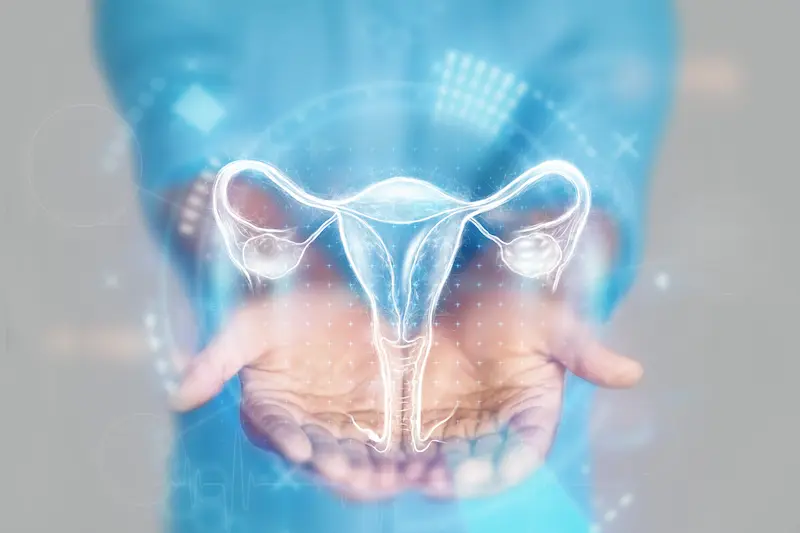
In Vitro Fertilization (IVF)
IVF involves fertilizing eggs with sperm in a controlled laboratory environment and transferring the resulting embryos into the uterus.
- Ideal for couples facing tubal blockages, male infertility, or unexplained infertility.
- Provides the flexibility of fresh or frozen embryo transfer options.
Importance of Intracytoplasmic Sperm Injection (ICSI)
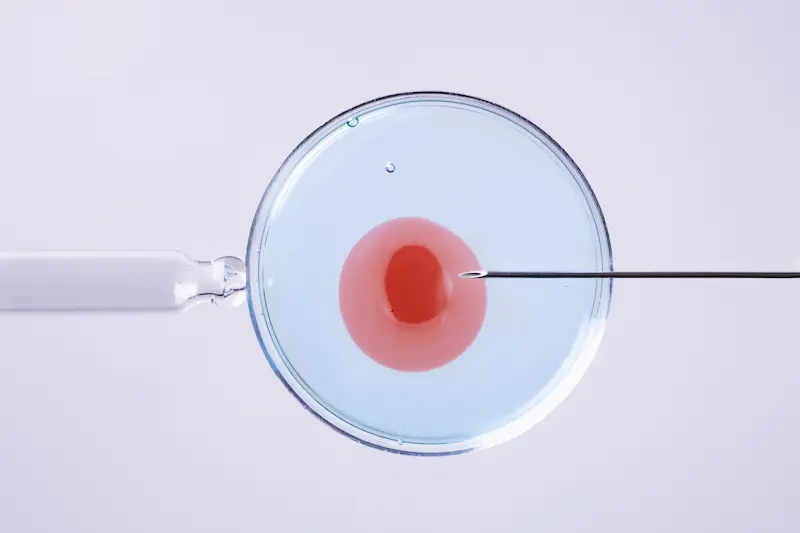
ICSI is a specialized IVF technique where a single sperm is directly injected into an egg, ensuring fertilization even in cases of severe male infertility.
- Effective for low sperm count or motility issues.
- Offers success in cases where conventional IVF has failed.
Common Causes of Infertility
Infertility stems from a variety of medical, hormonal, and structural issues in both men and women.
Hormonal Imbalances
- Thyroid Disorders: Hypothyroidism or hyperthyroidism can interfere with ovulation or sperm production.
- Prolactin Issues: Elevated levels of prolactin, a hormone involved in milk production, can disrupt ovulation in women.
Structural Causes in Females
Uterine Issues:
Fibroids or polyps that can interfere with implantation.
Congenital abnormalities affecting the shape of the uterus.
Fallopian Tube Blockages: Often caused by infections, endometriosis, or pelvic inflammatory disease, blocking the passage of eggs.
Male Infertility Causes
- Low Sperm Count: A common issue where the sperm concentration is below normal.
- Motility Problems: Poor sperm movement makes it difficult for sperm to reach and fertilize the egg.
These factors highlight the need for precise diagnosis to determine tailored treatments for infertility.
What Causes Infertility?
Infertility can result from a variety of medical and lifestyle-related factors that affect the reproductive system in both men and women. Common causes of infertility in women include ovulation disorders, blocked fallopian tubes, endometriosis, and hormonal imbalances, while male infertility is often linked to low sperm count, poor motility, or structural issues. Age, stress, obesity, and certain infections can also negatively impact fertility. As awareness of infertility treatment in Turkey increases, more couples are seeking expert evaluations to identify these underlying issues early. Modern clinics offering infertility treatment Turkey provide personalized care, advanced diagnostics, and effective solutions such as IVF, ICSI, and hormonal therapies. With a patient-centered approach and high success rates, Turkey has become a trusted destination for those facing fertility challenges, helping couples understand the root causes and pursue the most appropriate treatment options.
What are 4 Causes of Male Infertility?
Male infertility can be caused by various health conditions and lifestyle factors that affect sperm production or function. Four common causes of male infertility include low sperm count, poor sperm motility, hormonal imbalances, and structural issues like varicocele. These factors can significantly reduce the chances of natural conception, often requiring medical evaluation and intervention. In many cases, early diagnosis and the right treatment can restore fertility. As infertility treatment in Turkey becomes increasingly addressed with advanced medical technology, more men are seeking professional help in reputable clinics across the country. Leading centers for infertility treatment Turkey offer comprehensive testing, hormonal therapies, and assisted reproductive techniques such as ICSI to overcome male infertility. With expert care and high success rates, Turkey provides effective and affordable options for men facing fertility challenges.
Signs of Infertility in Women
Signs of infertility in women can vary, but the most common include irregular menstrual cycles, painful periods, absence of menstruation, and difficulty tracking ovulation. Other signs may include unexplained weight gain, hormonal imbalances, or underlying conditions such as polycystic ovary syndrome (PCOS) and endometriosis—both major infertility causes. Early recognition of these symptoms is essential for timely diagnosis and treatment. With rising demand for effective solutions, infertility treatment in Turkey is being addressed by advanced clinics offering personalized care and cutting-edge technology. Women experiencing any of these signs can benefit from expert evaluation and customized infertility treatment Turkey programs, including hormonal therapies, ovulation induction, and assisted reproductive techniques like IVF. Turkey’s fertility clinics are known for combining high success rates with affordability, attracting international patients seeking both quality and compassionate care.
Lifestyle and Environmental Impacts on Fertility
Beyond medical and hormonal causes, lifestyle factors and environmental exposures significantly affect fertility in both men and women.
Impact of Diet and Exercise
Dietary Choices:
A diet rich in processed foods and low in essential nutrients can negatively impact egg and sperm quality.
Foods high in antioxidants, such as fruits and vegetables, support reproductive health.
Exercise:
Moderate physical activity enhances fertility by improving hormonal balance.
Excessive exercise, however, can disrupt ovulation or lower sperm count.
Stress and Mental Health
- Chronic stress affects hormone levels like cortisol and can interfere with ovulation or sperm production.
- Stress management techniques, including mindfulness, yoga, and counseling, can improve fertility outcomes.
Environmental Toxins
Chemical Exposure:
Pesticides, heavy metals, and industrial chemicals can damage reproductive cells.
Reducing exposure to these toxins can improve fertility.
Smoking and Alcohol:
Smoking damages egg and sperm DNA, reducing conception chances.
Excessive alcohol consumption affects hormonal regulation in both genders
Advanced Infertility Treatments
🌟 1. In Vitro Fertilization (IVF)
• Fertilization takes place outside the body in a lab.
• Eggs are retrieved from the ovaries, fertilized with sperm, and then transferred to the uterus.
• IVF is often combined with other advanced techniques.
🌟 2. Intracytoplasmic Sperm Injection (ICSI)
• A single sperm is injected directly into an egg.
• Used in cases of severe male infertility, low sperm count, or abnormal sperm shape/motility.
• Usually performed as part of IVF.
🌟 3. Preimplantation Genetic Testing (PGT)
• Embryos created through IVF are screened for genetic or chromosomal abnormalities before transfer.
• Types:
• PGT-A: For aneuploidy (abnormal number of chromosomes)
• PGT-M: For monogenic (single-gene) disorders
• PGT-SR: For structural rearrangements
Helps increase success rates and reduce miscarriage risk.
🌟 4. Assisted Hatching
• A small hole is made in the embryo’s outer shell (zona pellucida) to help it implant more easily.
• Often used in patients over 35, with failed IVF attempts, or with frozen embryos.
🌟 5. Embryo Freezing (Cryopreservation)
• High-quality embryos can be frozen for future use.
• Allows multiple IVF attempts from a single egg retrieval.
• Useful for fertility preservation (e.g., before cancer treatment).
🌟 6. Egg & Sperm Donation
• Used when the patient’s own eggs or sperm are not viable.
• Common in cases of premature ovarian failure, low egg reserve, or azoospermia.
🌟 7. Gestational Surrogacy
• An embryo is implanted into a surrogate, who carries the pregnancy.
• Useful for women who cannot carry a pregnancy due to medical conditions.
🌟 8. Fertility Preservation (Social or Medical Egg Freezing)
• Eggs or sperm are frozen for later use.
• Common among:
• People delaying parenthood
• Cancer patients
• Those undergoing treatments that may affect fertility
🌟 9. Testicular Sperm Extraction (TESE) / Micro-TESE
• Surgical sperm retrieval for men with no sperm in ejaculate (azoospermia).
• Often paired with ICSI.
🌟 10. Stem Cell Therapy & Regenerative Approaches (Experimental)
• Still in research phase, but aims to regenerate reproductive tissues or produce gametes.
IVF Cost in Turkey
Turkey’s reputation for high-quality yet affordable infertility treatments makes it a popular choice for international patients.
| Country | Cost of IVF (USD) |
| Turkey | $3,500 – $5,000 |
| USA | $12,000 – $15,000 |
| UK | $8,000 – $10,000 |
Reviewing Treatment Options and Success Rates
Understanding the effectiveness of various infertility treatments is crucial for setting realistic expectations and planning the path to parenthood.
Reviews from Previous Patients
Many patients who sought infertility treatments in Turkey report positive outcomes, highlighting:
- Personalized Care: Clinics provide tailored plans based on specific causes of infertility.
- Comprehensive Support: Multilingual staff and specialists offer guidance throughout the journey.
- Impressive Results: High success rates in procedures like IVF and ICSI, even for complex cases.
Before and After Success Stories
Real-life success stories include couples who overcame years of infertility:
- A couple from the UK who achieved pregnancy on their second IVF attempt in Istanbul.
- A male patient with low sperm count reporting a successful ICSI procedure, resulting in twins.

Gender-Specific Infertility Challenges
Infertility impacts men and women differently, often requiring gender-specific solutions for effective treatment.
Treatments for Female Infertility
Hormonal Therapies: Address issues like polycystic ovary syndrome (PCOS) or irregular ovulation.
Surgical Solutions: Procedures such as hysteroscopy or laparoscopy can correct uterine abnormalities or remove blockages.
Egg Freezing: Preserves fertility for women delaying parenthood
Options for Male Infertility
- ICSI: A top solution for low sperm count or motility.
- Surgical Sperm Retrieval: Used for men with no sperm in their ejaculate due to blockages or genetic conditions.
- Hormonal Treatments: Addresses imbalances affecting sperm production.
Combined Male and Female Factors
- Some couples experience a mix of infertility causes, requiring a holistic approach combining treatments like IVF and lifestyle changes.
Expert Opinions on Infertility Causes and Treatments
Interviews with Leading Specialists
Turkish fertility experts emphasize the importance of:
- Early diagnosis to address underlying causes of infertility.
- Tailored treatments like ICSI for male-related issues or IVF for tubal blockages.
Latest Research Findings
- Advances in genetic testing for embryos (PGT) improve success rates by ensuring only healthy embryos are transferred.
- New techniques in assisted hatching enhance implantation rates for older patients.
Infertility Treatment in Turkey Frequently Asked Questions:
Can birth control cause infertility?
No, birth control does not cause infertility. Fertility typically returns shortly after stopping most birth control methods, although it may take a few months for normal cycles to resume.
Can chlamydia cause infertility?
Yes, if left untreated, chlamydia can cause infertility by leading to pelvic inflammatory disease (PID), which can damage the fallopian tubes and reproductive organs.
What is secondary infertility?
Secondary infertility is the inability to conceive or carry a pregnancy to term after previously having one or more successful pregnancies without fertility treatments.
Can PCOS cause infertility?
Yes, Polycystic Ovary Syndrome (PCOS) can cause infertility by disrupting ovulation, making it harder to conceive naturally.
Can endometriosis cause infertility?
Yes, endometriosis can cause infertility by affecting the function of the ovaries, fallopian tubes, and uterus, making it more difficult for an egg to be fertilized or implanted.
Can fibroids cause infertility?
Yes, uterine fibroids can cause infertility by interfering with implantation, blocking the fallopian tubes, or altering the shape of the uterus.
How affordable is infertility treatment in Turkey compared to other countries?
Infertility treatment in Turkey is generally more affordable than in Europe or the U.S., with high-quality care, modern facilities, and expert doctors offering excellent value for international patients.
Are there age limits for infertility treatments in Turkey?
Yes, most clinics offering infertility treatment in Turkey follow medical guidelines, recommending treatments like IVF typically up to age 45, depending on individual health conditions.
Can Turkish fertility clinics treat unexplained infertility?
Absolutely. Clinics specializing in infertility treatment in Turkey provide thorough diagnostic evaluations to identify subtle or complex causes and offer customized treatment plans for unexplained infertility.
Do clinics in Turkey offer natural or holistic infertility treatments?
Yes, some infertility treatment in Turkey centers incorporate holistic approaches like nutrition, acupuncture, and stress management alongside medical treatments to improve outcomes.
Is travel and accommodation assistance available for infertility patients in Turkey?
Many infertility treatment in Turkey clinics provide support services including travel planning, airport transfers, and hotel arrangements for international patients seeking treatment.
What is the success rate of IVF in Infertility treatment Turkey clinics?
Infertility treatment Turkey clinics report competitive IVF success rates, often ranging between 50–70%, depending on patient age and the chosen treatment method.
Is male infertility treated at Infertility Turkey clinics?
Yes, infertility treatment Turkey centers specialize in male infertility, offering treatments like sperm analysis, TESE, and ICSI to address low sperm count or motility.
Can patients combine vacation with infertility treatment in Turkey?
Yes, many patients choose to combine their medical journey with tourism, as infertility treatment Turkey clinics are located in popular destinations like Istanbul.