
Assisted Hatching in Turkey, a specialized fertility procedure, enhances the implantation potential of embryos by thinning or opening the zona pellucida encasing each embryo. This method is often utilized in IVF treatments where embryos, once fertilized, may struggle to hatch due to a hard or thick zona pellucida (embryo’s outer shell). The procedure, available in leading clinics across Turkey, addresses infertility challenges, improving the success rates of embryo implantation, particularly valuable for patients over 35, those with previous failed IVF outcomes, or specific embryo quality concerns.
Table of Contents
Overview of Techniques
Assisted hatching in Turkey is increasingly recognized as a pivotal advancement in fertility treatments, particularly benefiting couples facing challenges in embryo implantation. This innovative technique, frequently applied during assisted hatching IVF procedures, involves creating a small opening in the embryo’s protective shell, enhancing its ability to implant successfully in the uterine lining. Clinics across Turkey, renowned for advanced fertility technologies and experienced specialists, provide assisted hatching IVF and assisted hatching FET (Frozen Embryo Transfer) options, significantly improving pregnancy outcomes. International patients seeking cost-effective yet high-quality fertility care frequently prefer Turkey, where modern clinics employ laser-assisted techniques and state-of-the-art embryological equipment, boosting overall success rates.
In recent years, assisted hatching IVF and assisted hatching FET have become integral components of fertility treatments available in Turkey, drawing global attention due to their impressive results and affordability. Assisted hatching in Turkey addresses issues commonly faced during embryo implantation, including thicker zona pellucida, advancing maternal age, and previous IVF failures. Skilled embryologists in Turkish clinics precisely perform assisted hatching FET procedures, significantly raising pregnancy rates by enhancing embryo receptivity. Patients opting for assisted hatching in Turkey benefit from advanced fertility protocols, personalized treatment plans, and meticulous laboratory standards, making Turkey an attractive destination for couples worldwide seeking optimized fertility solutions and high success rates.
The assisted hatching process uses precise techniques to alter the zona pellucida, ensuring the embryo can hatch and implant successfully:
- Laser-Assisted Hatching: The most common method, using a focused laser beam to create an opening in the embryo’s outer layer.
- Chemical Hatching: Involves applying a special solution to thin or dissolve part of the zona pellucida.
- Mechanical Hatching: A manual technique where a small opening is made using micromanipulation tools.
Assisted Hatching Importance in IVF
Assisted hatching is a critical enhancement in IVF treatment in Turkey, especially for:
- Older Women: Women over 35 often experience harder zona pellucida due to egg quality decline.
- Frozen Embryos: The freezing process can sometimes alter the zona’s elasticity.
- Repeated IVF Failures: Improves implantation chances for patients with multiple unsuccessful IVF cycles.
What Is Assisted Hatching IVF
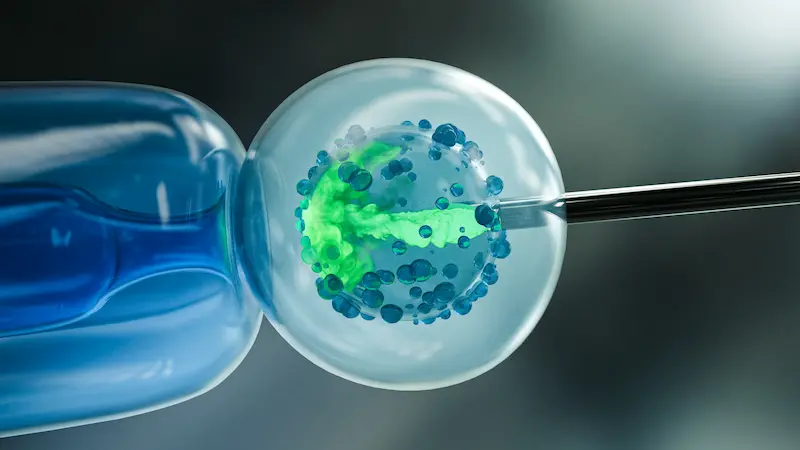
Assisted hatching IVF in Turkey is an advanced fertility technique designed to improve embryo implantation rates by facilitating the embryo’s emergence from its protective shell, known as the zona pellucida. During assisted embryo hatching, embryologists create a precise, small opening in this outer layer, significantly aiding the embryo in attaching successfully to the uterine lining. Assisted hatching IVF is particularly recommended in cases involving previous unsuccessful IVF attempts, thicker-than-normal embryo shells, or when utilizing frozen embryos, known as assisted hatching FET. Fertility clinics in Turkey excel in employing cutting-edge laser technologies and precision microtools for assisted embryo hatching, attracting numerous international patients seeking effective IVF solutions.
Patients opting for assisted hatching IVF in Turkey benefit from high-quality treatment options at internationally accredited fertility centers. Assisted embryo hatching is performed meticulously by expert embryologists, increasing the likelihood of successful pregnancy, especially for couples facing implantation difficulties or advanced maternal age concerns. Assisted hatching FET is also frequently used alongside cryopreserved embryos, offering enhanced implantation chances after thawing. Assisted hatching IVF in Turkey not only ensures affordability but combines exceptional clinical standards with state-of-the-art laboratory environments. Consequently, Turkey is increasingly recognized as an ideal destination for patients worldwide seeking reliable, successful, and accessible assisted embryo hatching treatments.
Benefits and Mechanisms of Assisted Hatching
How it Enhances IVF Outcomes
Assisted hatching directly addresses challenges that may prevent embryos from implanting, offering several key benefits:
- Improved Implantation Rates:
By creating an opening in the zona pellucida, the embryo can hatch and attach to the uterine lining more effectively.
Especially beneficial for patients with poor embryo quality or advanced maternal age. - Higher Success Rates in IVF:
Studies show that assisted hatching can increase implantation and live birth rates, particularly for patients who have experienced prior IVF failures.
Frozen embryos, which may develop a harder outer shell, also show improved outcomes with assisted hatching. - Enhanced Outcomes for Specific Groups:
Women aged 35 and older.
Couples with multiple unsuccessful IVF cycles.
Embryos with thick zona pellucida detected during embryology assessments.
Potential Risks and Considerations
While assisted hatching offers significant advantages, it’s important to be aware of potential risks:
- Embryo Damage:
Though rare, improper handling can damage the embryo during the process.
Skilled embryologists in Turkey IVF clinics minimize this risk with advanced techniques. - Multiple Pregnancies:
If multiple embryos are transferred, there is a higher chance of twins or triplets, which can pose health risks. - Infection Risk:
Minimal but possible; clinics with strict hygiene protocols ensure patient safety.
Patients are advised to consult with fertility specialists to determine whether assisted hatching is a suitable option for their unique circumstances.
Assisted Hatching Cost
Turkey offers affordable assisted hatching procedures, making it a preferred destination for international patients.
Price Comparison: Globally vs. Turkey
| Country | Cost of Assisted Hatching (USD) |
| Turkey | $200 – $500 (as an add-on to IVF) |
| USA | $800 – $1,500 |
| UK | $700 – $1,200 |
The competitive pricing in Turkey includes high standards of care, modern technology, and experienced embryologists.

Affordable Options in Turkey
Many IVF clinics in Turkey offer all-inclusive packages that combine IVF, embryo transfer, and assisted hatching, making treatments budget-friendly.
Patients can also benefit from bundled services, including accommodations, transportation, and follow-up consultations.
Assisted Hatching IVF in Turkey
Turkey has become a global hub for IVF treatments, including specialized techniques like assisted hatching. The country’s fertility clinics are equipped with state-of-the-art technology and staffed by leading embryologists, making it a top destination for international patients.
Why Choose Turkey for Assisted Hatching IVF?
- World-Class Expertise:
Highly trained specialists in IVF embryology and cutting-edge assisted reproductive technology.
Clinics adhere to international medical standards, ensuring safety and high success rates. - Affordability:
Assisted hatching in Turkey is significantly more affordable than in Western countries, without compromising quality. - Comprehensive Care:
Clinics provide all-inclusive packages, covering everything from consultations to post-treatment follow-ups.
Assisted Hatching IVF Clinics in Istanbul
Istanbul is home to some of the most prestigious fertility clinics in Turkey, offering:
- Advanced procedures like laser-assisted hatching and embryo freezing.
- Multilingual staff for seamless communication with international patients.
- Proximity to airports and luxury accommodations for convenience.
Clinical Success and Reviews
Assisted Hatching Before and After Results
Patients who opt for assisted hatching in Turkey often report significant improvements in their IVF outcomes:
- Higher implantation rates, particularly for frozen embryos.
- Successful pregnancies after multiple failed IVF attempts elsewhere.
Patient Testimonials: Female and Male Experiences
- Female Patient:
“At 38, my previous IVF cycles in another country didn’t work. Assisted hatching at a clinic in Istanbul helped my embryos implant, and now I’m expecting my first baby!” - Male Patient:
“Our embryos struggled to hatch during our first IVF attempt. The clinic in Antalya suggested assisted hatching, and it worked! We’re finally parents.”
Case Studies: Recent Success Stories
A 42-year-old patient from the UK achieved pregnancy after five failed IVF cycles by using laser-assisted hatching in Turkey.
A couple from Germany experienced success with assisted hatching on their frozen embryos, resulting in twins.
Assisted Hatching Techniques and Innovations
Laser-Assisted Hatching
- The most precise and commonly used method, creating a small opening in the zona pellucida with a laser.
- Minimizes damage to the embryo and ensures consistent results.
Mechanical Hatching Methods
- Performed manually by skilled embryologists using micro-tools to weaken the zona pellucida.
- Suitable for specific cases where laser techniques may not be ideal.
Assisted Hatching in Turkey Frequently Asked Questions:
Is Assisted Hatching Better Than IVF Alone?
Yes, for certain cases. It improves implantation potential in patients with poor embryo quality, advanced maternal age, or previous IVF failures.
Who Should Consider Assisted Hatching?
Women over 35.
Patients with thick zona pellucida detected during embryology assessments.
Couples with multiple failed IVF attempts.
Does Assisted Hatching Affect Embryo Health?
When performed by skilled embryologists, assisted hatching is safe and does not harm the embryo. Techniques like laser-assisted hatching further reduce risks.
What Is Assisted Hatching IVF?
Assisted hatching in Turkey is an IVF procedure where a small opening is created in the embryo’s outer layer, enhancing implantation chances and pregnancy rates.
What is Assisted Hatching in IVF?
Assisted hatching in Turkey is an IVF technique that helps embryos implant successfully by gently thinning or opening their protective outer shell.
When is Assisted Hatching Done in IVF?
Assisted hatching in Turkey is typically done around day three or day five after fertilization, just before embryo transfer in IVF treatments.
Assisted Hatching IVF Success Rates
Assisted hatching in Turkey is an IVF technique where a small opening is made in the embryo’s outer shell to enhance implantation chances. This method is often used for patients with previous IVF failures, older maternal age, or when using frozen embryos. While assisted hatching can improve clinical pregnancy rates in specific cases, overall success varies based on individual factors.
Laser Assisted Hatching Success Rates
Studies have shown that LAH can significantly improve clinical pregnancy and live birth rates. For instance, one study reported higher clinical pregnancy rates (40.8% vs. 29.4%) and live birth rates (34.3% vs. 22.5%) in the LAH group compared to the control group . Another study found that LAH increased the live birth rate in frozen embryo transfer cycles (34.9% vs. 31.4%). In Turkey, many fertility clinics offer LAH as part of their IVF programs, combining advanced technology with experienced embryologists to provide effective treatment options for couples seeking to improve their chances of a successful pregnancy.
Assisted Hatching Risks
Risks associated with assisted hatching in Turkey are minimal but may include embryo damage, slightly increased risk of twins, and rarely, complications during pregnancy.
Does Assisted Hatching Increase Chances Of Twins?
Yes, assisted hatching in Turkey slightly increases the chance of twins due to improved embryo implantation rates, though overall risks remain low.