
Glaucoma is one of the leading causes of irreversible vision loss globally. Fortunately, Turkey has emerged as a premier destination for advanced glaucoma treatments, attracting international patients seeking world-class care at competitive prices. Glaucoma treatment in Turkey combines cutting-edge technology, highly qualified ophthalmologists, and comprehensive patient care, making it a preferred choice for those aiming for optimal visual health. In this guide, we will explore glaucoma in detail, from its symptoms and diagnosis to the specialized treatments available in Turkey, ensuring clarity, comfort, and confidence for patients considering this critical procedure.
Table of Contents
What Is Glaucoma?
Glaucoma is a complex eye condition characterized by damage to the optic nerve, typically resulting from elevated intraocular pressure (glaucoma eye pressure). If left untreated, glaucoma can lead to permanent vision loss or blindness. Understanding glaucoma and recognizing early signs of glaucoma is crucial for timely diagnosis and effective treatment.

Glaucoma Definition
Glaucoma refers to a group of eye diseases that progressively damage the optic nerve, a critical structure for transmitting visual information from the eyes to the brain. This nerve damage is often associated with elevated eyeball pressure glaucoma (intraocular pressure or IOP), but it can also occur at normal pressure levels in certain forms of glaucoma, known as normal-tension glaucoma. Vision loss due to glaucoma typically starts with peripheral vision impairment, gradually progressing inward if untreated.
Glaucoma is often called the “silent thief of sight” because significant optic nerve damage can occur before symptoms become noticeable. Regular eye exams, including specialized glaucoma tests, are essential to detect the disease early and prevent vision loss.
Signs of Glaucoma
Identifying the signs of glaucoma early is pivotal for preserving vision. However, the signs can vary based on the type of glaucoma and its progression:
- Gradual peripheral vision loss (usually in both eyes)
- Tunnel vision in advanced stages
- Blurred vision or halos around lights, especially at night
- Frequent changes in eyeglass prescriptions
- Mild headaches or eye discomfort, sometimes presenting as glaucoma eyebrow pain
- Eye redness
It’s important to note that symptoms may not manifest until significant optic nerve damage has occurred. Regular screenings are vital, particularly for individuals over 40, those with a family history of glaucoma, and people with underlying conditions like diabetes or hypertension.
Glaucoma Surgery
When medication and laser therapies aren’t sufficient to manage glaucoma effectively, surgery becomes a vital treatment option. Glaucoma treatment in Turkey includes state-of-the-art surgical interventions performed by some of the most experienced ophthalmologists globally, making it an excellent destination for patients seeking high-quality eye care.
Symptoms of Glaucoma
Recognizing the symptoms of glaucoma is critical for timely intervention. Symptoms differ depending on the type of glaucoma:
- Open-angle glaucoma typically progresses gradually and painlessly, with minimal initial symptoms.
- Angle-closure glaucoma (also known as acute angle closure glaucoma) presents more acutely, with symptoms including severe eye pain, headaches, nausea, vomiting, sudden blurred vision, and halos around lights.
Other potential symptoms across various types include:
- Persistent redness of the eyes
- Eye fatigue
- Frequent headaches
- Difficulty adjusting eyes in dark environments
Early detection through comprehensive eye exams is essential, especially since symptoms like visual impairment might not appear until substantial damage occurs.
Glaucoma Medication
For many patients diagnosed early, the primary approach to managing glaucoma involves medication, particularly glaucoma drops. These eye drops work by either reducing the production of aqueous humor (the fluid within the eye) or improving its outflow, thus effectively lowering eye glaucoma pressure.
Common medications include:
- Prostaglandin analogs (e.g., latanoprost, bimatoprost)
- Beta-blockers (e.g., timolol)
- Alpha-agonists (e.g., brimonidine)
- Carbonic anhydrase inhibitors (e.g., dorzolamide)
Adherence to medication regimens is critical, as consistent treatment can significantly delay or even prevent disease progression.

Acute Angle Closure Glaucoma
Acute angle closure glaucoma is a medical emergency, requiring immediate attention to prevent permanent vision loss. This type occurs when the drainage angle between the iris and cornea narrows suddenly, blocking fluid drainage and causing a rapid spike in intraocular pressure.
Symptoms include:
- Severe eye pain and headache
- Sudden blurred or lost vision
- Nausea or vomiting
- Colored halos around lights
Immediate medical intervention—often involving urgent laser or surgical treatment—is necessary to restore drainage and relieve pressure.
Glaucoma Eyes
The term glaucoma eyes refers to eyes affected by glaucoma, experiencing optic nerve damage, elevated intraocular pressure, and visual field impairment. Regular ophthalmic evaluations for these patients involve specific assessments such as:
- Tonometry (measuring intraocular pressure)
- Gonioscopy (assessing the drainage angle)
- Ophthalmoscopy (examining the optic nerve health)
- Visual field tests
Early and regular evaluations enable ophthalmologists to tailor treatments precisely, optimizing outcomes for patients.
Glaucoma Test
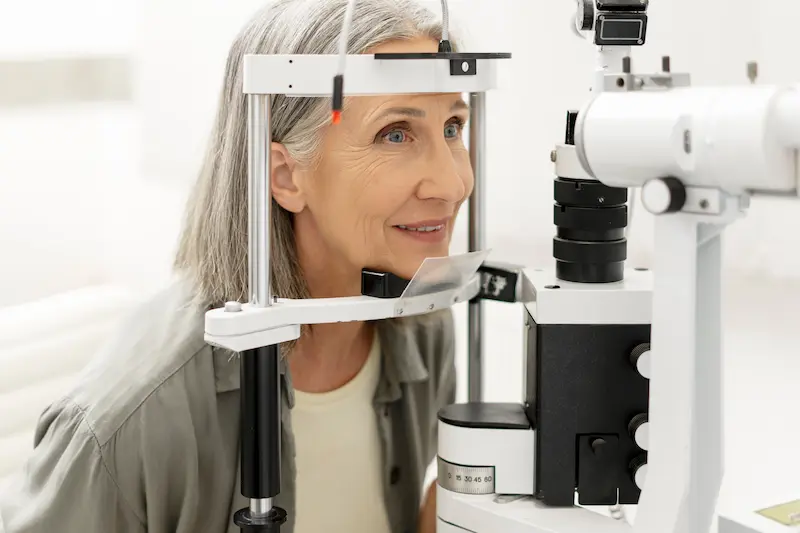
Regular glaucoma screenings, or glaucoma eye tests, are essential for early diagnosis and management. Common tests performed in Turkey’s leading eye clinics include:
- Tonometry: Measures eye pressure (IOP), crucial for identifying high-risk individuals.
- Visual Field Test (Perimetry): Detects peripheral vision loss associated with glaucoma.
- Optic Nerve Imaging (OCT): Offers detailed scans of the optic nerve to detect early nerve damage.
- Pachymetry: Measures corneal thickness, which affects eye pressure readings.
Early detection via these comprehensive glaucoma tests significantly enhances the success rate of glaucoma treatment in Turkey.
Glaucoma Causes
Understanding the underlying causes of glaucoma is crucial for effective prevention and management. Although elevated intraocular pressure is the primary risk factor, glaucoma’s exact causes vary depending on the specific type.
Key factors contributing to glaucoma include:
- Age: Individuals over 60 are significantly more likely to develop glaucoma.
- Genetic Factors: A family history of glaucoma markedly increases risk.
- Ethnicity: Certain ethnicities, including African and Asian descent, have a higher incidence of glaucoma.
- Underlying Health Conditions: Diabetes, hypertension, and heart diseases are linked with increased glaucoma risk.
- Eye Injury: Severe trauma or injury to the eye can lead to traumatic glaucoma.
- Long-term Corticosteroid Use: Extended steroid medication can trigger secondary glaucoma.
Effective management of glaucoma involves identifying and mitigating these risk factors through regular screenings and lifestyle modifications.
Cataract vs Glaucoma
Although both cataracts and glaucoma affect vision, they differ significantly in their nature, symptoms, and treatments. Clarifying the differences between cataracts vs glaucoma helps patients make informed treatment decisions.
- Cataracts: Involve clouding of the eye’s natural lens, causing blurry vision and color fading. Symptoms progress gradually and usually improve dramatically after surgical lens replacement.
- Glaucoma: Damages the optic nerve primarily due to elevated intraocular pressure, potentially causing irreversible blindness if untreated. Treatment primarily aims at controlling pressure and slowing disease progression.
The primary difference between glaucoma vs cataracts is reversibility. Cataracts can be fully treated surgically, while glaucoma treatments focus on preventing further vision loss, as existing optic nerve damage is irreversible.
Types of Glaucoma
Glaucoma comprises various forms, each with distinct symptoms, causes, and treatment strategies. Recognizing these types of glaucoma ensures precise diagnosis and targeted treatment.
Open-Angle Glaucoma
Open-angle glaucoma is the most common type, accounting for approximately 90% of cases. Characterized by gradual drainage angle obstruction, it typically progresses slowly and painlessly, often going unnoticed until significant vision loss occurs.
Symptoms:
- Gradual loss of peripheral vision
- Subtle visual field changes
- Usually no noticeable pain or acute discomfort
Treatment involves medications, laser therapy, or surgical interventions aimed at lowering intraocular pressure.
Angle-Closure Glaucoma (Closed-Angle Glaucoma)
Angle-closure glaucoma is less common but more severe due to sudden fluid blockage, causing rapid pressure buildup in the eye. It requires immediate medical attention.
Symptoms:
- Sudden severe eye pain and redness
- Headache and nausea
- Rapidly declining vision, halos around lights
Emergency laser therapy (iridotomy) is typically necessary to relieve pressure.
Normal-Tension Glaucoma
In normal-tension glaucoma, optic nerve damage occurs despite normal intraocular pressure levels. The exact cause is unclear, but impaired optic nerve blood flow might contribute significantly.
Symptoms:
- Gradual, painless peripheral vision loss
- Optic nerve abnormalities detected through imaging
Treatment usually includes medications and lifestyle changes to improve optic nerve blood supply.
Congenital Glaucoma
Congenital glaucoma manifests at birth or shortly afterward, resulting from improper development of the eye’s drainage system.
Symptoms in infants:
- Excessive tearing
- Cloudy corneas
- Increased sensitivity to light (photophobia)
Surgical intervention is often required early in life to prevent vision impairment.
Secondary Glaucoma
Secondary glaucoma develops due to other medical conditions or eye injuries. Common causes include diabetes, inflammation, steroid use, or eye surgery complications.
Treatment focuses on resolving the underlying issue while simultaneously managing intraocular pressure.
Traumatic Glaucoma
Resulting from eye injuries, traumatic glaucoma occurs due to scarring or damage to drainage channels. It can emerge immediately or years after trauma.
Symptoms:
- Persistent redness and discomfort
- Gradual vision deterioration
Treatment involves specialized medication and potentially surgical intervention to restore drainage.
Open Angle vs Closed Angle Glaucoma
Differentiating open-angle vs closed-angle glaucoma is essential because their management and prognosis differ significantly.
- Open-angle glaucoma: Chronic, gradual onset; symptoms are minimal until advanced stages; typically manageable with medications and regular monitoring.
- Closed-angle glaucoma: Acute, sudden onset; symptoms severe, requiring immediate medical intervention to prevent irreversible damage.
Timely identification of each type ensures appropriate emergency care or preventive management.
Glaucoma Treatment Techniques
Turkey offers comprehensive and advanced glaucoma treatments, tailored to individual patient needs. Major treatment options include medication, laser therapy, surgery, or combination therapies.
Medication (Eye Drops)
Eye drops (glaucoma medications) are usually the first line of treatment, effectively lowering intraocular pressure by improving fluid drainage or reducing fluid production.
Common glaucoma drops include:
- Prostaglandins (increase fluid drainage)
- Beta-blockers (reduce fluid production)
- Alpha-agonists (dual action—reduce fluid production and increase drainage)
Laser Therapy
Laser treatments, such as Selective Laser Trabeculoplasty (SLT) and Laser Peripheral Iridotomy (LPI), provide a minimally invasive approach to treat glaucoma effectively.
- SLT: Used for open-angle glaucoma, enhancing fluid drainage.
- LPI: Treats closed-angle glaucoma by creating an opening in the iris, alleviating pressure.
Surgical Procedures
When medication or laser treatments fail, surgical glaucoma treatments become necessary:
- Trabeculectomy: Creates drainage pathways to reduce intraocular pressure.
- Glaucoma drainage implants (eye stents for glaucoma): Implantation of tiny devices to improve fluid drainage.
- Minimally invasive glaucoma surgery (MIGS): Modern, less invasive techniques with rapid recovery.
Combination Therapy
For advanced glaucoma cases, combination therapy involving multiple approaches (medication, laser, and surgical intervention) can yield optimal pressure control, significantly reducing the risk of vision loss.
How to Prevent Glaucoma
Preventing glaucoma entirely might not be possible, especially given genetic and age-related factors. However, several proactive measures can significantly lower your risk and delay disease onset:
- Regular Eye Exams: Routine screenings are crucial, particularly after the age of 40, or earlier if there’s a family history of glaucoma.
- Maintain a Healthy Lifestyle: Regular exercise, a balanced diet rich in antioxidants, and maintaining optimal blood pressure and blood sugar levels can help reduce glaucoma risk.
- Avoid Smoking: Smoking increases glaucoma risk by restricting blood flow and elevating eye pressure.
- Limit Caffeine Intake: Excessive caffeine consumption can temporarily raise intraocular pressure, so moderate your intake.
- Eye Protection: Protecting your eyes from injuries reduces the risk of traumatic glaucoma.
- Know Your Family History: Inform your ophthalmologist if you have relatives with glaucoma to ensure appropriate surveillance.
These strategies, complemented by regular medical care, provide effective glaucoma prevention and early management.
Preparing for Glaucoma Treatment: Important Guidelines Before the Procedure
Careful preparation before undergoing glaucoma treatment in Turkey ensures optimal outcomes and smooth recovery. Here are critical steps patients should follow:
- Preoperative Consultation: Schedule detailed discussions with your surgeon to understand the recommended treatment, risks, and expected outcomes.
- Medical History Review: Provide comprehensive information on your health history, current medications (glaucoma medications included), allergies, and previous eye treatments.
- Pre-Surgical Tests: Essential tests, such as blood work and specific glaucoma eye tests, are necessary to assess overall suitability for surgery.
- Medication Adjustments: Follow your doctor’s guidance on stopping or adjusting certain medications (especially anticoagulants) before surgery.
- Lifestyle Modifications: Maintain hydration, avoid alcohol, and get adequate rest prior to treatment.
- Plan Your Recovery: Arrange for assistance after surgery, including transportation and support for post-surgical care and activities.
Proper preparation significantly enhances comfort and surgical success, contributing to favorable long-term vision outcomes.
Glaucoma Treatment Step by Step
Understanding the typical journey for patients undergoing glaucoma treatment in Turkey alleviates anxiety and ensures clarity:
Step 1: Initial Consultation
- Comprehensive ophthalmic examination
- Evaluation of eye pressure (glaucoma eye pressure) and optic nerve health
- Determination of glaucoma type and severity
Step 2: Treatment Planning
- Detailed discussion of treatment options (medication, laser, surgery, or combination)
- Scheduling additional diagnostic tests if required
Step 3: Procedure Day
- Patient preparation (local anesthesia, sedation if needed)
- Procedure execution (medication administration, laser application, or surgical intervention)
Step 4: Immediate Post-Procedure Care
- Close monitoring of intraocular pressure and visual acuity
- Administration of medications to prevent infection and inflammation
Step 5: Recovery and Follow-Up
- Detailed instructions for aftercare at home
- Regular follow-up visits to monitor recovery and adjust treatment as necessary
Following this structured approach ensures optimal recovery and enhances treatment success rates.
What Are the Potential Risks and Complications of Glaucoma Treatment?
Though glaucoma treatment in Turkey is highly advanced and performed under stringent safety protocols, like all medical interventions, it carries some potential risks and complications. Awareness of these can help patients set realistic expectations and proactively manage their recovery.
Potential risks include:
- Infection: Postoperative infection is rare but can occur, necessitating prompt medical attention and antibiotic treatment.
- Bleeding: Minor intraocular bleeding can occur during or shortly after surgery, though it typically resolves spontaneously.
- Inflammation: Mild to moderate inflammation of the eye tissues can occur, typically managed effectively with anti-inflammatory medications.
- Temporary Vision Changes: Some patients experience blurred vision or visual disturbances immediately after surgery, usually resolving over time.
- Pressure Fluctuations: Occasionally, eye pressure (glaucoma eye pressure) might remain unstable post-treatment, necessitating further intervention.
- Cataract Development: Surgical glaucoma treatments occasionally accelerate cataract formation.
- Treatment Failure: Rarely, initial treatments may not sufficiently control glaucoma, requiring further medical or surgical interventions.
Adherence to postoperative care guidelines and regular follow-ups significantly minimize these risks, ensuring safe and effective treatment outcomes.
Ideal Candidates for Glaucoma Treatment in Turkey
Ideal candidates for glaucoma treatment in Turkey typically include individuals diagnosed with glaucoma or experiencing consistent intraocular pressure elevations that medications alone cannot adequately control. Key criteria defining suitable candidates are:
- Patients with open-angle glaucoma unresponsive to conventional therapies such as eye drops or laser treatments.
- Those with acute or chronic angle-closure glaucoma requiring immediate pressure reduction interventions.
- Individuals experiencing progressive vision loss despite optimized medical management.
- Patients seeking minimally invasive procedures (e.g., eye stents for glaucoma) to improve quality of life and reduce dependence on glaucoma medications.
- International patients looking for high-quality, cost-effective treatment solutions by globally recognized specialists.
An extensive pre-treatment evaluation ensures candidacy, offering tailored care aligned with each patient’s specific glaucoma type, health status, and lifestyle needs.
Benefits of Glaucoma Treatment in Turkey
Turkey has rapidly become a leading destination for glaucoma treatments, attracting international patients for its combination of medical excellence, affordability, and outstanding patient care. The primary benefits of choosing glaucoma treatment in Turkey include:
- Experienced Specialists: Renowned ophthalmologists with international training and extensive expertise in glaucoma treatments.
- Advanced Medical Technology: Access to cutting-edge diagnostic tools, minimally invasive glaucoma procedures, and state-of-the-art surgical facilities.
- Cost-Effective Solutions: Significantly lower treatment costs compared to Western Europe, the UK, and the USA, without compromising quality or safety.
- Comprehensive Care: Integrated services from initial diagnosis through postoperative care, ensuring personalized attention and holistic treatment.
- High Success Rates: Proven clinical outcomes reflecting the skill and experience of Turkish ophthalmologists in managing complex glaucoma cases.
- Medical Tourism Opportunities: Combining glaucoma treatment with the opportunity to explore Turkey’s rich cultural heritage, renowned hospitality, and picturesque landscapes, enhancing the overall patient experience.
These advantages position Turkey as a premier choice for patients globally seeking optimal glaucoma care.
Recovery and Aftercare After Glaucoma Treatment in Turkey
Postoperative care is crucial for ensuring successful outcomes following glaucoma treatment in Turkey. Adhering to recommended aftercare guidelines supports faster recovery, reduces complications, and maximizes treatment effectiveness.
Typical recovery guidelines include:
• Immediate Postoperative Period: Patients usually rest briefly after the procedure, with monitoring for intraocular pressure stability and immediate complications.
• Medications: Administration of prescribed antibiotics and anti-inflammatory eye drops to prevent infection and manage postoperative inflammation.
• Activity Restrictions: Patients are advised to avoid strenuous activities, heavy lifting, swimming, and bending for a few weeks after surgery to prevent pressure fluctuations.
• Protecting the Eye: Wearing protective eyewear, particularly outdoors, reduces infection risks and environmental irritations.
• Regular Follow-Up Visits: Scheduled postoperative evaluations monitor healing, eye pressure, and visual improvements, adjusting medication or treatment if necessary.
Recovery durations vary based on treatment methods but typically range from a few days to several weeks. Careful adherence to instructions ensures optimal outcomes and sustained vision preservation.
Glaucoma Surgery in Turkey
Glaucoma surgery in Turkey is renowned for its exceptional standards, integrating advanced techniques with world-class facilities. Patients worldwide opt for Turkey’s comprehensive glaucoma care due to the availability of internationally acclaimed clinics and surgeons specializing in diverse, innovative glaucoma interventions.

Best Glaucoma Clinic in Turkey
Choosing the best glaucoma clinic in Turkey is essential for receiving optimal care. Turkey hosts numerous accredited ophthalmology centers specializing in glaucoma treatment, especially in Istanbul.
Key features of Turkey’s leading glaucoma clinics include:
- Advanced Diagnostics: Cutting-edge technology, including OCT imaging, advanced tonometry, and visual field analysis tools.
- Multidisciplinary Approach: Collaboration among ophthalmologists, optometrists, and nursing staff to ensure comprehensive care.
- International Patient Services: Multilingual staff, dedicated patient coordinators, and all-inclusive medical tourism packages to facilitate seamless experiences.
- Accreditation and Recognition: Clinics typically hold international accreditations like JCI (Joint Commission International), reflecting stringent quality and patient safety standards.
Patients considering glaucoma treatment in Istanbul specifically will find world-class care at globally recognized facilities that attract international patients regularly.
Best Glaucoma Doctor in Turkey
The expertise of your glaucoma specialist profoundly influences treatment outcomes. The best glaucoma doctor in Turkey combines outstanding medical qualifications, years of specialized experience, and exceptional patient-focused care.
When selecting your glaucoma doctor, consider factors such as:
- Clinical Expertise: Extensive practical experience managing various types of glaucoma, including complex surgical interventions.
- Academic Credentials: Advanced qualifications and memberships in prestigious ophthalmological societies (e.g., European Glaucoma Society, American Academy of Ophthalmology).
- Patient Satisfaction: Excellent patient reviews highlighting effective communication, compassionate care, and successful outcomes.
- Multilingual Communication: Fluency in multiple languages (English, Arabic, Russian) to ease patient-doctor interactions for international visitors.
Turkey’s best glaucoma specialists regularly participate in global conferences, research activities, and continuous education, ensuring their patients receive contemporary, evidence-based treatments.
All-inclusive Glaucoma Treatment Packages in Turkey
One of the appealing aspects of glaucoma treatment in Turkey is the availability of comprehensive, all-inclusive treatment packages. These tailored packages simplify the medical tourism process, making it convenient, cost-effective, and stress-free.
Typical features of these glaucoma treatment packages include:
• Consultation and Diagnostic Assessments: Comprehensive eye examinations, advanced imaging, and glaucoma-specific diagnostics.
• Surgical Procedures: All-inclusive fees covering surgeon charges, anesthesia, operating room use, and surgical materials.
• Postoperative Care: Follow-up visits, medications, and postoperative evaluations.
• Accommodation and Transfers: Comfortable hotel stays, airport pickups, clinic transfers, and transportation arrangements.
• Patient Coordination Services: Dedicated multilingual patient coordinators assisting from initial consultation through post-treatment recovery.
• Tourism Opportunities: Optional leisure activities, city tours, or cultural excursions to enrich the medical travel experience.
These packages offer exceptional value, transparent pricing, and unparalleled convenience, positioning Turkey as a leading international medical tourism destination for glaucoma care.
Glaucoma Treatment Cost in Turkey
One of the primary reasons patients choose glaucoma treatment in Turkey is the substantial cost savings compared to countries in Europe, the United Kingdom, and the United States. Despite significantly lower costs, the quality of care in Turkey remains consistently high.
Average glaucoma treatment costs in Turkey are approximately:
- Medication (Eye Drops): $20–$50 per month
- Laser Therapy: $600–$900 per session
- Minimally Invasive Glaucoma Surgery (MIGS): $2,000–$3,500
- Trabeculectomy: $2,500–$4,000
- Glaucoma Drainage Implants (Eye Stents): $3,000–$5,000
In comparison, similar treatments in the United States or Western Europe can cost two to four times more. Thus, Turkey presents an attractive, high-quality, and budget-friendly option.

Is It Safe to Undergo Glaucoma Treatment in Turkey?
Safety is paramount when considering medical treatments abroad. Fortunately, glaucoma treatment in Turkey is exceedingly safe, thanks to stringent regulatory standards and internationally accredited healthcare providers.
Factors ensuring patient safety include:
- Internationally Accredited Clinics: Facilities accredited by global bodies such as JCI, ensuring compliance with rigorous international healthcare standards.
- Highly Trained Specialists: Turkish ophthalmologists typically undergo rigorous training and continuous professional development, maintaining exceptional treatment standards.
- Advanced Technology: State-of-the-art diagnostic and surgical equipment reduces risks and enhances precision.
- Strict Infection Control Protocols: Rigorous hygiene and sterilization practices minimize infection risks significantly.
With an impeccable track record of successful international patient outcomes, Turkey has become a trusted choice for safe and reliable glaucoma care.
Why Choose Turkey For Glaucoma Treatment?
Turkey’s reputation for excellence in healthcare, especially ophthalmology, has significantly increased its appeal as a global medical tourism destination. Here are compelling reasons to choose Turkey for glaucoma treatment:
- World-Class Expertise: Renowned ophthalmologists specializing in advanced glaucoma care.
- Advanced Treatment Options: Comprehensive range of treatments from medication and laser therapy to cutting-edge surgical interventions.
- Cost-Effective Care: Significant savings compared to treatments in the U.S., UK, and Western Europe, without compromising quality.
- International Patient Services: Tailored patient care, multilingual staff, and all-inclusive treatment packages enhancing comfort and convenience.
- Touristic and Cultural Appeal: Patients can enjoy Turkey’s rich history, vibrant culture, beautiful landscapes, and renowned hospitality alongside their medical care.
Choosing Turkey for glaucoma treatment ensures quality medical care, affordability, and a highly rewarding overall patient experience.
Glaucoma Treatment in Turkey Frequently Asked Questions:
What causes glaucoma?
Glaucoma typically results from increased pressure inside the eye, damaging the optic nerve. Age, genetics, and certain medical conditions increase risk. Early diagnosis and Glaucoma Treatment in Turkey help manage this effectively.
Can glaucoma be cured?
Glaucoma cannot be fully cured, but vision loss can be prevented with timely Glaucoma Treatment in Turkey, including medications, lasers, or surgery.
How to treat glaucoma?
Effective Glaucoma Treatment in Turkey includes prescription eye drops, laser therapy, and surgical interventions tailored to the patient’s specific type and severity of glaucoma.
What does glaucoma look like?
Glaucoma usually has no visible external signs initially but progresses to peripheral vision loss. Professional screening through specialized Glaucoma Treatment in Turkey centers identifies and addresses it effectively.
How do you get glaucoma?
You can develop glaucoma due to genetic predisposition, aging, eye injury, or chronic conditions like diabetes. Prevent severe vision loss through early detection and comprehensive Glaucoma Treatment in Turkey.
Can glaucoma be reversed?
Glaucoma-related vision loss can’t be reversed; however, further damage can be prevented or significantly slowed through expert Glaucoma Treatment in Turkey.
What is usually the first sign of glaucoma?
The earliest sign is usually peripheral vision loss, often unnoticed initially. Regular eye exams at specialized centers providing Glaucoma Treatment in Turkey help detect this early.
Is glaucoma hereditary?
Yes, glaucoma can be hereditary, with family history significantly raising risk. Early screening and proactive Glaucoma Treatment in Turkey reduce long-term impacts.
Glaucoma meaning?
Glaucoma means a group of eye diseases damaging the optic nerve, typically due to high eye pressure. Prevent blindness effectively through advanced Glaucoma Treatment in Turkey.
How to prevent glaucoma?
Prevent glaucoma by having regular eye checkups, maintaining a healthy lifestyle, controlling chronic illnesses, and seeking early interventions like Glaucoma Treatment in Turkey.
Does glaucoma cause blindness?
Untreated glaucoma can cause blindness, but with early detection and advanced Glaucoma Treatment in Turkey, most patients retain good vision.