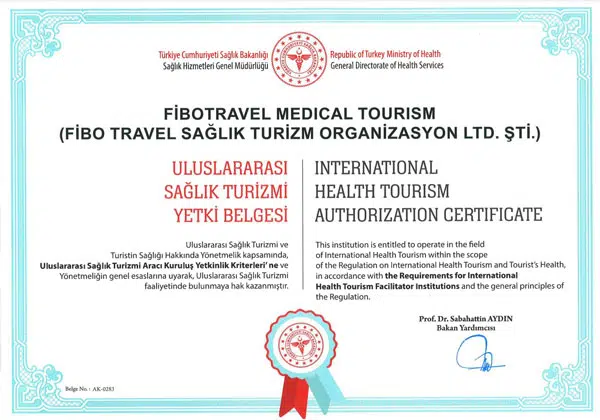

Cataract surgery in Turkey has become an increasingly popular choice for international patients seeking effective, affordable, and high-quality eye care solutions. Cataracts—clouding of the eye’s natural lens—are among the leading causes of impaired vision worldwide. Turkey’s renowned ophthalmology clinics offer advanced treatments using state-of-the-art technology and highly skilled cataract surgeons. Patients benefit from exceptional medical care, competitive pricing, and comprehensive all-inclusive packages designed to streamline their healthcare journey. With impressive cure rates and minimal recovery times, undergoing cataract surgery in Turkey ensures not only improved vision but also an enhanced quality of life, combining medical excellence with comfort and convenience.
Table of Contents
What are Cataracts?
Cataracts refer to a common eye condition characterized by clouding or opacity of the eye’s natural lens, affecting clarity and visual sharpness. The human lens, which is normally clear, becomes progressively opaque, causing vision impairment. Cataracts typically develop gradually and may initially be unnoticed, often presenting as slight blurriness or difficulty seeing clearly at night. If untreated, cataracts can significantly impact daily activities, affecting quality of life.
Cataracts can affect individuals of any age, but they predominantly occur among older adults due to natural aging processes. Several factors, such as genetics, lifestyle, and medical conditions, can influence their onset and progression. Early detection and timely treatment for cataract play a crucial role in restoring vision and preventing further deterioration.
Cataract Symptoms
Recognizing the symptoms of cataracts early can significantly improve treatment outcomes and quality of life. Initial cataract symptoms are subtle but gradually worsen over time. Common indicators include:
- Blurred vision or difficulty seeing fine details, especially at night.
- Increased sensitivity to glare and bright lights, often causing discomfort while driving or outdoors.
- Halos or rings appearing around lights.
- Frequent changes in eyeglass or contact lens prescriptions.
- Colors appearing faded or yellowish.
- Difficulty distinguishing contrasts.
- Double vision in one eye.
- A sense of film or cloudiness obstructing vision.
These signs of cataract should prompt immediate consultation with an ophthalmologist. Early intervention prevents significant vision loss and enhances surgical outcomes.

Cataract Surgery Recovery
Understanding cataract surgery recovery helps patients manage expectations and achieve optimal outcomes. Recovery from cataract surgery is typically quick and straightforward, with most patients experiencing noticeable improvement in vision within a few days post-procedure.
Initially, patients may experience mild discomfort, watery eyes, slight redness, or blurred vision. These symptoms usually resolve within 24 to 48 hours. Ophthalmologists typically prescribe antibiotic and anti-inflammatory cataract eye drops to prevent infection and minimize swelling.
Full recovery generally occurs within four to six weeks, although daily activities can usually resume within a few days. Cataract surgery recovery time varies slightly depending on individual health and the specific surgical technique used.
Proper aftercare, such as avoiding strenuous activities, following medication schedules, and attending regular follow-up appointments, significantly influences recovery speed and overall success. Rarely, patients might experience temporary blurry vision after cataract surgery, often resolving as the eye heals fully.
Cataract Surgery
Cataract surgery is one of the most frequently performed and successful eye treatments globally. The procedure involves the removal of the clouded natural lens and its replacement with an artificial intraocular lens (IOL). In Turkey, cataract surgery has advanced significantly, offering minimally invasive techniques that are highly effective and safe.
This outpatient eye operation cataract typically takes less than an hour, with minimal discomfort, rapid recovery, and a very high success rate. Patients undergoing cataract surgery in Turkey benefit from advanced medical facilities, skilled surgeons, and comprehensive care throughout their treatment journey.
Before performing the cataract procedure, ophthalmologists conduct a thorough eye examination to determine the most suitable surgical approach and type of artificial lens cataract implant. Personalized treatment plans ensure optimal visual outcomes, considering lifestyle preferences and vision goals.
Types of Cataract Surgery
Turkey offers several advanced cataract surgery treatments, enabling ophthalmologists to select the most appropriate technique based on patient-specific needs and cataract severity.
Phacoemulsification (Phaco)
Phacoemulsification (Phaco) is the most common and minimally invasive type of cataract surgery performed in Turkey. The procedure involves creating a tiny incision on the cornea, followed by the insertion of an ultrasonic probe. This probe emits high-frequency ultrasound waves, breaking down the cloudy lens (cataract removal) into smaller fragments, which are gently suctioned out.
After removing the clouded lens, a foldable artificial lens cataract is inserted through the same small incision. The incision typically heals naturally without stitches, reducing cataract surgery recovery time significantly. Patients typically experience rapid vision improvement within days, making Phaco the preferred method for most cataracts cases.
Extracapsular Cataract Extraction (ECCE)
Extracapsular Cataract Extraction (ECCE) is recommended when cataracts are too dense or advanced for Phacoemulsification. ECCE involves a slightly larger incision, allowing the cloudy lens to be removed intact rather than fragmented. After removal, an intraocular lens (IOL) is implanted into the remaining lens capsule.
ECCE may require stitches to close the incision, leading to a slightly longer recovery period compared to Phaco. However, ECCE remains highly effective, especially for severe cataract cases, ensuring excellent visual outcomes followingTypes of Cataract Surgery
Turkey offers several advanced cataract surgery treatments, enabling ophthalmologists to select the most appropriate technique based on patient-specific needs and cataract severity.
Phacoemulsification (Phaco)
Phacoemulsification (Phaco) is the most common and minimally invasive type of cataract surgery performed in Turkey. The procedure involves creating a tiny incision on the cornea, followed by the insertion of an ultrasonic probe. This probe emits high-frequency ultrasound waves, breaking down the cloudy lens (cataract removal) into smaller fragments, which are gently suctioned out.
After removing the clouded lens, a foldable artificial lens cataract is inserted through the same small incision. The incision typically heals naturally without stitches, reducing cataract surgery recovery time significantly. Patients typically experience rapid vision improvement within days, making Phaco the preferred method for most cataracts cases.
Extracapsular Cataract Extraction (ECCE)
Extracapsular Cataract Extraction (ECCE) is recommended when cataracts are too dense or advanced for Phacoemulsification. ECCE involves a slightly larger incision, allowing the cloudy lens to be removed intact rather than fragmented. After removal, an intraocular lens (IOL) is implanted into the remaining lens capsule.
ECCE may require stitches to close the incision, leading to a slightly longer recovery period compared to Phaco. However, ECCE remains highly effective, especially for severe cataract cases, ensuring excellent visual outcomes following recovery from cataract surgery.
Intracapsular Cataract Extraction (ICCE)
Intracapsular Cataract Extraction (ICCE) is a less common, more invasive technique generally reserved for complex or emergency cataract cases. ICCE involves removing the entire lens and lens capsule through a large incision. Due to advancements in other techniques, ICCE is rarely used today except in specific clinical scenarios.
Patients undergoing ICCE may experience extended recovery periods and require corrective cataract glasses post-surgery. However, with advancements in surgical precision in Turkey, even this traditional method yields successful visual rehabilitation in challenging circumstances.
Femtosecond Laser-Assisted Cataract Surgery (FLACS)
Femtosecond Laser-Assisted Cataract Surgery (FLACS) is a state-of-the-art procedure that combines laser technology with traditional Phacoemulsification, enhancing precision and reducing risks. FLACS utilizes femtosecond laser pulses to create highly accurate incisions, fragment the cataract, and facilitate lens removal, improving safety and efficiency.
FLACS offers shorter healing times, minimal complications, and precise outcomes, making it an attractive option for cataract surgery in Turkey. Patients benefit from rapid visual recovery and fewer postoperative issues, positioning FLACS as an ideal choice for those prioritizing advanced technology and enhanced surgical accuracy.
Manual Small Incision Cataract Surgery (MSICS)
Manual Small Incision Cataract Surgery (MSICS) is a cost-effective alternative to Phacoemulsification, widely employed for mature cataracts and in settings where affordability is prioritized. MSICS involves creating a slightly larger incision manually, followed by removing the cataract intact or in larger pieces. An artificial lens is subsequently implanted into the eye.
This technique ensures excellent visual outcomes despite a slightly longer recovery period compared to Phaco or FLACS. In Turkey, MSICS remains available for patients seeking affordable yet reliable cataract surgery solutions, providing comprehensive access to high-quality eye care.
How to Prevent Cataract
While aging remains an unavoidable risk factor for developing cataracts, several proactive steps can effectively reduce the likelihood or delay the progression of this condition. Adopting specific lifestyle choices can significantly minimize cataract risks and preserve healthy vision for longer periods.
- Regular Eye Exams: Early detection through routine eye check-ups enables early intervention. Regular screenings can detect initial signs of cataracts and facilitate timely management.
- Balanced Diet: Eating a nutrient-rich diet, high in antioxidants and vitamins, especially vitamins A, C, and E, can delay cataract formation. Incorporate leafy greens, colorful fruits, vegetables, and omega-3-rich foods like fish to ensure optimal eye health.
- Protect Eyes from UV Rays: Wearing UV-blocking sunglasses and wide-brimmed hats significantly reduces ultraviolet (UV) radiation exposure, a key risk factor for cataracts.
- Quit Smoking: Tobacco consumption substantially elevates cataract risks. Smoking cessation significantly decreases the chance of cataract formation and slows progression in those already affected.
- Manage Diabetes: Individuals with diabetes must maintain optimal blood sugar levels, as uncontrolled diabetes accelerates cataract formation and progression.
- Avoid Excessive Alcohol Consumption: Heavy drinking increases cataract risk; moderating alcohol intake reduces potential harm to eye health.
- Medication Awareness: Monitor medications carefully, particularly corticosteroids, as prolonged use may heighten cataract risks. Consult regularly with healthcare providers about medication alternatives.
- Wear Protective Eyewear: Use appropriate safety glasses during sports, work, or activities posing a risk of eye injury or trauma.
By following these preventive strategies, individuals significantly decrease the chances of developing cataracts, preserving clearer vision and enhancing quality of life.
Cataract Causes
Understanding the precise causes of cataract formation helps individuals adopt preventative measures. Cataracts develop due to various factors, including natural aging processes, lifestyle, and medical conditions. The primary causes include:
Aging (Most Common)
Aging is the leading cause of cataracts, referred to as age-related cataracts. As we age, the eye’s lens proteins gradually degrade and clump together, causing cloudiness. By age 65, a significant percentage of people exhibit some degree of lens opacity, requiring intervention to restore vision clarity.
Ultraviolet (UV) Radiation Exposure
Prolonged exposure to UV rays from sunlight or tanning beds contributes significantly to cataract formation. UV radiation damages lens proteins, accelerating the clouding process and worsening visual impairment.
Diabetes
Diabetes is strongly linked to increased cataract risk, especially when blood sugar levels are poorly managed. High glucose levels in the lens trigger biochemical changes, leading to opacity and rapid progression of cataracts.
Smoking
Smoking is a substantial risk factor, as tobacco smoke introduces harmful free radicals into the eyes. These toxins directly damage lens proteins, hastening cataract formation and progression.
Eye Injury or Trauma
Trauma or injury to the eye can disrupt lens structure, triggering cataract development. Injury-induced cataracts can appear soon after trauma or years later, depending on severity and healing.
Genetics (Family History)
Genetic predisposition plays a role in cataract risk. Individuals with a family history of cataracts face increased susceptibility and may develop cataracts earlier than average.
Prolonged Corticosteroid Use
Long-term corticosteroid usage, either orally or via eye drops, increases cataract risks significantly. Corticosteroids induce changes in lens structure, leading to cataract development.
Certain Medical Conditions
Chronic conditions like hypertension, obesity, autoimmune diseases, and chronic inflammation contribute to cataract risks by causing systemic oxidative stress, affecting lens proteins negatively.
Excessive Alcohol Consumption
Chronic alcohol intake exacerbates cataract formation by increasing oxidative stress within the eye, disrupting normal lens function and structure.
Nutritional Deficiencies
Diets lacking essential vitamins, minerals, and antioxidants, especially vitamins C and E, increase susceptibility to cataracts. Proper nutrition is vital for maintaining lens clarity and overall eye health.
Exposure to Radiation
Exposure to radiation, including medical treatments like radiation therapy, increases cataract risks due to oxidative stress and direct lens damage, leading to early onset cataracts.
Preparing for Cataract Surgery: Important Guidelines Before the Procedure
Proper preparation is essential to ensure a smooth and successful cataract surgery in Turkey. Patients can maximize surgical outcomes by adhering to the following comprehensive guidelines:
- Preoperative Consultation: Undergo thorough preoperative examinations, including detailed vision assessments, eye pressure measurements, and biometric tests to determine the correct cataract lenses for your needs.
- Medical History Disclosure: Provide your surgeon with an accurate and complete medical history, including medications, supplements, allergies, and existing conditions like diabetes, hypertension, or autoimmune diseases. Transparent communication ensures safer, personalized care.
- Medication Management: Certain medications, particularly blood-thinners or anticoagulants, may need adjustment or temporary cessation before surgery. Always consult your physician before making changes to your medication routine.
- Fasting Before Surgery: Typically, you will be asked not to eat or drink for approximately six hours prior to surgery. Follow specific fasting instructions from your medical team to prevent complications during the procedure.
- Arrange Transportation: Post-surgery, vision might temporarily be impaired due to sedation or dilating eye drops. Arrange reliable transportation for your procedure day, ensuring safe travel back to your accommodations.
- Avoid Cosmetics: Do not use makeup, creams, or lotions around the eyes on surgery day to minimize infection risk. Keeping the eye area clean is vital for optimal healing.
- Dress Comfortably: Wear comfortable, loose-fitting clothing. Avoid tight collars or jewelry that could interfere with positioning during surgery.
- Eye Hygiene: Practice good eye hygiene leading up to surgery. Avoid touching or rubbing your eyes excessively, and ensure your face is clean to reduce infection risk.
Following these guidelines ensures that your cataract procedure proceeds smoothly, maximizing the potential for a rapid recovery and optimal visual outcomes.

Cataract Surgery Step by StepCataract Surgery in Turkey
Understanding the detailed steps of cataract surgery in Turkey helps alleviate anxiety, prepares patients adequately, and ensures a positive experience. Here is a clear, step-by-step overview:
Step 1: Pre-Surgical Preparation
- On arrival, you’ll receive dilating eye drops to widen your pupil, facilitating easy lens access.
- Anesthesia—usually topical (eye drops)—is administered to numb the eye, ensuring a pain-free experience. Mild sedation may also be offered for relaxation.
Step 2: Eye Incision
- A precise incision is made in the cornea using either a surgical blade or laser (FLACS). The incision size depends on the surgical method selected, typically very small for Phacoemulsification.
Step 3: Removal of the Cloudy Lens
- Using ultrasonic energy in Phacoemulsification or a manual technique in ECCE/MSICS, the cloudy lens is fragmented or removed intact through the incision. Laser-assisted methods provide additional precision and reduced trauma.
Step 4: Implantation of Artificial Lens
- An artificial lens cataract (IOL), customized based on preoperative measurements, is implanted into the capsule previously occupied by the natural lens. This lens restores clear, sharp vision.
Step 5: Closing the Incision
- Typically, the incision is self-sealing and requires no stitches. For larger incisions (ECCE/MSICS), sutures may occasionally be necessary to secure closure.
Step 6: Postoperative Care
- The eye is shielded with protective padding or a shield to safeguard against accidental injury or contamination post-procedure.
- You’ll receive detailed postoperative instructions, including medication usage (cataract eye drops) and follow-up appointments.
This structured, highly controlled approach ensures minimal complications, speedy recovery, and significantly improved visual quality following cataract surgery in Turkey.
What Are the Potential Risks and Complications of Cataract Surgery?
While cataract surgery in Turkey is highly safe and successful, as with any medical procedure, there are potential risks and complications patients should be aware of. These risks are minimal, especially when performed by skilled surgeons in reputable clinics. Common potential complications include:
- Infection: Although rare, infections can occur post-surgery, leading to symptoms like redness, pain, swelling, or discharge. Prompt antibiotic treatment usually resolves this issue.
- Bleeding: Minor bleeding within the eye is uncommon but can temporarily blur vision. Typically, this resolves quickly without intervention.
- Inflammation: Mild postoperative inflammation can occur and is generally managed effectively with anti-inflammatory eye drops.
- Swelling (Corneal Edema): Temporary corneal swelling can cause mild blurred vision immediately after surgery, usually improving within days to weeks.
- Retinal Detachment: This rare complication involves the separation of the retina from its normal position, causing sudden vision changes. Immediate medical intervention is crucial for resolution.
- Increased Eye Pressure: Temporary rises in intraocular pressure may occur, often managed effectively with medication.
- Secondary Cataract: Also called posterior capsule opacification (PCO), this involves the lens capsule becoming cloudy months or years after surgery, causing vision issues. This condition is easily treated with a quick, painless laser procedure called YAG capsulotomy.
- Dislocation of the Artificial Lens: Rarely, the implanted lens may shift or dislocate, requiring surgical correction to reposition it.
- Sensitivity to Light (Photophobia): Temporary sensitivity to bright lights post-surgery usually diminishes within days to weeks.
- Blurry Vision After Cataract Surgery: Some patients might initially experience slight blurred vision, typically improving significantly during the recovery period.
Choosing experienced surgeons at established facilities in Turkey significantly reduces these risks, ensuring a high level of safety and patient satisfaction.
Ideal Candidates for Cataract Surgery in Turkey
Ideal candidates for cataract surgery in Turkey are individuals experiencing significant vision impairment due to cataracts, impacting their daily activities and quality of life. Suitable candidates typically exhibit the following characteristics:
- Age Factor: Generally, cataracts predominantly affect adults over the age of 50, making older adults prime candidates. However, cataracts can occur at any age due to genetic or medical reasons.
- Visual Impairment: Those experiencing symptoms like persistent blurred vision, sensitivity to glare, double vision, difficulty seeing at night, or frequent prescription changes are strong candidates.
- Healthy Eyes: Patients should have relatively healthy eyes apart from cataracts. Those with other eye conditions should consult their ophthalmologist to assess suitability carefully.
- Realistic Expectations: Ideal candidates understand the procedure’s benefits and limitations, maintaining realistic expectations regarding outcomes.
- General Good Health: Individuals in overall good health with no uncontrolled systemic illnesses (like severe diabetes or heart conditions) typically have smoother surgery and recovery experiences.
An ophthalmologist in Turkey thoroughly evaluates each patient’s specific medical history and eye health to confirm candidacy and choose the most appropriate surgical method.
Benefits of Cataract Surgery in Turkey
Choosing cataract surgery in Turkey offers significant advantages, attracting patients from all over the world. The key benefits include:
- Highly Skilled Surgeons: Turkey is home to internationally recognized ophthalmologists specializing in advanced cataract procedures.
- Advanced Technologies: Turkish clinics utilize cutting-edge techniques like Femtosecond Laser-Assisted Cataract Surgery (FLACS) and state-of-the-art diagnostic equipment, ensuring precision and safety.
- Affordable Costs: Cataract surgery cost in Turkey is considerably lower compared to countries like the USA or UK, providing substantial savings without compromising quality.
- Short Recovery Time: Advanced minimally invasive techniques significantly reduce postoperative downtime, with most patients returning quickly to normal activities.
- Excellent Cure Rates: Turkey boasts an exceptionally high cure rate of cataract, consistently delivering clear vision and improved quality of life for patients.
- All-inclusive Treatment Packages: Turkish clinics offer comprehensive, hassle-free packages covering surgery, accommodation, transport, and aftercare, simplifying the healthcare journey for international patients.
- Patient-focused Care: Clinics emphasize personalized care, attentive service, and clear communication, ensuring patients feel supported and informed throughout their treatment journey.
These benefits collectively position Turkey as a premier global destination for cataract surgery, delivering excellent results, affordable care, and comprehensive patient satisfaction.

Recovery and Aftercare After Cataract Surgery in Turkey
Effective cataract surgery recovery is crucial for achieving optimal visual outcomes. Patients undergoing cataract surgery in Turkey are provided detailed aftercare instructions to ensure a smooth and complication-free healing process. Key aspects of recovery and aftercare include:
- Immediate Postoperative Period: After surgery, the operated eye may be covered with a protective shield. Initial mild discomfort, redness, tearing, or blurry vision are normal and usually resolve within a few days.
- Medication and Eye Drops: Prescribed cataract eye drops (antibiotics and anti-inflammatories) should be applied as directed to prevent infections and reduce inflammation. Strict adherence to medication schedules accelerates healing and minimizes complications.
- Rest and Activity Guidelines: Patients should rest adequately during the initial days following surgery. Avoid strenuous activities, heavy lifting, bending over, or anything that may put pressure on the eyes.
- Protection of the Eye: Avoid rubbing, touching, or applying pressure to the operated eye. Use the provided protective eye shield, particularly during sleep, to prevent accidental injury.
- Follow-up Appointments: Attend scheduled follow-up visits to ensure the eye heals correctly, monitor progress, and promptly address any issues.
- Visual Improvement Timeline: Significant visual improvement is often noticed within the first week. Most patients achieve full visual clarity within four to six weeks post-procedure.
- Managing Temporary Vision Changes: Temporary symptoms such as mild blurry vision after cataract surgery or increased sensitivity to light are common and typically resolve within days to weeks.
Proper aftercare significantly influences the success and speed of recovery from cataract surgery, ultimately leading to enhanced visual clarity and patient satisfaction.
Cataract Treatment in Turkey
Turkey has emerged as an international leader in ophthalmic care, particularly for cataract treatments. Turkish ophthalmology centers combine advanced medical technology, experienced surgeons, and patient-focused care, providing effective and reliable solutions for cataract patients worldwide.
Best Cataract Surgery Clinic in Turkey
Selecting the best cataract surgery clinic in Turkey involves considering several crucial factors, including surgical technology, surgeon experience, patient reviews, and success rates. Leading clinics in Turkey offer cutting-edge procedures such as FLACS and Phacoemulsification, utilizing advanced equipment to ensure precise, safe outcomes.
Best Cataract Surgeon in Turkey
The success of cataract surgery relies significantly on the surgeon’s skill and experience. Best cataract surgeons in Turkey are internationally recognized experts who perform thousands of successful surgeries each year, employing the latest techniques and technology to deliver outstanding visual outcomes.
All-inclusive Cataract Surgery Packages in Turkey
Turkey offers comprehensive, all-inclusive cataract surgery packages designed specifically for international patients. These packages typically include:
- Preoperative assessments and consultations
- Surgical procedure using advanced technology
- High-quality intraocular lenses
- Accommodation in comfortable, nearby hotels
- Transportation between the airport, hotel, and clinic
- Medication and postoperative care
- Dedicated patient coordinators to manage logistics
These packages simplify the treatment process, ensuring patients experience convenience, affordability, and comfort throughout their healthcare journey in Turkey.
Cataract Surgery Cost in Turkey
The cost of cataract surgery in Turkey is significantly lower compared to the U.S., the UK, and Western Europe. On average, cataract surgery prices in Turkey range from $900 to $2,500 per eye, depending on the chosen surgical method, lens type, and clinic reputation.
Compared to prices exceeding $5,000 per eye in countries like the U.S., patients save substantially without compromising on quality, technology, or outcomes. Transparent pricing structures and affordable care make Turkey an attractive choice for international medical travelers seeking high-quality ophthalmic procedures.
Is It Safe To Undergo Cataract Surgery In Turkey?
Undergoing cataract surgery in Turkey is extremely safe due to stringent medical standards, internationally accredited hospitals, highly qualified surgeons, and rigorous patient safety protocols. Turkey adheres to strict regulations comparable to Western healthcare standards, ensuring patient safety and optimal surgical outcomes.
Leading Turkish hospitals hold prestigious accreditations from international bodies like JCI (Joint Commission International), guaranteeing compliance with global healthcare quality and patient safety standards. Patients choosing Turkey for cataract surgery experience a safe, reliable, and reassuring healthcare environment.
Why Choose Turkey for Cataract Surgery?
Patients from around the world consistently select Turkey for cataract surgery due to its unique blend of high-quality medical care, affordability, advanced technology, and exceptional patient experience. Key reasons for choosing Turkey include:
- World-Class Facilities and Surgeons: Turkey boasts internationally acclaimed surgeons and state-of-the-art clinics offering advanced techniques like FLACS and Phacoemulsification.
- Cost Efficiency: Affordable surgical costs combined with top-tier quality allow substantial savings compared to Western countries.
- High Success Rates: Turkey has an impressive track record with outstanding outcomes and a rapid recovery process, ensuring significant improvement in visual clarity.
- Easy Accessibility: Major Turkish cities like Istanbul are well-connected globally, making travel convenient and straightforward.
- Cultural Richness and Tourism Opportunities: Patients can combine treatment with exploring Turkey’s rich cultural heritage, historical landmarks, and stunning landscapes, enhancing their medical journey with a unique travel experience.
Ultimately, choosing cataract surgery in Turkey ensures optimal vision restoration, cost-effectiveness, safety, and a pleasant, patient-centric healthcare experience, making Turkey an ideal global destination for ophthalmic care.
Cataract Surgery in Turkey Frequently Asked Questions
What causes cataracts and how does Cataract Surgery in Turkey help?
Cataracts occur mainly due to aging, UV radiation exposure, diabetes, smoking, genetics, and eye injuries. Cataract Surgery in Turkey effectively addresses vision issues by removing the cloudy lens and replacing it with an artificial lens.
How long does Cataract Surgery in Turkey typically take?
Cataract Surgery in Turkey generally takes about 15 to 30 minutes per eye, making it a quick, efficient, and minimally invasive outpatient procedure.
What exactly is a cataract, and how can Cataract Surgery in Turkey treat it?
A cataract is the clouding of the eye’s natural lens, causing blurry vision. Cataract Surgery in Turkey restores clear vision by replacing the affected lens with an artificial one.
How long should I wait between Cataract Surgery in Turkey for each eye?
Most ophthalmologists performing Cataract Surgery in Turkey recommend waiting about 1–3 weeks between surgeries on each eye to ensure optimal healing.
What exactly happens during Cataract Surgery in Turkey?
During Cataract Surgery in Turkey, the cloudy lens is removed and replaced with an artificial intraocular lens (IOL), restoring clear vision and significantly improving quality of life.
How much does Cataract Surgery in Turkey usually cost?
Cataract Surgery in Turkey typically costs between $900 and $2,500 per eye, offering substantial savings compared to Western countries without compromising quality or safety.
What are the signs and symptoms that indicate I need Cataract Surgery in Turkey?
Common signs include blurred vision, sensitivity to glare, difficulty with night vision, faded colors, and frequent changes in eyewear prescriptions, signaling a need for Cataract Surgery in Turkey.
What are the 3 main types of Cataract Surgery in Turkey?
The three primary types are Phacoemulsification (Phaco), Femtosecond Laser-Assisted Cataract Surgery (FLACS), and Manual Small Incision Cataract Surgery (MSICS), all readily available through Cataract Surgery in Turkey.
What do cataracts look like, and how does Cataract Surgery in Turkey correct this?
Cataracts cause a cloudy, whitish appearance in the pupil and blurred vision. Cataract Surgery in Turkey eliminates this issue by implanting a clear artificial lens, restoring transparency and clarity.
Can cataracts come back after Cataract Surgery in Turkey?
Cataracts cannot recur after Cataract Surgery in Turkey, but occasionally patients experience posterior capsule opacification, also called secondary cataracts, which can be easily treated with a quick laser procedure.
How do doctors define cataract eye, and how does Cataract Surgery in Turkey help?
Doctors define cataract eye as a clouding of the natural eye lens, causing vision impairment. Cataract Surgery in Turkey successfully removes the cloudy lens and replaces it with a clear artificial lens.
What preventive measures reduce the need for Cataract Surgery in Turkey?
Preventing cataracts includes protecting eyes from UV rays, quitting smoking, maintaining a balanced diet, and managing health conditions like diabetes, potentially reducing the necessity for Cataract Surgery in Turkey.
How long is recovery following Cataract Surgery in Turkey?
Most patients recover significantly within a few days after Cataract Surgery in Turkey, with complete healing typically occurring within four to six weeks.
Is Cataract Surgery in Turkey painful?
No, Cataract Surgery in Turkey is virtually painless due to local anesthesia and modern minimally invasive techniques, ensuring patient comfort throughout the procedure.