
Navigating the complexities of brain tumor treatment can be overwhelming, especially when considering options abroad. This guide is designed to provide comprehensive information for international patients exploring radiation therapy for brain tumor in Turkey. We understand your need for clarity and assurance, and aim to answer your questions about treatment types, leading medical facilities, experienced doctors, and the overall patient journey. Discover why many are choosing Turkey for advanced and compassionate care in their fight against brain cancer.
Table of Contents
What Is Radiation Therapy and How It Treats Brain Cancer
Key takeaway: Radiation therapy is a vital cancer treatment that uses high-energy rays or particles to destroy brain tumor cells. For individuals considering radiation therapy for brain tumor in Turkey, leading medical centers offer advanced technologies and experienced specialists. This treatment aims to eliminate cancer cells, shrink tumors, or prevent their recurrence, often with high precision to protect surrounding healthy tissues. Turkey has become a prominent destination for medical tourists seeking high-quality radiation therapy for brain tumor in Turkey due to its combination of skilled oncologists, modern equipment, and comprehensive patient care.
Understanding how radiation therapy for brain tumor in Turkey works is crucial for patients. The fundamental principle involves damaging the DNA of cancer cells. This damage prevents the cells from dividing and growing, eventually leading to their death. While radiation can also affect normal cells, they generally have a better capacity to repair themselves compared to cancer cells. The goal of precise radiation treatment for brain tumor plans is to maximize the dose to the tumor while minimizing exposure to healthy brain structures. This sophisticated approach is a hallmark of the radiation therapy for brain tumor in Turkey provided at top institutions.
Modern radiotherapy for brain tumors is a highly targeted and effective treatment modality. Oncologists in Turkey utilize advanced imaging techniques to meticulously plan each session, ensuring the radiation beams conform closely to the shape of the tumor. This precision helps in managing various types of brain cancer and is a key reason why patients choose radiation therapy for brain tumor in Turkey. The effectiveness can vary depending on the tumor type and stage, but for many, it offers a significant chance for local tumor control or symptom relief as part of a comprehensive cancer radiation treatment plan.
Radiation for Brain Tumors Explained
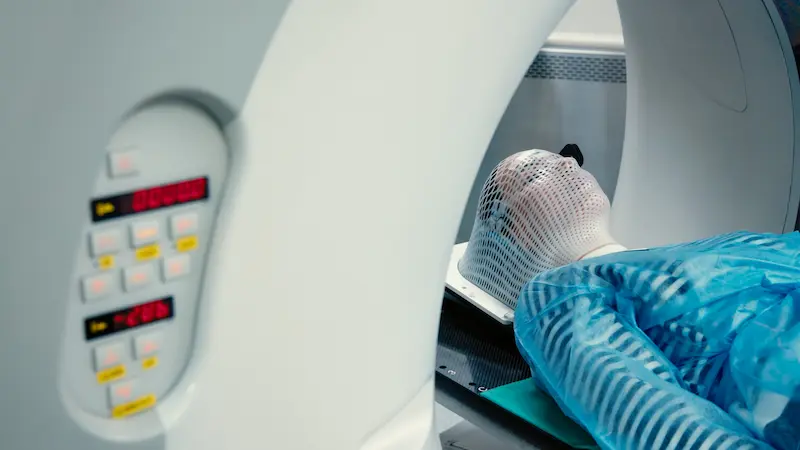
Key takeaway: Radiation for brain tumors works by delivering focused beams of high energy to target and eradicate cancerous cells or prevent them from multiplying. This process is carefully planned to minimize harm to adjacent healthy brain tissue. In the context of radiation therapy for brain tumor in Turkey, specialists employ sophisticated techniques to ensure that the radiation treatment for cancer is both effective and safe, forming a cornerstone of modern neuro-oncology care.
The primary goal of radiation therapy for brain tumors is to damage the genetic material (DNA) within tumor cells. Once the DNA is sufficiently damaged, the cells lose their ability to reproduce and eventually die, leading to tumor shrinkage or stabilization. This method is effective for various brain tumor types. The precise administration of radiation for brain cancer is critical, and facilities offering radiation therapy for brain tumor in Turkey are equipped with cutting-edge technology to achieve this. Many studies, such as those published in oncology journals, support the efficacy of radiation in controlling tumor growth.
Radiation treatment for brain tumor can be administered with different intents:
- Curative intent: Aiming to destroy the tumor completely and achieve long-term remission. This is often possible for certain types of localized brain tumors.
- Adjuvant therapy: Given after surgery to eliminate any remaining cancer cells and reduce the risk of recurrence. This is a common application in treating brain cancer.
- Palliative intent: Focused on relieving symptoms, such as pain or pressure caused by the tumor, and improving the patient’s quality of life when a cure is not possible. Even in palliative care, the precision of radiation therapy for brain tumor in Turkey is vital.
The planning phase for brain tumor radiation therapy is meticulous. It involves advanced imaging scans like CT, MRI, and sometimes PET scans to create a three-dimensional map of the tumor and surrounding structures. Radiation oncologists and medical physicists then use this map to design a personalized treatment plan, determining the optimal angles, intensity, and dose of radiation. This careful planning ensures that the radiation for brain tumors is delivered with maximum accuracy, a standard practice for those undergoing radiation therapy for brain tumor in Turkey.
Types of Radiation Therapy Available in Turkey
Key takeaway: Turkey offers a comprehensive range of advanced radiation therapy for brain tumors, ensuring patients receive the most suitable treatment for their specific condition. Leading hospitals provide options from External Beam Radiation Therapy (EBRT) variations like IMRT and VMAT to highly focused treatments like Stereotactic Radiosurgery (SRS). This array of choices positions radiation therapy for brain tumor in Turkey as a highly competitive and advanced option for international patients seeking quality cancer radiation treatment.
The types of radiation therapy for brain tumor in Turkey are diverse, allowing for tailored treatment approaches:
Quick list:
- External Beam Radiation Therapy (EBRT): This is the most common type of radiation treatment. A machine outside the body directs radiation beams at the tumor. Advanced EBRT techniques widely available in Turkey include:
- 3D Conformal Radiation Therapy (3D-CRT): Beams are shaped to match the tumor’s dimensions, improving targeting.
- Intensity-Modulated Radiation Therapy (IMRT): This advanced form of 3D-CRT allows the intensity of the radiation beams to be varied. This means higher doses can be directed to the tumor while significantly sparing surrounding healthy tissue. IMRT is particularly beneficial for tumors with complex shapes or those near critical structures, making it a key component of radiation therapy for brain tumor in Turkey.
- Volumetric Modulated Arc Therapy (VMAT): A sophisticated form of IMRT where the treatment machine rotates around the patient, delivering radiation continuously as it moves. VMAT can often deliver treatment faster than conventional IMRT. It’s a highly precise method used in radiation therapy for brain tumor in Turkey.
- Image-Guided Radiation Therapy (IGRT): Imaging scans (CT, MRI, or X-rays) are taken before and sometimes during each treatment session to ensure extreme accuracy in targeting the brain tumor and radiation delivery, adjusting for any tumor movement or changes in patient positioning. This is integral to modern radiation therapy for brain tumor in Turkey.
- Stereotactic Radiosurgery (SRS): This is not surgery in the traditional sense but a highly precise form of radiation therapy for brain tumors that delivers one or a few very high doses of radiation to small, well-defined tumors. It is often completed in a single session (though sometimes up to five).
- Gamma Knife: Uses hundreds of focused gamma ray beams that converge on the tumor. It is exceptionally precise for treating small to medium-sized brain tumors and is a leading option for radiation therapy for brain tumor in Turkey.
- CyberKnife: A robotic system that delivers radiation from many different angles with sub-millimeter accuracy. It can track tumor movement in real-time, making it suitable for tumors near critical structures. This technology enhances the capabilities of radiation therapy for brain tumor in Turkey.
- Linear Accelerator (LINAC)-based SRS: Uses specialized LINAC machines to deliver stereotactic radiosurgery, offering similar precision for radiation treatment for brain tumor.
- Stereotactic Radiotherapy (SRT): Similar to SRS, but the total radiation dose is divided into multiple smaller doses (fractions) delivered over several days. SRT is often used for tumors that are larger or located closer to sensitive structures where a single high dose might be too risky. This is another advanced option for radiotherapy for brain tumors in Turkey.
- Proton Therapy: This type of radiation treatment for cancer uses proton beams instead of X-rays. Protons release most of their energy directly in the tumor, with minimal radiation dose to the healthy tissues beyond the tumor. This can reduce side effects, especially for tumors near critical organs or in pediatric cases. Some specialized centers in Turkey offer proton therapy, adding to the advanced radiation therapy for brain tumor in Turkey options.
The choice of radiation therapy technique depends on several factors, including the brain tumor type, size, location, the patient’s overall health, and previous treatments. Oncologists specializing in radiation therapy for brain tumor in Turkey will discuss the most appropriate options, ensuring patients understand the benefits and potential side effects of their proposed radiation for brain cancer treatment plan. The availability of such diverse and modern technologies underscores Turkey’s commitment to providing world-class radiation treatment for international patients.
Who Is a Candidate? Brain Tumor Types, Symptoms & Evaluation
Key takeaway: Determining candidacy for radiation therapy for brain tumor in Turkey involves a thorough evaluation of the specific brain tumor type, its stage, and the patient’s overall health. Oncologists in Turkey utilize a comprehensive assessment process, including advanced diagnostics, to decide if radiation for brain tumors is the most appropriate and effective treatment path. Understanding your tumor and undergoing this detailed evaluation are the first steps toward accessing specialized care.
The decision to recommend radiation therapy for brain tumor in Turkey is never taken lightly. It’s a collaborative process involving a team of specialists who consider all aspects of a patient’s condition. Factors such as the tumor’s location, its genetic makeup, and whether it’s a primary tumor (originating in the brain) or metastatic (spread from elsewhere in the body) play crucial roles. Patients considering radiation treatment for brain tumor will find that Turkish medical teams prioritize a personalized approach, ensuring the chosen therapy aligns with their individual needs. This meticulous approach underpins the high standard of cancer radiation treatment available.
Early recognition of brain tumor symptoms and prompt medical consultation are vital. While symptoms can vary widely depending on the tumor’s size, type, and location, certain signs may warrant investigation. A timely diagnosis allows for a broader range of treatment options, potentially including less invasive forms of radiation therapy for brain tumor in Turkey. The diagnostic journey is comprehensive, aiming to gather all necessary information before a treatment plan, which may include brain tumor radiation therapy, is formulated.
Common Brain Tumor Types and Indications
Key takeaway: Many types of primary and metastatic brain tumors are treated with radiation, and hospitals in Turkey are adept at managing a broad spectrum. Indications for radiation therapy for brain tumor in Turkey vary, but it’s often used after surgery, as a primary treatment if surgery isn’t feasible, or for recurrent tumors. The suitability of radiation for brain cancer is determined on a case-by-case basis by experienced neuro-oncologists.
Here is a quick list of common brain tumor types and general indications for radiation therapy:
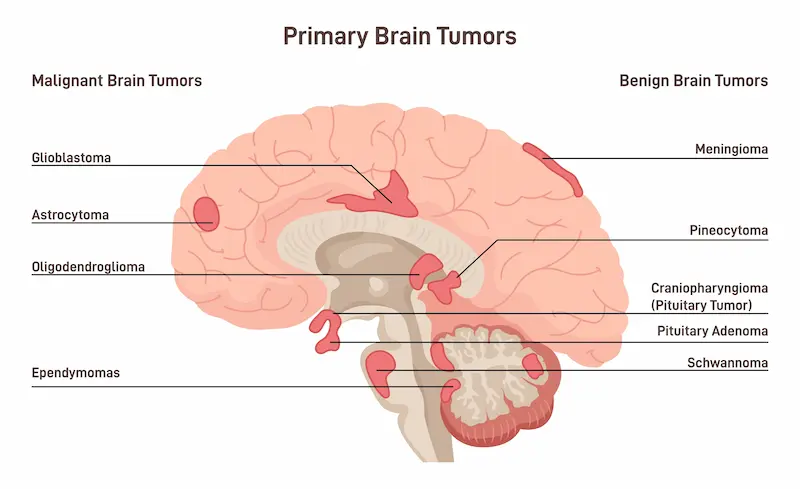
- Gliomas: These tumors arise from glial cells.
- Astrocytomas (including Glioblastoma): Low-grade astrocytomas may be observed or treated with surgery alone, but radiation is often used for higher-grade tumors like anaplastic astrocytoma and glioblastoma (GBM). For GBM, brain tumor radiation therapy is a standard treatment, usually given after surgery along with chemotherapy. Experienced centers for radiation therapy for brain tumor in Turkey manage these complex cases.
- Oligodendrogliomas: Radiation may be used after surgery, especially if the tumor is high-grade or not completely removed.
- Ependymomas: Post-surgical radiation treatment for brain tumor is common to prevent recurrence, particularly for higher-grade or incompletely resected tumors.
- Meningiomas: These tumors arise from the meninges, the membranes surrounding the brain and spinal cord. While many are benign and slow-growing, radiation for brain tumors like atypical or malignant meningiomas is often recommended post-surgery. It can also be an option for surgically inaccessible or recurrent benign meningiomas. Precise radiotherapy for brain tumors like meningiomas is crucial due to their often complex locations.
- Pituitary Adenomas: These develop in the pituitary gland. Radiation therapy may be used for tumors that are not fully removed by surgery, for recurrent tumors, or if surgery is not an option. Stereotactic techniques are often preferred for this brain tumor type.
- Medulloblastomas: These are fast-growing, high-grade tumors most common in children but also occurring in adults. Brain tumor and radiation play a critical role in their management, typically administered to the entire brain and spine (craniospinal irradiation) after surgery, often along with chemotherapy. Specialized radiation therapy for brain tumor in Turkey is available for such cases.
- Schwannomas (e.g., Acoustic Neuromas/Vestibular Schwannomas): These benign tumors arise from Schwann cells. Stereotactic radiosurgery (SRS) is a highly effective primary treatment for smaller schwannomas or as an alternative to surgery, offering excellent tumor control with minimal side effects.
- Metastatic Brain Tumors (Secondary Brain Tumors): These are tumors that have spread to the brain from cancer elsewhere in the body (e.g., lung, breast, colon, melanoma). Radiation therapy for brain tumors that are metastatic is a common and effective treatment to control tumor growth, relieve symptoms, and improve quality of life. This can involve Whole Brain Radiation Therapy (WBRT) or, increasingly, SRS for a limited number of metastases. Patients seeking radiation therapy for brain tumor in Turkey for metastatic disease will find advanced options.
The specific indication for radiation for brain cancer is always determined after a thorough evaluation by a neuro-oncologist or radiation oncologist. Turkish specialists are well-versed in international treatment guidelines and leverage their expertise to recommend the most suitable form of radiation treatment, ensuring optimal outcomes for each patient considering radiation therapy for brain tumor in Turkey.
Diagnostic Journey & When Radiation Is Recommended
Key takeaway: The diagnostic journey for a brain tumor involves several steps, from initial symptom assessment to advanced imaging and sometimes biopsy, all readily available in Turkey. Radiation therapy for brain tumor in Turkey is typically recommended by a multidisciplinary team after a comprehensive evaluation confirms the tumor type, grade, and specific patient circumstances, ensuring a tailored radiation treatment for cancer.
The path to diagnosing a brain tumor and determining if radiation therapy for brain tumors is appropriate generally follows these steps:
- Step 1: Symptom Recognition & Initial Consultation: The journey often begins when a patient experiences persistent or concerning brain tumor symptoms. These can include:
- New or increasingly severe headaches
- Seizures
- Persistent nausea and vomiting
- Weakness or numbness in limbs
- Balance problems or dizziness
- Vision or hearing changes
- Speech difficulties
- Cognitive or personality changes If you are experiencing such symptoms, seeking medical attention is crucial.
- Step 2: Neurological Examination: A doctor will perform a detailed neurological exam to assess brain function, including reflexes, coordination, sensation, strength, and mental status. This helps localize potential issues within the nervous system.
- Step 3: Imaging Tests: Advanced imaging is fundamental to diagnosing brain tumors.
- Magnetic Resonance Imaging (MRI): This is usually the primary imaging test for brain tumors, providing detailed pictures of brain structures. Specialized MRI techniques like functional MRI (fMRI) or MR spectroscopy may also be used.
- Computed Tomography (CT) Scan: Often used in urgent situations or if MRI is not possible. It can help identify bleeding, bone changes, or calcification.
- Positron Emission Tomography (PET) Scan: Can help determine if a tumor is cancerous (malignant) or non-cancerous (benign), and whether cancer has spread. PET scans are also valuable for treatment planning in radiation therapy for brain tumor in Turkey. Leading hospitals in Turkey are equipped with state-of-the-art imaging technology critical for accurate diagnosis before considering brain tumor radiation therapy.
- Step 4: Biopsy: In many cases, a biopsy (surgical removal of a small tumor sample for examination under a microscope) is needed to confirm the exact brain tumor type and grade. This information is vital for planning treatment, including radiation therapy for brain tumor in Turkey. Sometimes, if the tumor’s location makes biopsy very risky, treatment decisions might be based on imaging characteristics alone.
- Step 5: Tumor Grading and Staging: Once the tumor type is identified, it’s graded (usually on a scale of I to IV) based on how abnormal the cells look and how quickly they are likely to grow and spread. Staging determines the extent of the tumor.
Following diagnosis, a multidisciplinary tumor board (MDT) typically reviews the case. This team, often including neurosurgeons, radiation oncologists, medical oncologists, neuroradiologists, and pathologists, collaborates to recommend the best course of action. The best doctor for radiation therapy for brain tumor in Turkey will work within such a team.
Radiation therapy for brain tumor in Turkey is commonly recommended in several scenarios:
- Adjuvant Therapy: After surgical removal of the tumor, radiation may be used to target any remaining microscopic cancer cells and reduce the risk of recurrence.
- Primary Treatment: If a tumor is inoperable due to its location or if the patient’s health makes surgery too risky, radiation treatment for brain tumor may be the main treatment.
- For Recurrent Tumors: If a brain tumor returns after initial treatment, radiation therapy can be an option.
- Palliative Care: To alleviate symptoms such as pain, seizures, or neurological deficits caused by the tumor, thereby improving the patient’s quality of life.
- In Combination with Chemotherapy: For certain brain tumor types, like glioblastoma, radiation is often given concurrently with or followed by chemotherapy.
The decision to proceed with radiation therapy for brain tumor in Turkey is always a personalized one, made in consultation with the patient and their family, ensuring they are fully informed about the potential benefits and side effects of radiation oncology.
Radiation Therapy Costs in Turkey
Key takeaway: The cost of radiation therapy for brain tumor in Turkey is a significant consideration for many international patients, and Turkey offers a compelling combination of advanced treatment and affordability. Generally, patients can expect to find radiation therapy costs to be considerably lower than in North America or Western Europe, without sacrificing the quality of care or access to cutting-edge technology. This section will explore average price ranges, key cost drivers, and payment options for radiation therapy for brain tumor in Turkey.
Understanding the financial aspects of your radiation treatment for cancer is crucial for planning. Turkish healthcare institutions are known for their transparent pricing policies, often providing detailed cost breakdowns before treatment begins. This transparency helps patients make informed decisions about their radiation therapy for brain tumor in Turkey. The overall value, which includes world-class medical expertise and state-of-the-art equipment, makes Turkey an increasingly popular choice for medical tourists seeking radiotherapy for brain tumors.
Many factors contribute to the final cost, and while radiation for brain cancer can be an expensive undertaking anywhere, the savings in Turkey can be substantial. This cost-effectiveness extends beyond just the medical procedures to include related expenses, making the overall journey more manageable for patients and their families seeking radiation therapy for brain tumor in Turkey.
Average Price Range and Key Cost Drivers
Key takeaway: The average price for radiation therapy for brain tumor in Turkey can range from approximately $3,500 to $15,000 USD (roughly €3,200 to €13,800 EUR), but this is a general estimate. Highly specialized treatments like Gamma Knife or CyberKnife (forms of Stereotactic Radiosurgery) may range from $7,000 to $12,000 USD (€6,400 – €11,000 EUR) or more, depending on complexity. The final radiation therapy cost is influenced by several factors, including the specific type of radiation, the number of sessions, and hospital choice.
Several key elements will impact the overall expense of your radiation therapy for brain tumor in Turkey:
Quick list of key cost drivers:
- Type of Radiation Therapy: Advanced techniques such as Intensity-Modulated Radiation Therapy (IMRT), Volumetric Modulated Arc Therapy (VMAT), Stereotactic Radiosurgery (SRS) like Gamma Knife or CyberKnife, or Proton Therapy (if applicable and chosen) have different cost structures. SRS is often more expensive per session but may involve fewer sessions.
- Number of Treatment Sessions: The total number of radiation fractions prescribed by your oncologist directly affects the cost. Some brain tumor radiation therapy regimens involve daily treatments for several weeks.
- Complexity of the Tumor: The tumor’s size, location near critical structures, and type can influence the intricacy of treatment planning and delivery, potentially affecting the price of radiation treatment for brain tumor.
- Hospital Reputation and Accreditation: Hospitals with international accreditations (like JCI) and renowned oncology departments may have higher costs, reflecting their investment in technology, expertise, and quality standards. This is an important factor for radiation therapy for brain tumor in Turkey.
- Doctor’s Experience and Fees: The fees for highly experienced and specialized radiation oncologists can vary.
- Diagnostic Tests: Pre-treatment imaging (MRI, CT, PET scans) and any ongoing imaging during treatment contribute to the total cost.
- Medications and Supportive Care: Costs for medications to manage side effects or other supportive therapies will be additional.
- Length of Hospital Stay: While most radiation therapy for brain tumor in Turkey is outpatient, any necessary hospital admission would add to the cost.
- Package Inclusions: Some hospitals offer packages that might bundle services, affecting the quoted price.
It is essential to obtain a personalized quote from your chosen hospital for radiation therapy for brain tumor in Turkey. This quote should ideally provide a detailed breakdown of anticipated expenses, ensuring clarity regarding what is included in the primary radiation therapy cost. Even with advanced techniques, patients often find the radiation for brain tumors in Turkey to be significantly more affordable than comparable care in their home countries.
Istanbul vs Antalya: Price Comparison
Key takeaway: When considering radiation therapy for brain tumor in Turkey, both Istanbul and Antalya are prominent destinations, offering high-quality medical care. While prices can vary, Istanbul may sometimes have slightly higher average costs due to its status as a major metropolitan and international medical hub, whereas Antalya might offer more competitive pricing in some instances, alongside its appeal as a coastal resort city. However, the specific hospital and treatment complexity are more significant cost determinants than the city alone.
Istanbul, as Turkey’s largest city, boasts a high concentration of internationally accredited hospitals and experienced specialists, particularly for complex treatments like radiation therapy for brain tumor in Turkey. This density of top-tier facilities means a wide range of options, but operational costs in a major metropolis can sometimes translate to slightly higher prices for radiation therapy costs. Patients choosing Istanbul often prioritize access to a vast network of expertise and advanced technology.
Ultimately, the choice between Istanbul and Antalya for your radiation for brain cancer treatment should not be based solely on perceived cost differences. The most critical factors are the expertise of the medical team, the availability of the specific type of radiation treatment for cancer you require, and the hospital’s overall quality and patient support services. It’s advisable to request detailed quotes from accredited hospitals in both cities to compare the costs accurately for your specific brain tumor radiation therapy needs. This way, you can make an informed decision that balances cost with the quality of radiation therapy for brain tumor in Turkey.
Insurance, Packages & Payment Options
Key takeaway: For patients considering radiation therapy for brain tumor in Turkey, understanding insurance coverage, the availability of treatment packages, and payment methods is crucial. While direct billing by international insurance companies can vary, many Turkish hospitals assist with documentation for reimbursement. Treatment packages often provide cost transparency and convenience, and various payment options are typically accepted.
Regarding insurance for radiation therapy for brain tumor in Turkey, patients should first consult their international health insurance provider to understand their coverage for medical treatment abroad. Some insurers have partnerships with specific Turkish hospitals, which might facilitate direct billing. However, more commonly, patients may need to pay for their radiation treatment for brain tumor upfront and then seek reimbursement from their insurer. Hospitals in Turkey accustomed to treating international patients usually have dedicated departments to help with the necessary medical reports and invoices for insurance claims.
Many leading Turkish hospitals offer comprehensive packages specifically designed for international patients undergoing radiation therapy for brain tumor in Turkey. These packages can be very beneficial as they often bundle various services at a potentially reduced overall cost.
A typical package might include:
- The cost of the radiation therapy for brain tumors itself (planning and delivery).
- Initial consultations with the radiation oncologist.
- Certain pre-treatment diagnostic tests.
- Sometimes, accommodation arrangements for a specified period.
- Airport transfers.
- Translator services. Such packages enhance cost predictability for cancer radiation treatment.
When it comes to payment for radiation therapy for brain tumor in Turkey, hospitals are generally flexible.
Common payment options include:
- Bank Transfers: Secure wire transfers are a common method for international payments.
- Credit Cards: Major credit cards like Visa, MasterCard, and sometimes American Express are widely accepted. It’s advisable to inform your bank about your travel and potential large transactions.
- Cash: While accepted, there might be limits on the amount of cash that can be paid due to regulations. It’s also less secure for large sums.
It’s important to note that for international patients seeking radiation for brain cancer, upfront payment of a deposit or the full estimated cost of treatment is usually required before services commence. Payment plans are not typically offered to non-residents. Always clarify the payment policies, accepted methods, and any required deposits directly with the finance department of the hospital providing your radiation therapy for brain tumor in Turkey.
Best Hospitals and Doctors for Radiation Therapy for Brain Tumor in Turkey
Key takeaway: Turkey is home to numerous internationally recognized hospitals and highly skilled doctors specializing in radiation therapy for brain tumor in Turkey. Identifying the “best” option is a personal journey, but patients can find exceptional care by looking for key indicators such as international accreditations, advanced technology, multidisciplinary teams, and specialists with proven experience in treating brain cancer. This section guides you on what to look for in leading oncology centers and how to choose the right professionals for your radiation therapy for brain tumor in Turkey.
Finding the right medical team and facility is paramount when facing a diagnosis requiring radiation for brain tumors. Fortunately, Turkey’s healthcare sector has invested significantly in oncology, resulting in many centers that offer world-class cancer radiation treatment. The best hospital for radiation therapy for brain tumor in Turkey for you will be one that not only has excellent medical credentials but also makes you feel supported and confident in your treatment plan. Similarly, the best doctor for radiation therapy for brain tumor in Turkey will be one with demonstrable expertise in your specific condition and a compassionate approach to care.
Consider this section your resource for understanding the hallmarks of quality when researching radiation therapy for brain tumor in Turkey. We will highlight what distinguishes leading institutions and how you can methodically approach selecting a doctor and clinic that align with your needs for brain tumor radiation therapy.
Leading Oncology Centers Overview
Key takeaway: Leading oncology centers for radiation therapy for brain tumor in Turkey are characterized by their commitment to international quality standards, investment in advanced technology, and a patient-centered, multidisciplinary approach. While many excellent facilities exist, especially in cities like Istanbul, Ankara, and Antalya, discerning patients should look for specific attributes that signify excellence in radiation treatment for cancer. These centers provide comprehensive care for various brain tumor types.
Here are key characteristics of leading centers offering radiation therapy for brain tumor in Turkey:
- Quick list: Hallmarks of Excellence
- International Accreditations: Look for accreditations from globally recognized bodies like Joint Commission International (JCI) or ISO certifications. These accreditations indicate that the hospital adheres to stringent standards for patient safety, quality of care, and operational efficiency, which are vital for patients seeking radiation therapy for brain tumor in Turkey.
- Advanced Radiation Technology: Top centers are equipped with the latest generation of radiation delivery systems. This includes advanced Linear Accelerators (LINACs) capable of delivering IMRT, VMAT, and IGRT, as well as specialized machines like Gamma Knife or CyberKnife for Stereotactic Radiosurgery (SRS). Access to such technology is crucial for precise and effective radiotherapy for brain tumors. Some may even offer Proton Therapy.
- Multidisciplinary Teams (MDTs): The best outcomes in brain tumor and radiation treatment often come from a collaborative approach. Leading hospitals feature MDTs comprising neuro-oncologists, radiation oncologists, neurosurgeons, medical oncologists, neuroradiologists, medical physicists, pathologists, and specialized oncology nurses. These teams discuss complex cases and create personalized treatment plans for radiation therapy for brain tumor in Turkey.
- Experienced and Specialized Doctors: Seek out radiation oncologists who have specific training and extensive experience in treating brain tumors. Their familiarity with various brain tumor types and the nuances of radiation for brain cancer can significantly impact treatment success. Many doctors in leading Turkish centers have international experience or affiliations.
- Commitment to Research and Innovation: Hospitals that participate in clinical trials or conduct research often indicate a dedication to staying at the forefront of oncological care, including advancements in radiation therapy for brain tumor in Turkey.
- Comprehensive Support Services for International Patients: Quality centers understand the needs of patients traveling from abroad. They offer services like multilingual staff or interpreters, assistance with visa arrangements, accommodation coordination, airport transfers, and psychological support. This holistic support is vital for a smoother experience when undergoing radiation therapy for brain tumor in Turkey.
- Transparent Outcomes Reporting: While not always publicly detailed, reputable institutions often track their treatment outcomes and may be willing to discuss their general success rates or participate in international oncology databases.
When you begin your search for radiation therapy for brain tumor in Turkey, these criteria can help you identify institutions that are well-equipped and committed to providing the highest standard of care. The presence of these features is a strong indicator you are considering one of the best hospitals for radiation therapy for brain tumor in Turkey.
How to Choose the Right Doctor & Clinic
Key takeaway: Choosing the right doctor and clinic for your radiation therapy for brain tumor in Turkey requires careful research and asking pertinent questions. Focus on verifying credentials, ensuring technological capabilities align with your needs, and establishing a comfortable rapport with the medical team. This proactive approach will help you find the best doctor for radiation therapy for brain tumor in Turkey tailored to your specific situation.
Here is a step-by-step guide to help you select the right provider for your radiation therapy for brain tumor in Turkey:
- Step 1: Research Credentials and Experience: Investigate the qualifications of the radiation oncologists. Look for board certifications, specialized training in neuro-oncology or advanced radiation techniques, and years of experience specifically treating your brain tumor type. Information about doctors is often available on hospital websites or through direct inquiry. This is a crucial step in finding the best doctor for radiation therapy for brain tumor in Turkey.
- Step 2: Verify Hospital Accreditations and Technology: Confirm that the hospital holds international accreditations (e.g., JCI). Ensure the clinic possesses the specific radiation technology (e.g., Gamma Knife, CyberKnife, advanced LINACs for IMRT/VMAT) recommended for your radiation treatment for brain tumor. The best hospital for radiation therapy for brain tumor in Turkey will be transparent about its accreditations and equipment.
- Step 3: Inquire About Treatment Planning and Multidisciplinary Approach: Ask about the process for developing your brain tumor radiation therapy plan. Will a multidisciplinary team review your case? How is the radiation targeted so precisely? What measures are taken to minimize side effects? Understanding their approach to radiation therapy for brain tumor in Turkey is key.
- Step 4: Seek Second Opinions (If Needed): Don’t hesitate to seek a second opinion, especially for a serious diagnosis like a brain tumor. Reputable doctors understand and respect this. Comparing recommendations can provide reassurance or highlight different perspectives on your radiation for brain cancer treatment options in Turkey.
- Step 5: Evaluate Communication, Support, and Language Services: Effective communication is vital. Ensure the doctor and clinic staff can communicate clearly with you, either directly in your language or through proficient medical interpreters. Assess the availability of international patient services. Feeling understood and supported is crucial when undergoing radiation therapy for brain tumor in Turkey.
- Step 6: Review Patient Testimonials (If Available): While direct patient connections may be limited by privacy regulations, hospitals sometimes provide access to anonymized or approved patient testimonials. Look for these on their official channels or independent review platforms, but exercise discernment.
- Step 7: Understand All Costs and Inclusions Clearly: Before committing, obtain a detailed written cost estimate for your radiation therapy for brain tumor in Turkey. Ensure you understand what is included (e.g., consultations, planning scans, treatment sessions, follow-up) and what might be extra.
By systematically addressing these points, you empower yourself to make an informed choice. The goal is to find a doctor and clinic for your radiation therapy for brain tumor in Turkey that not only offers excellent medical treatment but also provides a supportive and confidence-inspiring environment throughout your cancer radiation treatment journey.
From Preparation to Recovery: The Patient Journey
Key takeaway: The journey for patients undergoing radiation therapy for brain tumor in Turkey is a structured process, meticulously planned from initial preparations through the treatment phase to recovery and follow-up. Turkish medical teams are dedicated to supporting patients every step of the way, ensuring they are well-informed and comfortable. Understanding each phase of your brain tumor radiation therapy can help alleviate anxiety and set realistic expectations for a positive outcome.
Embarking on radiation therapy for brain tumor in Turkey involves several distinct stages, each managed with professionalism and compassion by healthcare providers. From the moment you decide on treatment in Turkey, you will be guided through logistical arrangements, detailed medical preparations, the treatment itself, and comprehensive post-treatment care. This patient-centric approach is a hallmark of quality cancer radiation treatment in the region, making the experience as smooth as possible for those seeking radiation for brain tumors.
This section will walk you through what to expect during your radiation treatment journey in Turkey, offering insights into preparation, the daily routine of therapy, management of potential side effects, and the path to recovery. The aim is to provide a clear picture for patients and their families considering radiation therapy for brain tumor in Turkey.
Preparing for Radiation Treatment
Key takeaway: Thorough preparation is essential before commencing radiation therapy for brain tumor in Turkey. This phase includes detailed medical evaluations, sophisticated treatment planning sessions, logistical arrangements for international travel, and important lifestyle considerations. Turkish oncology centers ensure patients are fully prepared, both medically and practically, for their radiation treatment for brain tumor.
Here are the typical preparatory steps for patients undergoing radiation therapy for brain tumor in Turkey:
- Step 1: Initial Consultations and Further Evaluations: Upon your arrival or via remote consultation, you will meet with your radiation oncology team. They will review your medical history, previous imaging, and pathology reports. Additional diagnostic tests or scans may be performed in Turkey to gather the most current information about your brain tumor.
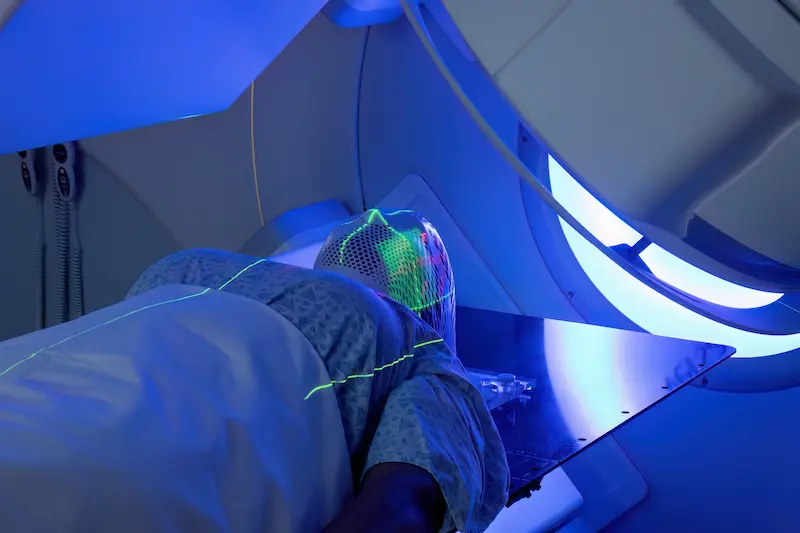
- Step 2: Treatment Planning Session (Simulation): This crucial step, often called a simulation, involves a CT scan (and sometimes an MRI or PET scan) in the exact position you will be in during treatment. For brain tumors, a custom-fit immobilization mask is created to ensure your head remains perfectly still and in the correct position for each session. This allows for precise targeting of the radiation for brain cancer. Tiny, often temporary, marks may be placed on your mask or skin to help align the radiation equipment. This meticulous planning is fundamental to effective radiation therapy for brain tumor in Turkey.
- Step 3: Logistical Arrangements (Travel & Accommodation): International patients will need to arrange visas (if required), flights, and accommodation. Many Turkish hospitals have international patient departments that can assist with these logistics, recommend nearby hotels, or even offer package deals that include accommodation. Planning these aspects well in advance for your radiation therapy for brain tumor in Turkey is advisable.
- Step 4: Discussing Medications and Health Conditions: It’s vital to inform your Turkish medical team about all medications you are currently taking (prescription, over-the-counter, supplements) and any pre-existing health conditions or allergies. Some medications may need to be adjusted or temporarily stopped before or during your radiation treatment.
- Step 5: Lifestyle Adjustments: Your doctor may provide advice on nutrition and hydration to help your body cope best with treatment. Quitting smoking is highly recommended, as smoking can reduce treatment effectiveness and worsen side effects.
- Step 6: Mental and Emotional Preparation: Facing brain tumor radiation therapy can be emotionally challenging. Acknowledge your feelings and seek support from family, friends, or professional counselors if needed. Many Turkish hospitals offer psychological support services.
This comprehensive preparation ensures that your radiation therapy for brain tumor in Turkey is delivered safely and effectively, with a plan tailored specifically to your needs.
Treatment Process & Duration
Key takeaway: The actual process of receiving radiation therapy for brain tumor in Turkey involves daily or periodic sessions where precise beams of radiation are delivered to the tumor. While the overall treatment course duration varies, each individual session is typically short and painless. Advanced technology and skilled therapists ensure accuracy and patient comfort throughout the radiation treatment for brain tumor.
On a typical treatment day for radiation therapy for brain tumor in Turkey, you can expect the following: You’ll check in at the radiation oncology department. You might be asked to change into a hospital gown. The radiation therapists will greet you and escort you to the treatment room. They will help you lie down on the treatment couch and will carefully position you, using your custom-made immobilization mask to ensure precision.
Once you are correctly positioned, the therapists will leave the room and operate the radiation machine (e.g., a Linear Accelerator, Gamma Knife, or CyberKnife) from an adjacent control room. They will monitor you continuously via video cameras and an intercom system. The machine will deliver the radiation according to your specific brain tumor radiation therapy plan. You will not feel the radiation as it is being delivered, much like an X-ray. The machine might make whirring or clicking sounds. Each session usually lasts between 10 to 30 minutes, with most of this time spent on careful positioning. The actual radiation delivery is often just a few minutes.
The total duration of your radiation therapy for brain tumor in Turkey depends on several factors: the brain tumor type, its size and location, the type of radiation being used, and the goal of the treatment (curative or palliative).
- Stereotactic Radiosurgery (SRS): Often completed in a single high-dose session, or sometimes up to 5 sessions.
- Fractionated External Beam Radiation Therapy (EBRT): Typically given daily, five days a week (Monday to Friday), for a period ranging from two to seven weeks. Your radiation oncologist will clearly outline your specific treatment schedule. During your course of radiotherapy for brain tumors, you will have regular follow-up appointments with your oncologist to monitor your progress, manage any side effects, and answer your questions about your radiation for brain cancer.
Side Effects and Post-Treatment Care
Potential side effects of radiation oncology for brain tumors can be categorized as early or late. Early side effects occur during or shortly after treatment and are usually temporary.
- Common early side effects:
- Fatigue is very common.
- Skin changes in the treated area (on the scalp): redness, dryness, itching, or tenderness, similar to sunburn.
- Hair loss (alopecia) in the area where the radiation beams pass through the scalp. Hair may regrow, but sometimes hair loss can be permanent depending on the radiation dose.
- Mild nausea or headache.
- Temporary worsening of neurological symptoms due to inflammation or swelling in the brain. Medications like steroids are often prescribed to manage this.
Late side effects are less common and can develop months or even years after radiation therapy for brain tumor in Turkey is completed. These can include cognitive changes (memory or thinking problems) or, very rarely with modern precision techniques, radiation necrosis (damage to healthy brain tissue). Your medical team will discuss any specific risks with you.
The oncology team at your chosen facility for radiation therapy for brain tumor in Turkey will provide strategies to manage these side effects, such as medications, dietary advice, and skin care recommendations. Many patients experience only mild side effects and can continue with many of their normal daily activities during treatment.
Post-treatment care is vital for recovery after radiation therapy for brain tumors. This includes:
- Rest and Nutrition: Getting plenty of rest and maintaining a healthy diet helps your body recover.
- Follow-up Appointments: You will have regular follow-up appointments with your oncologist. These will include neurological exams and imaging scans (MRI or CT) to monitor the tumor’s response to radiation treatment for cancer and check for any signs of recurrence or late side effects.
- Gradual Return to Activities: Your doctor will advise you on when it’s safe to resume your normal activities, including work.
- Rehabilitation Services: If needed, services such as physical therapy, occupational therapy, speech therapy, or cognitive rehabilitation may be recommended. Top Turkish hospitals often have excellent rehabilitation departments. The commitment to patient well-being extends well beyond the final session of radiation therapy for brain tumor in Turkey.
Real Patient Success Stories
Key takeaway: While individual results vary, many patients experience significant benefits and improved quality of life following radiation therapy for brain tumor in Turkey. Success stories often highlight not only effective tumor control but also the compassionate care and advanced technological capabilities found in Turkish medical centers, offering hope and encouragement to those considering this treatment path for their brain cancer.
Patient success following radiation therapy for brain tumor in Turkey can be defined in many ways. For some, it means the complete eradication of the tumor and a return to a full and active life. For others, particularly those with more aggressive brain tumor types, success might involve significant tumor shrinkage, effective long-term control of the disease, alleviation of debilitating brain tumor symptoms, and an enhanced quality of life, allowing for more precious time with loved ones.
Many individuals who have undergone radiation therapy for brain tumor in Turkey report positive experiences that often emphasize:
- The high level of expertise and dedication shown by their Turkish radiation oncologists, neurosurgeons, and support staff.
- The positive impact of advanced radiation treatment technologies, like Gamma Knife, CyberKnife, or IMRT, in precisely targeting tumors while minimizing harm to healthy tissue.
- Successful management of their brain tumor symptoms, leading to improved neurological function and overall well-being.
- The warm, supportive, and culturally sensitive environment provided by Turkish hospitals to international patients, which helps in coping with the stress of cancer radiation treatment abroad.
- Achieving favorable long-term outcomes after their radiation for brain tumors, allowing them to resume their personal and professional lives.
While specific patient outcomes cannot be guaranteed, as each case is unique, these general themes of success are frequently observed. Prospective patients looking into radiation therapy for brain tumor in Turkey may find it helpful to inquire if the hospital can share (with appropriate consent and anonymization) general outcome statistics or connect them with patient advocacy groups. Hearing about the positive journeys of others can provide valuable perspective and hope when considering radiation therapy for brain tumor in Turkey.
Alternatives, Follow-Up & FAQs
Key takeaway: While this guide focuses on radiation therapy for brain tumor in Turkey, it’s important to understand that treatment is often multifaceted. This final section explores alternative and complementary treatments like surgery and chemotherapy, discusses the possibility of repeating radiation therapy, addresses its effectiveness, and answers frequently asked questions. Turkish medical centers emphasize a comprehensive, multidisciplinary approach to achieve the best outcomes for patients with brain cancer.
Your journey with radiation therapy for brain tumor in Turkey doesn’t end with the last treatment session. Long-term follow-up is crucial, and understanding all available therapeutic avenues, including how they integrate with radiation for brain tumors, empowers you to make informed decisions. This section aims to provide clarity on these aspects, reinforcing the thorough and patient-focused care available when seeking radiation treatment for cancer in Turkey.
We will delve into how different treatments work together, the conditions under which brain tumor radiation therapy might be considered again if needed, and realistic expectations regarding outcomes. Finally, a set of FAQs will address common practical queries about undergoing radiation therapy for brain tumor in Turkey.
Surgery, Chemotherapy & Other Options
Key takeaway: Radiation therapy for brain tumor in Turkey is a cornerstone of treatment, but it is often most effective when used in combination with other modalities such as surgery and chemotherapy. Turkish neuro-oncology teams expertly integrate these treatments, and are increasingly adopting newer options like targeted therapy and immunotherapy, to create personalized plans for various brain tumor types.
Here’s a brief overview of other key treatments that may be part of your plan alongside or instead of radiation therapy for brain tumor in Turkey:
- Surgery:
- Role: For many brain tumors, surgery is often the first line of treatment. Its goals can be to obtain a biopsy for accurate diagnosis, remove as much of the tumor as safely possible (debulking), or achieve a complete resection.
- Relation to Radiation: Even after successful surgery, radiation therapy for brain tumor in Turkey is frequently recommended to eliminate any microscopic tumor cells that may remain, reducing the risk of recurrence. For inoperable tumors, radiation might be the primary treatment.
- Chemotherapy:
- Role: Chemotherapy uses specialized drugs to kill cancer cells or stop them from growing. These drugs can be administered orally or intravenously, circulating throughout the body, or sometimes delivered directly to the brain or cerebrospinal fluid.
- Relation to Radiation: For certain types of brain cancer, such as glioblastoma, chemotherapy (like temozolomide) is often given concurrently with radiation therapy for brain tumor in Turkey, and/or as a maintenance treatment afterwards. This combined approach can improve outcomes.
- Targeted Therapy:
- Role: These drugs are designed to identify and attack specific molecules (often proteins) involved in cancer cell growth and survival, which are more prevalent in cancer cells than normal cells. They are typically used when a tumor has specific genetic mutations that the drugs can target.
- Availability: Advanced oncology centers in Turkey offering radiation therapy for brain tumor in Turkey are also increasingly utilizing targeted therapies based on molecular profiling of the tumor.
- Immunotherapy:
- Role: This innovative approach harnesses the body’s own immune system to fight cancer. While still being extensively researched for many brain tumor types, immunotherapy is showing promise for some, and Turkish specialists stay abreast of these developments.
- Palliative Care:
- Role: Focused on improving quality of life by managing symptoms of the brain tumor and side effects of treatment, such as pain, nausea, or neurological issues. Palliative care can and should be provided at any stage of illness, alongside curative treatments like radiation therapy for brain tumor in Turkey.
The decision on which combination of treatments is best for you will be made by a multidisciplinary team of experts after a thorough evaluation of your specific condition. This collaborative approach ensures that your radiation therapy for brain tumor in Turkey is part of an optimal, comprehensive strategy.
Can Radiation Therapy Be Repeated?
Key takeaway: Repeating radiation therapy for brain tumor in Turkey (re-irradiation) for a recurrent or progressive brain tumor is a complex decision but is sometimes a viable option. Turkish radiation oncologists carefully evaluate multiple factors, including previous radiation dosage and advanced techniques available, to determine if re-treatment can be done safely and effectively.
If a brain tumor recurs or continues to grow in an area that has previously received radiation for brain tumors, the possibility of further radiation treatment depends on a careful risk-benefit analysis. Healthy brain tissue has a limit to how much radiation it can tolerate over a lifetime.
Factors influencing the decision for re-irradiation include:
- Time Interval: The longer the period since the initial course of brain tumor radiation therapy, the more likely re-irradiation might be considered, as tissues may have had some time to recover.
- Previous Radiation Dose: The total dose delivered to the specific brain region previously is a critical factor.
- Location and Size of Recurrence: The exact location and volume of the recurrent tumor relative to critical brain structures and previously irradiated tissue.
- Technology Available: Advanced, highly conformal techniques like Stereotactic Radiosurgery (SRS) or Intensity-Modulated Radiation Therapy (IMRT) are often essential for re-irradiation. These methods, readily available for radiation therapy for brain tumor in Turkey, allow for precise targeting of the recurrent tumor while minimizing additional dose to surrounding, previously treated normal tissues.
- Patient’s Overall Health: The patient’s general condition and ability to tolerate further treatment.
Re-irradiation carries potential risks of increased side effects, and these will be thoroughly discussed. The decision to offer repeat radiation therapy for brain tumor in Turkey is made on a case-by-case basis by highly experienced radiation oncology teams who specialize in managing complex brain cancer scenarios.
How Effective Is Radiation Therapy?
Key takeaway: The effectiveness of radiation therapy for brain tumor in Turkey varies significantly depending on the specific tumor type, grade, location, the patient’s overall health, and whether it’s combined with other treatments. However, it plays a crucial role in managing many brain tumors by aiming to cure, control growth, relieve symptoms, and improve quality of life. Modern techniques available in Turkey enhance precision and outcomes.
It’s important to have realistic expectations about how effective is radiation therapy. For some benign tumors (e.g., many meningiomas, schwannomas/acoustic neuromas), radiation therapy for brain tumor in Turkey, especially SRS, can achieve very high rates of long-term tumor control, often equivalent to surgery but without incision. For malignant tumors, such as gliomas, radiation is a vital component of treatment aimed at slowing progression, prolonging survival, and alleviating symptoms.
General goals and markers of effectiveness for radiation therapy for brain tumors include:
- Tumor Control/Shrinkage: Preventing further growth or reducing the size of the tumor.
- Survival Prolongation: Extending a patient’s life expectancy, particularly for malignant tumors.
- Symptom Relief: Reducing symptoms caused by the tumor, such as headaches, seizures, or neurological deficits.
- Prevention of Recurrence: Reducing the likelihood of the tumor returning after surgery.
- Improved Quality of Life: By controlling the tumor and its symptoms.
The success of radiation therapy for brain tumor in Turkey is also influenced by the sophisticated technology used. Advanced imaging and precise delivery systems allow for higher, more effective doses to the tumor while better sparing healthy tissues, which can lead to improved outcomes and fewer debilitating side effects. Turkish medical centers offering cancer radiation treatment invest heavily in this technology and the expertise to use it, ensuring that the effectiveness of radiation for brain cancer is on par with leading international standards. Your oncologist will discuss the specific goals and anticipated effectiveness of radiation therapy for brain tumor in Turkey for your individual case.
Frequently Asked Questions
Key takeaway: Patients considering radiation therapy for brain tumor in Turkey often have many practical questions. This section provides answers to some common queries to help you prepare for your journey and treatment. Clear communication with your chosen healthcare provider in Turkey is always encouraged for personalized information.
Here is a quick list of answers to frequently asked questions about radiation therapy for brain tumor in Turkey:
How long will I need to stay in Turkey for radiation therapy for brain tumor in Turkey?
This varies greatly. Stereotactic Radiosurgery (SRS) might only require a stay of a few days to a week for consultation, planning, treatment, and initial recovery. Fractionated External Beam Radiation Therapy (EBRT) can last from 2 to 7 weeks, meaning a longer stay. Your treatment plan for brain tumor radiation therapy will determine the duration.
Can I continue my normal medications during brain tumor radiation therapy?
In most cases, yes. However, it’s crucial to inform your radiation oncologist in Turkey about ALL medications and supplements you are taking. They will advise if any adjustments are needed during your radiation treatment.
Will I be radioactive after radiation treatment?
For external beam radiation therapy (the most common type for brain tumors), you will NOT be radioactive after treatment sessions. The radiation only affects you while the machine is on. You can safely be around other people, including children and pregnant women, immediately after your daily radiation therapy for brain tumor in Turkey.
What support services are available for international patients in Turkish hospitals?
Reputable hospitals offering radiation therapy for brain tumor in Turkey to international patients typically provide a comprehensive range of support services. These often include dedicated international patient departments, language interpretation services, assistance with visa applications, travel and accommodation arrangements, and sometimes psychological support.
How soon after radiation therapy for brain tumor in Turkey can I travel back home?
Most patients can travel shortly after their final radiation session, provided they are feeling well and their doctor approves. For SRS, it might be a day or two after. For longer courses of radiotherapy for brain tumors, you might want a few days to recover before a long journey. Discuss this with your oncologist.
What are the next steps if I’m interested in radiation therapy for brain tumor in Turkey?
The first step is to research accredited hospitals and experienced radiation oncologists in Turkey. Contact their international patient department, providing your medical records (imaging, pathology reports, current condition). They can then provide a preliminary assessment, treatment proposal, and cost estimate for radiation therapy for brain tumor in Turkey.
While this guide has focused on providing in-depth information about radiation therapy for brain tumor in Turkey, we understand that our readers may be exploring a wide range of advanced medical solutions. Our commitment to excellence in patient care extends across numerous specialties.
If you or a loved one are researching other complex procedures, you may find our detailed guides on treatments such as Lung Transplant for end-stage pulmonary disease, innovative Pectus Carinatum Treatment for chest wall deformities, advanced diagnostic procedures like Bronchoscopy, or specialized oncological procedures like Thymoma Surgery to be valuable resources. Each guide reflects our dedication to providing clear, comprehensive information across all fields of our medical expertise.