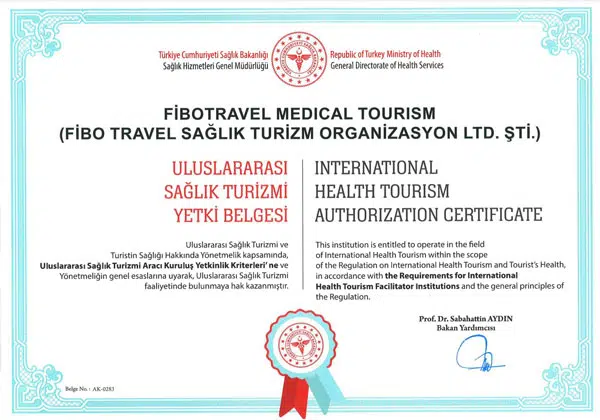

Welcome to your detailed guide on securing a liver transplant in Turkey. This resource is designed for international patients exploring high-quality, affordable healthcare options abroad. We understand that considering a liver transplant is a significant decision, often filled with questions and concerns. Here, we provide clear, expert-led information about the process, benefits, and what to expect when choosing Turkey for this life-saving procedure. Our aim is to empower you with knowledge and confidence as you navigate your healthcare journey. We will cover everything from understanding liver disease to the specifics of undergoing a liver transplant in Turkey.
Table of Contents
Understanding Liver Transplantation
Embarking on the path to a liver transplant begins with a solid understanding of the procedure itself. This section breaks down the essentials: what a liver transplant involves, the underlying conditions that necessitate it, and the different types of transplants available. We’ll explore the vital role of the liver, how to recognize symptoms of liver disease, and the criteria that determine eligibility for a transplant. Gaining this foundational knowledge is the first step towards making an informed decision about seeking a liver transplant in Turkey.
What Is a Liver Transplant?
A liver transplant is a surgical procedure to replace a diseased or failing liver with a healthy one, or a segment of one, from a donor. This is often the only option for individuals with end-stage liver disease or acute liver failure when other treatments are no longer effective. The goal is to restore normal liver function, improve quality of life, and extend survival. Surgeons remove the damaged liver and connect the new, healthy liver to the patient’s blood vessels and bile ducts. A liver transplant in Turkey offers a chance at a renewed, healthier life through advanced medical care.
Key takeaway: A liver transplant replaces a failing liver with a healthy donor liver, offering a life-saving solution for critical liver conditions. Many international patients consider a liver transplant in Turkey due to its high standards and expertise in this field.

Liver Disease, Symptoms & Location of the Liver
Your liver, the largest internal organ, is located in the upper right portion of your abdomen, beneath the diaphragm. It performs hundreds of essential functions, including filtering toxins, aiding digestion, and producing vital proteins. Liver disease refers to any condition that damages the liver and prevents it from working correctly. Causes range from viruses (Hepatitis A, B, C) and genetics to alcohol abuse and nonalcoholic fatty liver disease (NAFLD). Early liver disease symptoms can be subtle, but as damage progresses, they may include jaundice (yellowing skin/eyes), abdominal swelling, fatigue, nausea, and easy bruising. Recognizing these symptoms of liver disease is crucial for timely intervention, which might eventually involve a liver transplant in Turkey.
Quick list: Common liver disease symptoms include:
- Jaundice
- Abdominal pain and swelling (ascites)
- Swelling in legs and ankles
- Itchy skin
- Dark urine / Pale stools
- Chronic fatigue
- Nausea or vomiting
- Loss of appetite
Indications, Criteria & When a Transplant Is Needed
A liver transplant is typically recommended when the liver is so damaged it can no longer support life. This occurs in end-stage liver disease (cirrhosis) or acute liver failure. Key indications include complications like recurrent fluid retention (ascites), internal bleeding from enlarged veins (varices), or impaired brain function (hepatic encephalopathy). Doctors use specific liver transplant criteria to determine eligibility. These include the severity of the liver disease (often measured by the MELD or PELD score), overall physical and mental health, and the absence of conditions that would make surgery too risky. The decision to pursue a liver transplant in Turkey is made after a thorough evaluation confirms it’s the best treatment option.
Key takeaway: A transplant is needed when liver failure becomes life-threatening and other treatments fail. Strict liver transplant criteria ensure the procedure is offered to suitable candidates who can benefit most, a standard rigorously applied for every liver transplant in Turkey.
Types of Procedures: Deceased- vs Living-Donor
There are two primary sources for a new liver: deceased donors and living donors.
- Deceased-Donor Transplant: This involves transplanting a whole liver (or sometimes a split portion) from a person who has recently been declared brain dead. Patients are placed on a waiting list, and organs are allocated based on medical urgency and compatibility.
- Living-Donor Liver Transplant: This involves transplanting a portion (usually the right or left lobe) of a healthy liver from a living person. This is possible because the liver can regenerate, growing back to its full size in both the donor and the recipient, typically within a few months.
Due to a shortage of deceased-donor organs globally, the living donor liver transplant is increasingly common. Turkey, in particular, has become a world leader in living donor liver transplant procedures, offering this option to many international patients seeking a timely liver transplant in Turkey. This approach often shortens waiting times and allows for planned surgery with a meticulously evaluated, healthy organ.

Why Choose Turkey for Liver Transplant?
Turkey has rapidly emerged as a leading global destination for medical tourism, particularly for complex procedures like organ transplants. Opting for a liver transplant in Turkey means accessing world-class healthcare infrastructure, renowned surgeons, and advanced technology at a competitive cost. The country combines high European standards with a unique approach to patient hospitality, making it an increasingly popular choice for patients worldwide. Its strategic location and focus on international patient care further enhance its appeal for those seeking a liver transplant in Turkey.
Turkish Healthcare Quality & Accreditation
The cornerstone of Turkey’s medical success is its commitment to quality and international standards. Many Turkish hospitals hold prestigious accreditations, most notably from the Joint Commission International (JCI). This accreditation signifies adherence to rigorous global benchmarks in patient safety and quality of care. These facilities invest heavily in cutting-edge medical technology and infrastructure, often rivaling or exceeding those found in Western Europe or North America. When considering a liver transplant in Turkey, patients can expect treatment in modern facilities equipped with the latest diagnostic and surgical tools, ensuring the highest standards of medical excellence.
Key takeaway: Turkish hospitals prioritize international quality standards, with many holding JCI accreditation, ensuring patients seeking a liver transplant in Turkey receive care that meets global benchmarks.
Best Liver Transplant Hospitals & Doctors in Turkey
Turkey boasts some of the best liver transplant hospitals in Turkey, renowned for their high volume of successful procedures and pioneering work, especially in living donor liver transplant operations. These centers feature multidisciplinary teams comprising highly skilled surgeons, hepatologists, anesthesiologists, radiologists, and specialized nursing staff. The best liver transplant doctors in Turkey often have extensive international training and decades of experience, contributing to the country’s high success rates. Our institution, for example, is proud to host surgeons recognized globally for their expertise and contributions to the field, making us a prime choice for your liver transplant in Turkey.
Quick list: What sets top Turkish transplant centers apart:
- High volume of annual procedures.
- Internationally trained and experienced surgeons.
- Specialized focus on living donor liver transplant.
- Comprehensive, multidisciplinary teams.
- State-of-the-art technology and facilities.
- Commitment to research and innovation in liver transplant in Turkey.
Survival & Success Rates Compared Globally
The liver transplant success rate is a critical factor for patients, and Turkey consistently demonstrates outstanding outcomes. Turkish transplant centers report survival rates comparable to, and often exceeding, those in Europe and the United States. For living donor liver transplant procedures, success rates are particularly high due to the ability to schedule surgery optimally and use a healthy, rigorously evaluated donor organ. High-volume centers in Turkey often report 1-year patient survival rates exceeding 90% and 5-year rates around 80-85%, which is a testament to the skill of the surgical teams and the quality of post-operative care. These impressive statistics underscore why a liver transplant in Turkey is a reliable and safe option.
Key takeaway: A liver transplant in Turkey offers excellent liver transplant survival rates, often surpassing global averages, particularly in living donor procedures, thanks to experienced teams and high-quality care.
International Patient Services & Care Coordination
Turkish hospitals excelling in medical tourism understand the unique needs of international patients. They offer comprehensive service packages designed to ensure a smooth and stress-free experience. This typically includes dedicated international patient departments with multilingual staff, assistance with visa applications, airport transfers, and accommodation arrangements for both the patient and their family.
Care coordination is a key focus, ensuring seamless communication between the patient, their home doctors, and the Turkish medical team. From the initial consultation to long-term follow-up, these services make undergoing a liver transplant in Turkey accessible and manageable for patients from any corner of the globe. Our institution provides dedicated coordinators to guide you every step of the way during your liver transplant in Turkey.
Liver Transplant Cost in Turkey
One of the most significant advantages of choosing Turkey for medical procedures is the cost-effectiveness, especially for complex surgeries like transplants. The liver transplant cost in Turkey is considerably lower than in many Western countries, without compromising on the quality of care, technology, or expertise. This section delves into the financial aspects, providing an overview of average prices, what these packages typically include, and how these figures compare globally. Understanding the costs involved is crucial when planning for a liver transplant in Turkey.
Average Price & What’s Included
The how much is a liver transplant question is paramount for most patients. In Turkey, the average cost for a liver transplant in Turkey typically ranges from $60,000 to $90,000 USD (approximately €55,000 to €83,000 EUR). This price point is significantly lower than in the US or UK. Importantly, leading Turkish hospitals often offer comprehensive packages.
These usually cover the core medical expenses, including the surgeon’s fees, anesthesia, the liver transplant surgery itself, operating room charges, standard pre-operative evaluations (blood tests, imaging), hospital stay (including ICU), and initial post-operative medications. Some packages might also include accommodation assistance or airport transfers. It is vital to get a detailed quote outlining exactly what is covered before committing to a liver transplant in Turkey.
Key takeaway: The liver transplant cost in Turkey is highly competitive, typically ranging from $60k to $90k USD, often in all-inclusive packages covering the essential medical aspects of the procedure.
Insurance, Financing & Payment Options
Navigating insurance and financing is a key step. Most international insurance plans may offer limited or no coverage for treatments abroad, including a liver transplant in Turkey. Patients should consult directly with their insurance providers to understand any potential reimbursement possibilities. Recognizing this challenge, many Turkish hospitals catering to international patients offer assistance. While direct financing might be uncommon, they can often guide patients toward third-party medical loan companies or provide structured payment plans. Hospitals typically accept various payment methods, including bank transfers, credit cards, and cash. It’s essential to clarify all payment terms and schedules well in advance.
Quick list: Payment & Financing Considerations:
- Verify coverage with your international insurance provider.
- Inquire about potential payment plans with the hospital.
- Explore options for medical tourism loans.
- Confirm accepted payment methods (bank transfers, credit cards).
- Ensure you understand the full payment schedule for your liver transplant in Turkey.
How Much Does a Liver Transplant Cost Worldwide?
When evaluating the how much does a liver transplant cost question, a global comparison highlights Turkey’s value. The cost difference is stark:
- United States: Liver transplant costs can soar, often exceeding $500,000 and sometimes approaching $800,000 or more, especially when including pre- and post-transplant care.
- United Kingdom: While the NHS covers costs for residents, private procedures can range from £150,000 to £250,000 (approx. $190,000 – $315,000 USD).
- Germany/Western Europe: Costs typically fall between €200,000 and €350,000 (approx. $217,000 – $380,000 USD).
- India: While more affordable than the West, costs can range from $30,000 to $50,000 USD, but factors like infrastructure and surgeon experience may vary more widely.
This comparison clearly shows that a liver transplant in Turkey offers a remarkable balance of high-quality medical care, experienced surgeons, and significantly lower costs, making it an accessible option for many international patients. The substantial savings do not mean a cut in quality; rather, they reflect the different economic structures and government support for healthcare in Turkey. This affordability makes a liver transplant in Turkey a very attractive proposition.

The Liver Transplant Journey
Undergoing a liver transplant in Turkey involves several distinct phases, each crucial for a successful outcome. From the initial evaluations to the surgery itself and the immediate care that follows, understanding this journey can help alleviate anxiety and set clear expectations. We guide our international patients through every step, ensuring they feel supported and informed throughout their liver transplant experience with us.
Pre-Surgery Evaluation & Preparation
The first step towards a liver transplant in Turkey is a comprehensive evaluation. This process determines your eligibility and ensures you are physically and mentally prepared for the surgery and recovery. It typically involves:
- Medical History & Physical Exam: A thorough review of your health and current condition.
- Blood & Urine Tests: Assessing liver and kidney function, blood type, and screening for infections.
- Imaging Studies: Ultrasounds, CT scans, and MRIs provide detailed images of your liver and blood vessels.
- Cardiac & Pulmonary Tests: Ensuring your heart and lungs are strong enough for surgery.
- Consultations: Meetings with surgeons, hepatologists, dietitians, social workers, and psychiatrists.
Preparation also involves lifestyle changes, such as optimizing nutrition, stopping alcohol/smoking, and managing existing conditions. For international patients, this phase often includes coordinating travel and accommodation for their liver transplant in Turkey.
Key takeaway: A meticulous pre-surgery evaluation is essential to confirm suitability and prepare patients for the rigors of a liver transplant in Turkey.
Step-by-Step Surgical Procedure
The liver transplant surgery is a complex operation performed by a highly skilled team. While specifics vary, the general steps for the recipient are:
- Step 1: Anesthesia: You will be placed under general anesthesia, ensuring you are asleep and pain-free.
- Step 2: Incision: The surgeon makes an incision, typically L-shaped or like a “Mercedes-Benz” star, in your upper abdomen to access the liver.
- Step 3: Diseased Liver Removal (Hepatectomy): The surgeon carefully disconnects the diseased liver from its blood vessels (hepatic artery, portal vein, hepatic veins) and the bile duct before removing it.
- Step 4: New Liver Placement: The donor liver (or segment) is positioned correctly.
- Step 5: Reconnection: The blood vessels and bile duct are meticulously reattached to the new liver, restoring blood flow and bile drainage.
- Step 6: Closure: Once the team confirms the new liver is functioning and there is no bleeding, the incision is closed with staples or sutures.
The entire procedure can last anywhere from 4 to 12 hours, depending on its complexity. This critical phase of your liver transplant in Turkey is managed with utmost precision.
Living Donor Process & Donor Criteria
For a living donor liver transplant, a parallel process occurs for the donor. Turkey excels in this area, making it a key reason patients seek a liver transplant in Turkey.
- Donor Evaluation: Potential liver transplant donors undergo an even more rigorous evaluation than recipients. They must be in excellent physical and mental health.
- Donor Criteria: Generally, a living donor must be:
- Aged 18-60 (approx.).
- A compatible blood type (though ABO-incompatible transplants are sometimes possible).
- Have a healthy liver of sufficient size.
- Free from significant medical conditions (heart/lung disease, cancer, infectious diseases like HIV/Hepatitis).
- Psychologically stable and willing to donate voluntarily.
- Often a relative or close friend, but altruistic non-directed donation is sometimes considered.
- Donor Surgery: The donor surgery usually happens simultaneously or just before the recipient’s. The surgeon removes a portion of the donor’s liver (typically the right lobe for an adult recipient). The donor’s recovery usually involves a 5-10 day hospital stay.
Immediate Post-Operative Care
Following your liver transplant surgery, you will be moved to the Intensive Care Unit (ICU). This is a critical period focused on close monitoring and stabilization.
- Monitoring: You’ll be connected to monitors tracking heart rate, blood pressure, oxygen levels, and other vital signs. Numerous tubes will be in place for drainage, fluids, and medication.
- Ventilation: You may be on a ventilator to assist breathing initially.
- Liver Function Tests: Frequent blood tests will monitor how well the new liver is working and check for signs of rejection.
- Pain Management: You will receive medication to keep you comfortable.
- Immunosuppression: You will immediately start taking powerful anti-rejection medications.
The ICU stay typically lasts a few days before moving to a specialized transplant recovery ward. This intensive care is a vital part of the liver transplant in Turkey process, ensuring early detection and management of any issues.
Recovery & Life After Liver Transplant
Receiving a new liver is the beginning of a new chapter. Life after a liver transplant in Turkey involves a period of recovery and requires a lifelong commitment to maintaining your health and protecting your new organ. This section outlines what to expect during recovery, the necessary lifestyle adjustments, and the long-term outlook. With proper care and follow-up, most patients go on to lead full, active lives following their liver transplant.
Short-Term Milestones & Hospital Stay
After transitioning from the ICU, you will continue your recovery on a specialized transplant ward. The typical hospital stay following a liver transplant in Turkey ranges from two to four weeks, though this can vary based on individual progress and any complications. During this time, the focus is on several key milestones:
- Mobility: Gradually increasing activity, starting with sitting up, then walking with assistance.
- Eating & Drinking: Reintroducing a normal diet as your digestive system recovers.
- Medication Management: Learning about your new medications, their schedules, and potential side effects.
- Monitoring: Continued checks on liver function, signs of rejection, or infection.
- Education: Receiving detailed instructions on self-care before discharge.
International patients undergoing a liver transplant in Turkey usually need to stay in the country for several weeks to months post-discharge for close monitoring before being cleared to travel home.
Key takeaway: The initial recovery involves a hospital stay of 2-4 weeks, focusing on regaining strength, managing medications, and learning self-care under close medical supervision.
Long-Term Lifestyle Adjustments
Life after a liver transplant requires a commitment to a healthy lifestyle to protect your new liver and overall well-being. Key adjustments include:
- Diet: Eating a balanced, heart-healthy diet low in salt, fat, and sugar. Food safety is paramount to avoid infections. Certain foods, like grapefruit, may need to be avoided as they can interfere with medications.
- Exercise: Engaging in regular physical activity as approved by your doctor to improve fitness and maintain a healthy weight.
- Alcohol & Smoking: Complete abstinence from alcohol is crucial, as it can damage the new liver. Smoking should also be avoided due to its numerous health risks.
- Hygiene: Practicing good handwashing and avoiding exposure to people with contagious illnesses is important due to immunosuppression.
These changes, embraced as part of your new life, significantly contribute to the long-term success of your liver transplant in Turkey.
Follow-Up Care, Monitoring & Medication
Lifelong follow-up care is essential after a liver transplant. You will have regular appointments and tests, initially very frequent and becoming less so over time. This monitoring helps:
- Assess Liver Function: Ensure the new liver is working well.
- Detect Rejection: Identify any signs of your body rejecting the new organ early.
- Monitor for Complications: Check for issues like infection, bile duct problems, or metabolic changes.
- Adjust Medications: Fine-tune your immunosuppressant doses.
You will need to take immunosuppressant (anti-rejection) medications for the rest of your life. These drugs suppress your immune system to prevent it from attacking the new liver. While vital, they increase the risk of infections and other side effects, necessitating careful management by your transplant team, a service we meticulously provide for our liver transplant in Turkey patients.
Before-and-After Expectations
The change before and after liver transplant can be dramatic. Before surgery, patients often suffer from debilitating liver disease symptoms like fatigue, jaundice, and cognitive issues. After a successful liver transplant in Turkey, most experience a significant improvement in energy levels, overall health, and quality of life. They can often return to work, hobbies, and normal activities.
A common question is, “how long does a liver transplant last?” While individual results vary, long-term survival is excellent. Many recipients live for 20 years or more with their new liver. The liver transplant survival rate continues to improve with advances in surgery and medication. The key is adherence to medical advice, medication, and a healthy lifestyle. Expect a journey, but one that offers a profound return to health.
Success Stories, Risks & FAQs
Making the decision to undergo a liver transplant in Turkey involves weighing the potential benefits against the risks and seeking answers to many questions. This final section shares insights into patient experiences, discusses potential complications, and addresses frequently asked questions. Hearing about others’ journeys and understanding the challenges can provide valuable perspective as you consider this life-changing procedure. Our commitment is to transparency and support throughout your liver transplant journey.
Patient Testimonials & Notable Cases (e.g., Michelle Trachtenberg, Bernie Kosar)
While the health journeys of public figures often attract attention – leading to speculation such as ‘did Michelle Trachtenberg have a liver transplant?‘ or questions about a ‘Bernie Kosar liver transplant‘ – it’s important to rely on verified information. While we respect privacy, many everyday individuals have shared their incredible before and after liver transplant stories. Patients who chose a liver transplant in Turkey often speak of renewed hope and a return to activities they thought impossible. They highlight the compassionate care, the expertise of the surgical teams, and the joy of regaining health. These testimonials underscore the profound impact a successful liver transplant can have. We can connect prospective patients with former patients who are willing to share their experiences.
Key takeaway: Numerous patients have found renewed life through a liver transplant in Turkey, and while celebrity health (like questions about Michelle Trachtenberg liver transplant or Bernie Kosar liver transplant) generates interest, real patient stories offer the most relatable insights.
Benefits, Potential Risks & Complications
A liver transplant offers a life-saving solution and a significantly improved quality of life. However, like any major surgery, it carries risks.
Benefits:
- Resolution of end-stage liver disease symptoms.
- Increased lifespan and improved liver transplant survival rate.
- Return to normal energy levels and daily activities.
- Improved cognitive function and overall well-being.
Potential Risks & Complications:
- Organ Rejection: The body’s immune system attacking the new liver (managed with immunosuppressants).
- Infection: Increased risk due to anti-rejection medications.
- Bile Duct Complications: Leaks or blockages requiring further procedures.
- Blood Clots or Bleeding: Standard surgical risks.
- Kidney Issues: Can be a side effect of medications or the initial illness.
- Recurrence of Disease: Some liver diseases can return in the new liver.
Choosing an experienced center for your liver transplant in Turkey is crucial in minimizing these risks.
Mitigating Risks Through Thorough Evaluation
A key factor in the high success rates of liver transplant in Turkey is the extremely thorough pre-transplant evaluation. This isn’t just about determining need; it’s about minimizing risk. By conducting extensive tests on the heart, lungs, kidneys, and overall health, the team ensures a patient is strong enough to withstand the surgery and recovery. Psychological evaluations confirm the patient understands the commitment and has a support system. For living donor liver transplant cases, the donor evaluation is even more stringent, prioritizing the donor’s long-term safety above all else. This meticulous screening process helps identify and address potential problems before they occur, significantly improving the chances of a successful liver transplant.
Key takeaway: Comprehensive pre-transplant screening is a cornerstone of safe liver transplant in Turkey, designed to identify and manage risks, ensuring better outcomes for both recipients and living donors.
Frequently Asked Questions (survival rate, duration, diet, etc.)
What is the liver transplant survival rate?
Globally, 1-year survival rates are often 85-90%+, and 5-year rates are 70-80%+. Top centers for liver transplant in Turkey often meet or exceed these figures.
How long does a liver transplant last?
Many transplanted livers function well for 20 years or more with proper care and medication adherence.
Can I drink alcohol after a transplant?
No. Alcohol must be strictly avoided to protect the new liver.
What will my diet be like?
Generally, a balanced, low-salt, low-fat diet is recommended, with a focus on food safety.
Who can be a living donor?
A healthy adult (18-60), usually a relative or close friend, with a compatible blood type and liver size, who passes a rigorous health screening.
Why did Michelle Trachtenberg have a liver transplant?
Public records and statements do not confirm that Michelle Trachtenberg has had a liver transplant. It is crucial to rely on official sources for health information.
How much does a liver transplant cost?
As discussed, a liver transplant in Turkey offers significant savings compared to many other countries, typically $60k-$90k USD.
Thank you for reading our comprehensive guide on securing a liver transplant in Turkey. We understand that exploring medical treatments can involve researching various options. Beyond our world-class transplant program, our institution is a center of excellence for a wide range of advanced medical procedures.
If you or a loved one are exploring other treatments, we invite you to read our detailed guides on Neurosurgery options like Discectomy Surgery, Spinal Tumor Surgery, Scoliosis Surgery, and Brain Tumor Surgery. We also offer specialized guides on Liver Tumor Treatment, a full spectrum of Plastic Surgery procedures, and many other areas of medical expertise. Our commitment is to provide clear, reliable information to support you on your entire healthcare journey.