Facing a diagnosis involving kidney tumors can be overwhelming. Understanding your condition and exploring treatment options is a critical first step. For many international patients, seeking high-quality, affordable medical care abroad has become a viable and often preferred choice. Turkey stands out as a leading destination, offering advanced kidney tumors treatment options delivered by experienced specialists in state-of-the-art facilities. If you’re exploring options for kidney tumors treatment in Turkey, this guide provides comprehensive information to help you make informed decisions about your health journey.
We understand the concerns and questions that arise, and aim to clarify why Turkey is an excellent choice for managing kidney tumors and kidney cancer. The combination of expert medical teams, modern technology, and cost-effectiveness makes kidney tumors treatment in Turkey a compelling option.
Table of Contents
Understanding Kidney Tumors and Cancer
Before delving into treatment specifics, it’s essential to grasp the fundamentals of kidney tumors. These growths can vary significantly in nature, impacting diagnosis and the necessary course of action. Gaining clarity on your specific situation is paramount when considering kidney tumors treatment in Turkey.
What Are Kidney Tumors?
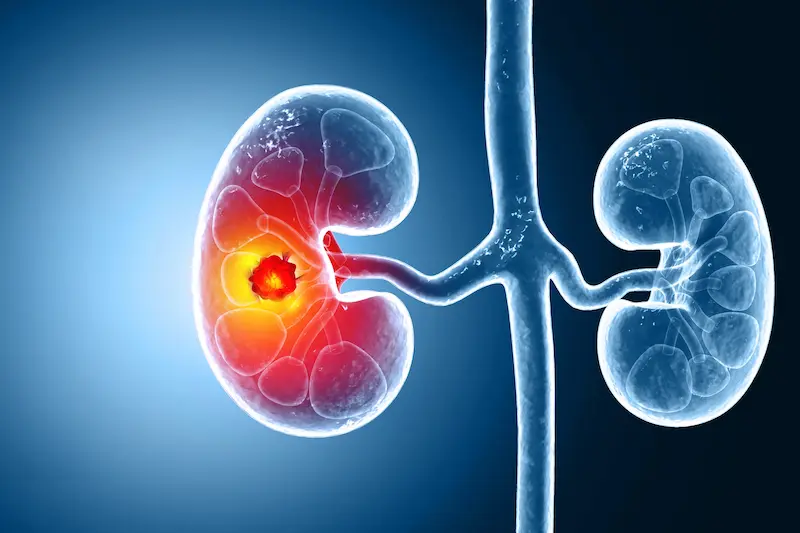
A kidney tumor is an abnormal growth or mass that develops within the kidney tissue. Kidneys are vital organs responsible for filtering waste products from the blood and producing urine. When cells in the kidney begin to grow uncontrollably, they can form a tumor on kidney.
These tumors can be broadly categorized into two types:
- Benign Kidney Tumors: These are non-cancerous growths. They do not spread (metastasize) to other parts of the body and are generally not life-threatening, although they might require treatment if they grow large or cause symptoms. Examples include renal adenomas, oncocytomas, and angiomyolipomas. While less aggressive, monitoring or treatment might still be necessary.
- Malignant Kidney Tumors (Kidney Cancer): These are cancerous growths. They have the potential to invade nearby tissues and spread to other organs, such as the lungs, bones, or brain. The most common type of kidney cancer in adults is renal cell carcinoma (RCC), accounting for approximately 90% of all malignant kidney tumors. Understanding the distinction is crucial for determining the appropriate kidney tumors treatment. Early detection and intervention significantly improve the prognosis for kidney cancer. Seeking timely evaluation is key, and options for kidney tumors treatment in Turkey cover the full spectrum of care.
Types of Kidney Cancer You Should Know
Renal cell carcinoma (RCC) itself is not a single disease but encompasses several subtypes, categorized based on the appearance of the cancer cells under a microscope. Knowing the specific subtype can influence treatment decisions and prognosis. The main types of kidney cancer include:
- Clear Cell RCC (ccRCC): The most common subtype, making up about 70-80% of RCC cases. The name comes from the clear or pale appearance of the cells. It tends to respond better to certain targeted therapies and immunotherapies, which are readily available as part of kidney tumors treatment in Turkey.
- Papillary RCC (pRCC): The second most common type (around 10-15%). These tumors form finger-like projections called papillae. There are two types (Type 1 and Type 2) with differing prognoses.
- Chromophobe RCC (chRCC): Accounts for about 5% of RCCs. These cells are typically larger than other RCC cells and have distinct features. Generally, chromophobe RCC has a better prognosis compared to clear cell RCC.
- Collecting Duct RCC: A rare and often aggressive subtype.
- Unclassified RCC: Tumors that don’t fit into the other categories.
Accurate classification is a cornerstone of effective kidney cancer treatment, and Turkish pathology labs utilize advanced techniques for precise diagnosis. This precision is vital when planning kidney tumors treatment in Turkey.
Causes and Risk Factors of Kidney Cancer
While the exact kidney cancer causes are not always clear, several factors are known to increase the risk of developing kidney tumors. Understanding these can help in prevention and early detection efforts:
- Smoking: Smokers have a significantly higher risk of developing RCC compared to non-smokers. The risk increases with the duration and amount smoked.
- Obesity: Excess body weight is a major risk factor, potentially linked to hormonal changes.
- High Blood Pressure (Hypertension): Individuals with hypertension are at increased risk, although it’s unclear if the condition itself or the medications used to treat it are responsible.
- Chronic Kidney Disease (CKD) and Dialysis: Patients with severe kidney disease or those on long-term dialysis have a higher likelihood of developing kidney carcinoma.
- Genetic and Hereditary Syndromes: Certain inherited conditions, such as von Hippel-Lindau (VHL) disease, Birt-Hogg-Dubé (BHD) syndrome, hereditary papillary renal cell carcinoma (HPRCC), and hereditary leiomyomatosis and renal cell cancer (HLRCC), significantly increase the risk. Genetic counselling is available in Turkey for families with a history.
- Family History: Having a first-degree relative (parent, sibling, child) with kidney cancer increases your risk.
- Exposure to Certain Chemicals: Occupational exposure to substances like cadmium, asbestos, and certain herbicides has been linked to RCC.
- Gender: Men are about twice as likely as women to develop kidney cancer.
- Age: The risk increases with age, with most diagnoses occurring in individuals over 60.
Awareness of these risk factors is important when discussing prevention and screening with healthcare providers, potentially leading to earlier consideration of diagnostic steps or kidney tumors treatment.

Common Symptoms of Kidney Tumors
In the early stages, kidney tumors often cause no noticeable symptoms. They are frequently discovered incidentally during imaging tests like CT scans or MRIs performed for unrelated reasons. However, as a tumor on kidney grows, it can lead to various kidney cancer symptoms:
- Hematuria (Blood in the Urine): This is a common sign, and the urine may appear pink, red, or cola-colored. Even microscopic amounts of blood, invisible to the naked eye, can be detected in urine tests.
- Flank Pain: Persistent pain or ache in the side, between the ribs and hips, or in the lower back, usually on one side.
- A Palpable Mass or Lump: A noticeable lump or swelling in the abdomen or side.
- Unexplained Weight Loss: Significant weight loss without dieting or increased activity.
- Loss of Appetite: Feeling full quickly or having a general lack of appetite.
- Fatigue: Persistent tiredness and lack of energy.
- Fever: Recurrent fever not associated with an infection.
- Anemia: Low red blood cell count, leading to weakness and fatigue.
Experiencing one or more of these symptoms warrants prompt medical evaluation. Early diagnosis is critical for successful kidney cancer treatment. If you notice any potential kidney cancer symptoms, consulting a specialist is the first step towards diagnosis and exploring options like kidney tumors treatment in Turkey.
Diagnosing Kidney Tumors: Tests and Technologies
If you are experiencing symptoms suggestive of a tumor on kidney, or if a mass was detected incidentally during imaging for another reason, your doctor will order specific tests to determine the nature of the growth and whether it is cancerous. Accurate diagnosis is crucial, forming the foundation for effective kidney tumors treatment in Turkey.
CT Scans and MRI for Kidney Tumors
Imaging techniques play a pivotal role in visualizing the kidneys and identifying any abnormal growths. Two of the most important tools in kidney cancer diagnosis are:
- CT Scan (Computed Tomography): A CT scan, also known as a CAT scan, uses X-rays and a computer to create detailed cross-sectional images of your kidneys. Often, a contrast dye is injected into a vein, which highlights the kidneys and surrounding tissues, making it easier to see tumors and assess their size, shape, and location. CT scans are excellent for:
- Detecting kidney tumors, even small ones.
- Determining if a tumor on kidney has spread to nearby structures like lymph nodes or distant organs.
- Helping to differentiate between solid tumors (more likely to be cancerous) and cysts (fluid-filled sacs, usually benign).
- Guiding biopsies (taking a tissue sample for examination).
- Evaluating the response to treatment.
- MRI (Magnetic Resonance Imaging): An MRI uses strong magnets and radio waves, instead of X-rays, to produce detailed images. While a CT scan is usually the first-line imaging test, an MRI can provide additional information, especially in specific situations:
- When a person has an allergy to CT contrast dye or has kidney problems that make CT contrast unsafe.
- To evaluate the veins around the kidneys, especially if surgery is being considered.
- To further characterize a tumor on kidney that is not clearly defined on a CT.
- To assess for spread to the veins around the kidneys.
Both CT scans and MRI are readily available in Turkey’s advanced medical facilities, ensuring high-quality imaging for kidney cancer diagnosis and staging.
Biopsies and Laboratory Tests for Accurate Diagnosis
While imaging provides crucial information, a biopsy is often necessary to confirm whether a tumor on kidney is cancerous and, if so, what type it is. A biopsy involves taking a small sample of tissue from the tumor for examination under a microscope by a pathologist.
- Needle Biopsy: This is the most common type. Guided by imaging (CT scan or ultrasound), a thin needle is inserted through the skin and into the kidney tumor to extract a tissue sample.
- Surgical Biopsy: In rare cases, a surgical procedure may be needed to obtain a larger or more accessible tissue sample.
The pathologist examines the tissue sample, looking for cancerous cells and determining the specific types of kidney cancer, such as renal cell carcinoma. The biopsy report is essential for determining the best course of kidney tumors treatment in Turkey.
In addition to biopsies, several laboratory tests are used to evaluate overall health and kidney function:
- Urine Analysis: To check for blood or other abnormalities.
- Blood Tests: To assess kidney function (creatinine, BUN), liver function, and overall blood counts.
- Complete Blood Count (CBC): To check for anemia.
- Blood Chemistry: To assess general health.
Staging Kidney Cancer: What It Means for Your Treatment
If a tumor on kidney is diagnosed as cancerous, staging is performed. Staging is a process that determines the extent of the cancer – how large the tumor is and whether it has spread. The stage is crucial for guiding treatment decisions and predicting prognosis. A common staging system for renal cell carcinoma is the TNM system:
- T (Tumor): Describes the size and extent of the primary tumor in the kidney.
- N (Nodes): Indicates whether the cancer has spread to nearby lymph nodes.
- M (Metastasis): Indicates whether the cancer has spread to distant organs (like the lungs, bones, brain).
Based on the TNM classification, kidney cancer is assigned a stage from I to IV:
- Stage I: The tumor is small (7 cm or less) and confined to the kidney.
- Stage II: The tumor is larger than 7 cm but still confined to the kidney.
- Stage III: The cancer has spread beyond the kidney to surrounding tissue, like the fat around the kidney, or to nearby lymph nodes.
- Stage IV: The cancer has spread to distant organs. This is also called stage 4 kidney cancer treatment
Determining the stage of the kidney carcinoma is paramount for planning the optimal treatment strategy, including the range of therapies available for kidney tumors treatment in Turkey.
Treatment Options for Kidney Tumors in Turkey
Once a kidney cancer diagnosis is confirmed and the stage is determined, a multidisciplinary team of experts in Turkey will collaborate to recommend the most suitable treatment plan. The choice of therapy depends on several factors, including the type and stage of the kidney cancer, the size and location of the tumor on kidney, the patient’s overall health, and personal preferences. Turkey offers a full spectrum of modern kidney cancer treatment options, from standard surgical procedures to cutting-edge minimally invasive and systemic therapies, ensuring patients receive personalized and effective care. Opting for kidney tumors treatment in Turkey provides access to these world-class options.
Surgical Procedures: Partial and Radical Nephrectomy
Surgery remains the cornerstone of treatment for most stages of kidney cancer, especially when the disease is localized (Stages I, II, and often Stage 3 kidney cancer). The goal is to remove the cancerous tumor while preserving as much kidney function as possible. The two main surgical approaches are:
- Radical Nephrectomy: This procedure involves the complete removal of the affected kidney, along with the attached adrenal gland (which sits atop the kidney), the surrounding fatty tissue, and sometimes nearby lymph nodes. Radical nephrectomy is typically recommended for larger kidney tumors or when the cancer has invaded nearby structures significantly. Historically performed through a large open incision, it is now frequently done using minimally invasive techniques (laparoscopic or robotic surgery) in Turkey, leading to smaller scars, less pain, and faster recovery times. This remains a vital part of kidney tumors treatment in Turkey for appropriate cases.
- Partial Nephrectomy (Nephron-Sparing Surgery): This is often the preferred surgical option, particularly for smaller tumors (generally less than 7 cm, though sometimes possible for larger ones depending on location) and whenever technically feasible. In a partial nephrectomy, the surgeon removes only the tumor on kidney along with a small margin of healthy tissue around it, leaving the rest of the healthy kidney intact. The primary advantage is the preservation of kidney function, which is crucial for long-term health, reducing the risk of developing chronic kidney disease later. This is especially important for patients who already have reduced kidney function or only have one kidney. Turkish surgeons possess extensive expertise in performing complex partial nephrectomies, often utilizing robotic assistance for enhanced precision. This sophisticated approach is a key benefit of seeking kidney tumors treatment in Turkey.
Minimally Invasive Treatments: Cryoablation and RFA
For certain patients, particularly those with smaller kidney tumors (usually less than 3-4 cm) or individuals who are not suitable candidates for major surgery due to age or other health conditions, minimally invasive ablation techniques offer an alternative kidney cancer treatment. These procedures aim to destroy the tumor without surgically removing it. They are typically performed percutaneously (through the skin) using imaging guidance (CT scan or ultrasound). The main types available as part of kidney tumors treatment in Turkey include:
- Cryoablation: This technique uses extreme cold to destroy cancer cells. Thin, needle-like probes are inserted through the skin directly into the tumor on kidney. Argon gas is circulated through the probes to create an ice ball that freezes and kills the tumor tissue.
- Radiofrequency Ablation (RFA): RFA uses heat generated by high-frequency electrical currents. A probe is inserted into the tumor, and energy is delivered to heat and destroy the cancerous cells.
Both cryoablation and RFA are less invasive than traditional surgery, usually involving shorter hospital stays and quicker recovery periods. They are effective options for select cases of renal cell carcinoma.
Advanced Therapies: Immunotherapy and Robotic Surgery
Turkey is at the forefront of utilizing advanced technologies and therapies in the fight against kidney cancer, offering patients access to the latest treatment innovations.
- Systemic Therapies (Immunotherapy & Targeted Therapy): For kidney cancer that has spread (metastatic or Stage IV) or has a high risk of recurrence, systemic therapies are often used. Unlike surgery or ablation which target the tumor directly, these treatments circulate throughout the body.
- Immunotherapy: This has revolutionized the treatment of advanced renal cell carcinoma. These drugs work by harnessing the patient’s own immune system to recognize and attack cancer cells. Checkpoint inhibitors (like PD-1/PD-L1 and CTLA-4 inhibitors) are commonly used, often improving survival rates significantly for stage 4 kidney cancer treatment.
- Targeted Therapy: These drugs target specific molecules or pathways involved in cancer cell growth, division, and blood vessel formation (angiogenesis). They are often used as a primary treatment for advanced kidney carcinoma or sometimes in combination with immunotherapy. Access to these advanced medications is a key component of comprehensive kidney tumors treatment in Turkey.
- Robotic Surgery (e.g., da Vinci Surgical System): This represents a significant advancement in minimally invasive surgery for kidney tumors. Used for both radical and partial nephrectomy, the robotic system provides surgeons with magnified 3D high-definition vision and highly precise, tremor-filtered instrument control through tiny incisions. Benefits often include:
- Enhanced surgical precision, especially during delicate partial nephrectomies.
- Smaller incisions, leading to less scarring.
- Reduced blood loss and lower transfusion rates.
- Less post-operative pain.
- Shorter hospital stays and faster return to normal activities. Turkish hospitals specializing in kidney tumors treatment in Turkey have invested heavily in robotic surgery platforms and boast highly experienced surgeons proficient in these techniques.
While less commonly used as primary treatment for RCC, radiation therapy might be employed palliatively to relieve symptoms like pain from bone metastases. Chemotherapy generally has a limited role in treating the most common types of kidney cancer (renal cell carcinoma) but may be used for rarer types like transitional cell carcinoma. The availability of these sophisticated options solidifies Turkey’s position as a leading destination for kidney tumors treatment in Turkey.

Cost of Kidney Tumor Treatment in Turkey
One of the primary reasons international patients increasingly choose Turkey for medical procedures is the significant cost advantage compared to countries in North America, Western Europe, and the Middle East. This is particularly true for complex treatments like those for kidney tumors. However, it’s crucial to understand that the lower cost of kidney cancer treatment in Turkey does not imply a compromise on quality. Patients seeking kidney tumors treatment in Turkey benefit from internationally accredited hospitals, cutting-edge technology like robotic surgery, highly skilled surgeons, and comprehensive care, all at a fraction of the price they might encounter in their home countries.
Average Prices in Istanbul, Antalya, and Other Cities
While providing exact figures is challenging due to the personalized nature of medical treatments, we can offer indicative ranges for common procedures associated with kidney tumors treatment in Turkey. Please note that these are estimates and can vary based on the specific hospital, surgeon, complexity of the case, and other factors. Always request a personalized quote.
- Initial Consultation & Diagnostics: This includes specialist consultations, detailed blood work, urine analysis, and imaging like CT scans or MRI. Costs are generally significantly lower than in Western countries.
- Biopsy: A guided needle biopsy to confirm kidney cancer diagnosis is typically very affordable.
- Partial Nephrectomy:
- Open: May range from approximately $6,000 – $10,000 USD.
- Laparoscopic: May range from approximately $8,000 – $14,000 USD.
- Robotic: Often considered the gold standard for complex cases, may range from approximately $12,000 – $20,000+ USD.
- Radical Nephrectomy:
- Open: May range from approximately $5,000 – $9,000 USD.
- Laparoscopic/Robotic: May range from approximately $7,000 – $15,000+ USD.
- Ablation Therapies (Cryoablation/RFA): These minimally invasive options might range from $5,000 – $10,000 USD per session.
- Systemic Therapies (Immunotherapy/Targeted Therapy): The cost for these advanced treatments, often used for stage 4 kidney cancer treatment, varies dramatically based on the specific drug(s) used, the dosage, and the required duration of treatment. While the drugs themselves have a global cost basis, the administration and associated care costs in Turkey are typically lower. Costs can range from several thousand to tens of thousands of dollars per cycle or month.
Costs in major hubs like Istanbul and Antalya might be slightly higher than in other cities due to demand and operational expenses, but high standards of care are maintained across reputable centers throughout Turkey offering kidney tumors treatment in Turkey.
What Affects the Cost of Kidney Cancer Treatment?
Several factors contribute to the final invoice for your kidney tumors treatment in Turkey:
- Procedure Complexity: A straightforward radical nephrectomy for a localized tumor will generally cost less than a complex robotic partial nephrectomy preserving kidney function, or extensive surgery for stage 3 kidney cancer involving lymph nodes.
- Technology Used: Robotic surgery involves higher initial investment and operational costs for the hospital, reflected in the patient price, compared to laparoscopic or open surgery.
- Stage of Cancer: Advanced stages (stage 4 kidney cancer treatment) often require a combination of therapies (surgery plus immunotherapy or targeted therapy), significantly increasing overall costs.
- Hospital Choice: Prices differ between university hospitals, large private hospital chains, and specialized boutique clinics. Choosing the best clinic for kidney tumors treatment in Turkey for your specific needs might involve comparing quotes.
- Surgeon’s Expertise: Highly experienced surgeons, often recognized as the best doctor for kidney tumors treatment in Turkey, may command higher fees.
- Hospital Stay: The duration of stay, including any time needed in an Intensive Care Unit (ICU), impacts the cost.
- Medications: Particularly the cost of advanced drugs like specific immunotherapy agents.
- Diagnostic Requirements: The number and type of pre-operative tests (CT scan, MRI, PET-CT, biopsies) needed.
- Package Inclusions: Medical tourism packages often bundle costs like airport transfers, accommodation, and translation services, affecting the total price but adding convenience.
Insurance and Payment Options for International Patients
Financing kidney tumors treatment in Turkey requires careful planning:
- International Insurance: Some international health insurance policies may cover treatment abroad. It is essential to contact your provider well in advance, understand the specifics of your coverage for care in Turkey, and obtain pre-authorization. Be prepared to provide detailed medical reports and treatment plans. Many Turkish hospitals have experience working with international insurers.
- Self-Payment: Due to the substantial cost savings, many international patients opt to pay for their treatment directly (out-of-pocket). Hospitals usually provide detailed cost estimates beforehand.
- Medical Tourism Facilitators: Organizations like ours specialize in assisting international patients. We can provide transparent, all-inclusive packages covering the medical procedure, hospital fees, surgeon fees, accommodation, local transportation, and translation services, simplifying the financial process for your kidney tumors treatment in Turkey.
- Payment Methods: Reputable Turkish hospitals accept various payment methods, including international bank transfers, major credit cards (Visa, MasterCard), and sometimes cash (USD or Euro). Payment schedules, such as requiring a deposit to secure booking and final payment before or upon admission, are common.
Understanding the cost structure and payment options allows patients to plan effectively for their life-saving kidney tumors treatment in Turkey.
Why Choose Turkey for Kidney Tumor Treatment?
Selecting where to receive treatment for a serious condition like kidney cancer is a major decision. Increasingly, international patients are choosing Turkey, drawn by a unique combination of high-quality medical care, advanced technology, experienced specialists, and significant cost savings. Opting for kidney tumors treatment in Turkey is not just about affordability; it’s about accessing world-class healthcare in a supportive and accessible environment. Let’s explore the key advantages.
Best Clinics and Doctors for Kidney Tumors in Turkey
Turkey’s healthcare system has undergone remarkable development, positioning it as a global leader in various medical fields, including oncology and urology.
- Internationally Accredited Hospitals: Many of Turkey’s leading hospitals, especially those catering to international patients in cities like Istanbul, Ankara, and Antalya, hold prestigious international accreditations, such as from the Joint Commission International (JCI). This accreditation signifies adherence to the highest global standards in patient care, safety, and operational efficiency, ensuring you receive reliable kidney tumors treatment in Turkey. Finding the best clinic for kidney tumors treatment in Turkey often starts by looking for these quality benchmarks.
- Specialized Oncology and Urology Centers: Turkey boasts numerous hospitals with dedicated centers of excellence for cancer care and urological diseases. These centers bring together expert teams focused specifically on conditions like renal cell carcinoma. They are equipped to handle everything from routine diagnoses using advanced CT scan and MRI technology to complex surgical procedures and advanced systemic therapies like immunotherapy.
- Highly Skilled and Experienced Surgeons: Turkish urologists and oncologic surgeons are renowned for their expertise and high volume of procedures. Many have received training in Europe or the United States and are pioneers in adopting minimally invasive techniques. You can find surgeons who are exceptionally skilled in complex procedures like nerve-sparing robotic surgery for partial nephrectomy, maximizing cancer removal while preserving kidney function. Identifying the best doctor for kidney tumors treatment in Turkey for your specific case is often facilitated by medical tourism providers who understand the specialists’ areas of expertise.
- State-of-the-Art Technology: Turkish hospitals continuously invest in the latest medical technologies. This includes advanced diagnostic imaging (high-resolution MRI, multi-detector CT scan, PET-CT scans), cutting-edge surgical platforms (like the da Vinci robotic system), modern radiotherapy equipment (if needed for palliative care), and advanced pathology labs for accurate kidney cancer diagnosis and subtyping. This technological infrastructure supports superior outcomes for kidney tumors treatment in Turkey.
- Multidisciplinary Team Approach: The standard of care in top Turkish centers involves a multidisciplinary tumor board. Experts including urologic surgeons, medical oncologists, radiation oncologists, radiologists, and pathologists meet to review complex cases, ensuring that each patient receives a personalized and comprehensive treatment plan for their kidney carcinoma. This collaborative approach is fundamental to high-quality kidney cancer treatment.
International Patient Services and Language Support
Recognizing the unique needs of patients traveling from abroad, leading Turkish hospitals have established robust international patient departments designed to provide seamless and stress-free experiences.
- Dedicated Support Teams: These departments act as a primary point of contact, assisting patients from their initial inquiry through to their follow-up care after returning home.
- Language Services: Overcoming language barriers is a priority. Hospitals employ multilingual staff and provide professional medical interpretation services in numerous languages, including English, Arabic, Russian, German, French, and more, ensuring clear communication during your kidney tumors treatment in Turkey.
- Logistical Assistance: International patient coordinators help with practical arrangements, such as providing invitation letters for visa applications (if needed), coordinating airport transfers, arranging suitable accommodation near the hospital, and scheduling all medical appointments.
- Cultural Comfort: Turkey is known for its warm hospitality. Medical staff are accustomed to caring for patients from diverse cultural backgrounds, ensuring a respectful and comfortable environment throughout the treatment journey.
- Accessibility: Strategically located at the crossroads of Europe and Asia, Turkey is easily reachable via major international airports with numerous direct flights from cities across the globe, simplifying travel for kidney tumors treatment in Turkey.
Patient Testimonials: Real Experiences, Real Results
Hearing directly from patients who have already undergone kidney tumors treatment in Turkey can be incredibly reassuring and informative. Testimonials provide real-world perspectives on the quality of care and patient experience.
- Sources of Information: Prospective patients can often find testimonials on the websites of reputable hospitals and medical tourism facilitators (like our organization). Independent health tourism portals and patient forums can also offer valuable insights.
- Common Themes: Patient stories frequently highlight the exceptional skill and compassion of the Turkish doctors and nurses, the efficiency and modernity of the hospital facilities, the effectiveness of the treatments received (including successful robotic surgery or partial nephrectomy), the helpfulness of the international patient services, and the significant value derived from the affordable cost combined with high-quality care.
- Building Confidence: Reading about positive outcomes and satisfactory experiences can significantly build trust and alleviate anxieties for those considering traveling abroad for sensitive procedures like kidney cancer treatment. These firsthand accounts underscore why Turkey has become such a trusted destination for complex medical care.
These factors collectively contribute to making kidney tumors treatment in Turkey a compelling option for international patients seeking expert care, advanced technology, comprehensive support, and affordable excellence.
Aftercare and Recovery: What to Expect
Successfully completing your kidney tumors treatment in Turkey is a significant milestone, but the journey doesn’t end there. The aftercare and recovery phase is just as critical for ensuring the best possible long-term outcome and regaining your quality of life. Understanding what to expect during this period, from immediate post-operative care to long-term monitoring and lifestyle adjustments, helps patients feel more prepared and confident. Comprehensive planning for recovery is an integral part of the service provided by top Turkish medical centers.
Preparing for Your Treatment Journey
Thorough preparation before traveling for your kidney tumors treatment in Turkey can significantly smooth the process and reduce stress.
- Gather Your Medical History: Compile all relevant documents, including previous diagnoses, imaging reports (CT scan, MRI, ultrasound), biopsy results, details of prior treatments, a list of current medications and allergies, and contact information for your home doctors. Providing these to your Turkish medical team in advance is essential.
- Consultations and Planning: You will likely have initial consultations (potentially via video calls) with your Turkish surgeon or oncologist to discuss your case, review diagnostics, confirm the proposed treatment plan (e.g., robotic surgery, partial nephrectomy, immunotherapy), and understand the expected outcomes and risks.
- Logistical Arrangements: Coordinate your travel dates, flights, visa requirements (if applicable for your nationality), and accommodation in Turkey. Medical tourism facilitators can greatly assist with these arrangements. Ensure you understand the estimated duration of stay needed for the procedure and initial recovery period.
- Financial Clarity: Confirm the total estimated cost of your kidney cancer treatment package and understand the payment schedule. Ensure funds are accessible.
- Pack Smart: Include comfortable, loose-fitting clothing suitable for post-surgery recovery, all necessary personal hygiene items, your regular medications (with prescriptions), and all travel/medical documents.
- Arrange Support: If possible, arrange for a family member or friend to accompany you for support during your kidney tumors treatment in Turkey.
- Pre-Arrival Communication: Stay in touch with your international patient coordinator in Turkey to confirm arrival details and pre-operative appointment schedules.
- Pre-Operative Steps in Turkey: Upon arrival, you’ll typically undergo final pre-operative assessments, which may include blood tests, EKG, meetings with your surgeon and anesthesiologist, and signing consent forms.
Post-Operative Care and Long-Term Monitoring
The care you receive immediately after your procedure and the monitoring plan for the years ahead are vital components of your kidney tumors treatment in Turkey.
- Immediate Post-Procedure (In-Hospital):
- Recovery Area: After surgery (radical nephrectomy or partial nephrectomy) or ablation, you’ll initially be monitored closely in a recovery room.
- Hospital Ward: Once stable, you’ll be transferred to a hospital room. Care will focus on pain management (medications will be provided), monitoring vital signs, caring for surgical incisions or probe sites, managing any temporary drains, and preventing complications like infection or blood clots.
- Mobilization: You’ll be encouraged to start moving and walking as soon as it’s safe, usually within a day after surgery, to aid recovery and prevent complications.
- Diet: Your diet will gradually progress from liquids to solid foods as your digestive system recovers.
- Length of Stay: Hospital stay duration varies. Minimally invasive surgery (laparoscopic/robotic) or ablation often requires 1-3 days, while open surgery might necessitate 3-7 days or more, depending on the complexity and your recovery speed.
- Discharge Planning: Before leaving the hospital, you’ll receive detailed instructions on wound care, permitted activity levels (avoiding heavy lifting initially), medications, signs of potential complications to watch for, and scheduled follow-up appointments.
- Initial Recovery (Post-Discharge in Turkey): It’s generally recommended to stay in Turkey for a period after hospital discharge (e.g., 1-2 weeks) for initial recovery and follow-up. This allows your surgeon to monitor your healing progress, remove stitches or staples if necessary, and address any immediate concerns before you undertake international travel.
- Long-Term Monitoring (Back Home): Surveillance after kidney cancer treatment is crucial for detecting any potential recurrence early.
- Follow-up Schedule: You will need regular follow-up appointments with your local urologist or oncologist, who should coordinate with your Turkish medical team. The frequency depends on the cancer stage and risk factors but is often every 3-6 months initially, gradually becoming less frequent over time.
- Imaging: Periodic imaging tests (CT scan, MRI, chest X-ray, or ultrasound) are standard practice to monitor the treated area and check for any signs of cancer spread. The type and frequency of scans will be determined by your doctor.
- Lab Tests: Regular blood tests (to check kidney function, especially after nephrectomy) and urine tests are part of routine follow-up.
- Communication: Maintain open communication channels with both your local doctor and your Turkish medical team.
Life After Treatment: Recovery and Lifestyle Changes
Recovering fully from kidney tumors treatment in Turkey takes time and patience. Embracing healthy lifestyle habits can aid recovery and improve long-term well-being.
- Recovery Pace: Expect recovery to be gradual. Fatigue is common after major surgery or systemic therapy like immunotherapy. Allow your body the time it needs to heal – this can range from several weeks to a few months.
- Kidney Function: If you had a radical nephrectomy (one kidney removed) or significant partial nephrectomy, your remaining kidney tissue generally compensates well. However, regular monitoring of kidney function is important. Your doctor may advise specific dietary adjustments (like managing protein intake or hydration) based on your kidney health.
- Healthy Lifestyle:
- Diet: Focus on a balanced diet rich in fruits, vegetables, and whole grains. Staying well-hydrated is crucial for kidney health. Limit sodium intake, especially if you have high blood pressure.
- Exercise: Once cleared by your doctor, gradually resume physical activity. Regular exercise boosts energy levels, improves mood, and contributes to overall health.
- Quit Smoking: If you smoke, quitting is one of the most important steps you can take for your overall health and to reduce the risk of cancer recurrence.
- Manage Blood Pressure: Keep blood pressure under control through lifestyle changes and medication if needed.
- Emotional Well-being: A cancer diagnosis and treatment can be emotionally challenging. Don’t hesitate to seek1 support from family, friends, support groups, or mental health professionals if you experience anxiety, depression, or stress.
- Moving Forward: Life after kidney cancer treatment often involves a new perspective on health. Focus on recovery, adhere to your follow-up schedule, and embrace healthy habits to enjoy a fulfilling life after your successful kidney tumors treatment in Turkey.
Frequently Asked Questions About Kidney Tumors
Navigating a diagnosis of a kidney tumor naturally brings up many questions. This section aims to answer some of the most common queries patients have, particularly regarding prognosis, treatment options for different stages, and how to select the right care provider when considering kidney tumors treatment in Turkey.
Is Kidney Cancer Curable?
This is often the first question on a patient’s mind. The answer depends heavily on the stage of the kidney cancer at diagnosis:
1. Localized Kidney Cancer (Stages I, II, and some Stage III): Yes, when kidney cancer is confined to the kidney or has only spread minimally to nearby tissues, it is often curable. Surgery, either a partial nephrectomy (removing only the tumor) or a radical nephrectomy (removing the entire kidney), is the primary treatment with curative intent. The success rates for curing early-stage renal cell carcinoma are generally high, especially with prompt and expert treatment like that available through kidney tumors treatment in Turkey. Early detection significantly increases the likelihood of a cure.
2. Advanced Kidney Cancer (some Stage III and Stage IV): When kidney cancer has spread extensively to nearby lymph nodes or distant organs (metastasis), achieving a complete cure becomes more challenging. However, significant advancements in treatment, particularly with immunotherapy and targeted therapy, have dramatically improved outcomes. While a cure might not always be possible, these treatments can often control the cancer for long periods, shrink tumors, manage symptoms, and significantly extend survival while maintaining a good quality of life. The focus for advanced stages is often on long-term management and control.
Therefore, while a cure is most likely for early-stage disease, modern kidney cancer treatment offers substantial hope and benefit even for advanced stages.
What Is the Best Treatment for Stage 3 and 4 Kidney Cancer?
The optimal treatment approach differs significantly between Stage 3 and Stage 4 kidney cancer:
1. Stage 3 Kidney Cancer: This stage indicates the cancer has grown larger or spread into major veins, the adrenal gland, surrounding fatty tissue, or nearby lymph nodes, but not to distant organs.
– Surgery often remains a key part of the treatment, typically a radical nephrectomy, potentially including removal of affected lymph nodes (lymphadenectomy). In some select cases, a complex partial nephrectomy might still be possible using techniques like robotic surgery.
– Adjuvant Therapy: Following surgery, adjuvant therapy (additional treatment to reduce recurrence risk) with immunotherapy might be considered for patients deemed at high risk, based on individual pathology results. This is an evolving area discussed with your oncologist. Planning for potential adjuvant therapy is part of comprehensive kidney tumors treatment in Turkey.
2. Stage 4 Kidney Cancer Treatment: In this stage, the cancer has metastasized to distant organs (like lungs, bones, liver, brain) or distant lymph nodes.
– Systemic Therapy is usually the cornerstone of treatment. This includes:
a. Immunotherapy: Often using combinations of checkpoint inhibitors, which have become a standard first-line treatment for many patients.
b. Targeted Therapy: Drugs targeting specific pathways like VEGF (involved in blood vessel formation) are also widely used, either alone, in sequence, or sometimes combined with immunotherapy.
– Surgery (Cytoreductive Nephrectomy): In some specific situations, even with metastasis, surgically removing the primary tumor on kidney might be beneficial before starting systemic therapy, particularly if it’s causing significant symptoms or if the patient is otherwise fit and expected to respond well to drug treatment.
– Palliative Care: Treatments like radiation therapy may be used to manage symptoms caused by metastases (e.g., bone pain).
It’s crucial to understand there’s no single “best” treatment for everyone. The optimal strategy for stage 3 kidney cancer or stage 4 kidney cancer treatment is highly personalized, considering the specific subtype of kidney carcinoma, the extent and location of spread, the patient’s overall health, and response to previous treatments. This decision is best made by a multidisciplinary team, a standard approach in leading centers offering kidney tumors treatment in Turkey.
How to Choose the Right Clinic and Doctor in Turkey?
Selecting the right provider is vital for successful kidney tumors treatment in Turkey. Here are key factors to consider:
1. Accreditation and Specialization: Prioritize hospitals with international accreditation (e.g., JCI) and strong, dedicated urology and oncology departments experienced in treating kidney tumors. Look for centers recognized for their expertise in kidney cancer treatment.
2. Surgeon/Oncologist Expertise: Research the credentials of potential doctors. Look for board certification in urology or medical oncology, specific fellowship training in urologic oncology, extensive experience in kidney cancer surgery (especially robotic surgery or complex partial nephrectomy if relevant to you), and a high volume of treated cases. Don’t hesitate to ask about their specific experience and outcomes. Finding the best doctor for kidney tumors treatment in Turkey requires research.
3. Technological Capabilities: Ensure the clinic possesses advanced diagnostic tools (CT scan, MRI, PET-CT) and the specific treatment technologies you might need (e.g., da Vinci robot, ablation equipment, access to modern immunotherapy drugs).
4. Multidisciplinary Approach: Confirm that the hospital utilizes a tumor board or multidisciplinary team approach to review cases and formulate treatment plans. This ensures comprehensive consideration of your case.
5. International Patient Support: Evaluate the responsiveness, language capabilities (interpreters), and comprehensiveness of the international patient department. Good support services significantly ease the process.
6. Communication and Transparency: Choose a team that communicates clearly, answers all your questions patiently, explains treatment options thoroughly, and provides transparent, detailed cost estimates for your kidney tumors treatment in Turkey.
7. Reviews and Reputation: While taking them with context, consider patient testimonials and reviews from reliable sources.
8. Utilize Facilitators: Reputable medical tourism agencies (like ours) have often pre-vetted hospitals and doctors. We can provide curated options based on your specific needs and help you connect with the best clinic for kidney tumors treatment in Turkey and the most suitable specialists, simplifying your decision-making process.
By carefully considering these factors, you can confidently choose a high-quality provider for your kidney tumors treatment in Turkey.
We hope this comprehensive guide has been informative for understanding your options for kidney tumors treatment in Turkey. As a major healthcare facilitator, we are proud to connect international patients with Turkey’s leading specialists and JCI-accredited hospitals across a wide spectrum of medical fields. Beyond expert urological oncology, our network excels in providing high-quality, affordable care for various conditions.
If you or someone you know is considering treatment in Turkey, we invite you to explore information on our website about other advanced procedures, including state-of-the-art breast cancer surgery, robotic prostatectomy for prostate cancer, minimally invasive gynecological surgeries like hysterectomy and myomectomy, common procedures such as umbilical hernia repair and hemorrhoidectomy, complex gastrointestinal surgeries like small intestine resection and stomach resection, other kidney surgeries (nephrectomy for various reasons), as well as a comprehensive range of aesthetic and reconstructive plastic surgery options. Visit our treatment pages to learn more about how Turkey combines medical excellence with compassionate care across numerous specialties.