
Turkey has rapidly emerged as a premier destination for dental treatments, attracting thousands of international patients every year. Among the most sought-after treatments is the dental bridge in Turkey, a highly effective restorative dentistry procedure that restores both aesthetics and function for patients missing one or several teeth. Renowned for its advanced dental clinics, internationally accredited dentists, and highly competitive pricing, Turkey—especially Istanbul—offers patients exceptional quality and care. With dental bridge costs significantly lower compared to countries like the USA, UK, and European nations, it’s no surprise that increasing numbers of patients opt for dental bridge installation in Turkey, combining high-quality dental care with the added benefit of enjoying Turkey’s rich cultural heritage and scenic beauty.
Table of Contents
What Is a Dental Bridge?
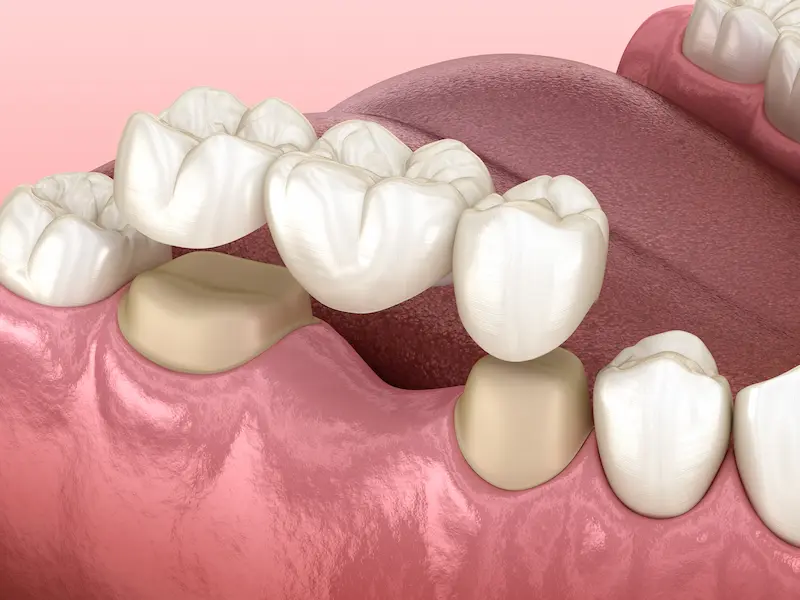
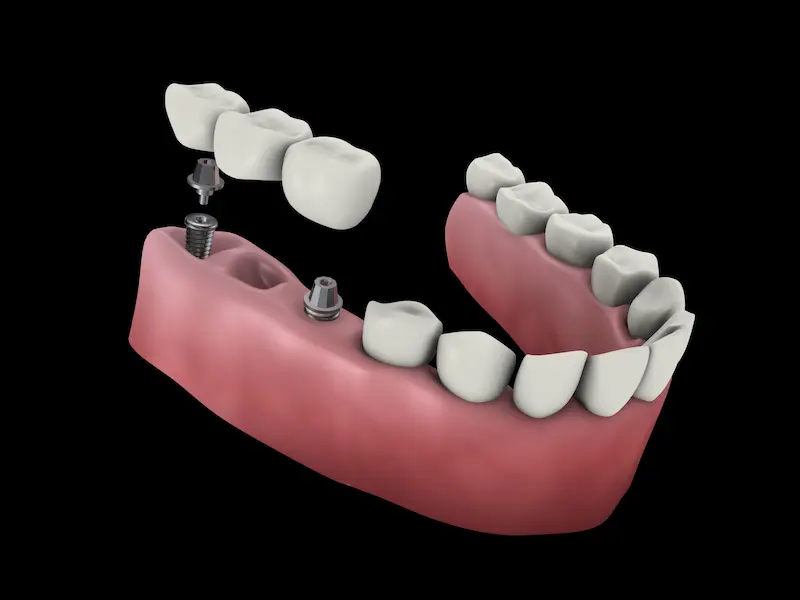
A dental bridge is a custom-made dental restoration that replaces missing teeth by bridging the gap where one or more teeth have been lost. It typically consists of artificial teeth, known as pontics, anchored by dental crowns placed on adjacent natural teeth or dental implants. This structure not only restores the natural appearance of your smile but also maintains oral functionality, allowing patients to chew and speak comfortably.
Dental bridges are crafted from various materials such as porcelain, ceramic, zirconia, or metal alloys, each offering specific aesthetic and durability benefits. Whether replacing missing front teeth or restoring molars, dental bridges provide an effective and lasting solution for tooth loss.
How Is Dental Bridge Installation Performed?
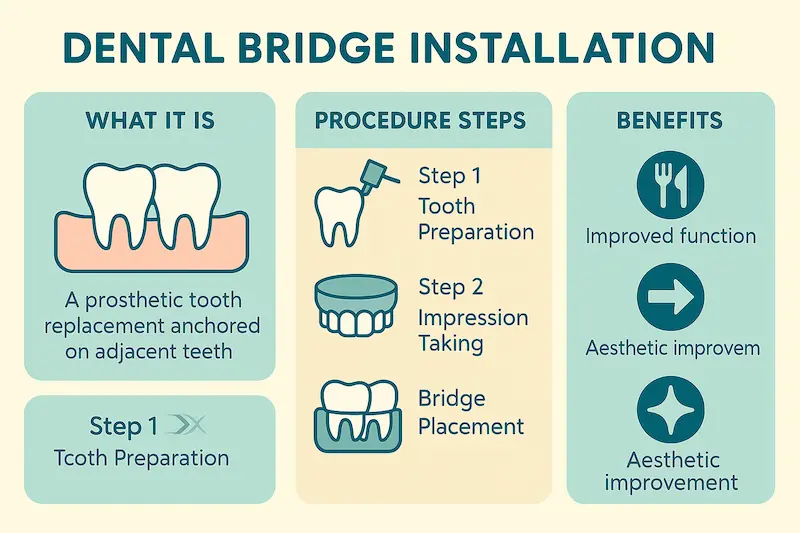
The process of dental bridge installation in Turkey involves several meticulous steps, ensuring precision and long-term durability. Typically, the procedure begins with an initial dental examination, where your dentist assesses your oral health, takes X-rays, and discusses the best type of bridge suitable for your specific condition.
During the actual dental bridge procedure, adjacent teeth or implants (known as abutments) are prepared to support the bridge. The dentist carefully shapes these abutment teeth, removing a small portion of enamel to accommodate crowns securely. Precise impressions of your teeth are then taken to create a perfectly fitting dental bridge.
While waiting for the permanent bridge, patients may receive a temporary bridge dental solution to protect prepared teeth. Once the final bridge is ready, it is carefully positioned and adjusted before being permanently cemented in place, resulting in an aesthetically pleasing and fully functional dental restoration.
Types Of Dental Bridges
There are several types of dental bridges available in Turkey, each tailored to meet individual patient needs. Understanding these options can help you make an informed decision regarding the best choice for your dental health.
Traditional Dental Bridge
The traditional dental bridge is the most common type, consisting of one or more pontics anchored by crowns cemented onto adjacent teeth. This type of bridge is highly durable and typically made from porcelain fused to metal (PFM) or ceramics, making it suitable for both front and back teeth replacements.
Cantilever Bridge
A cantilever bridge dental is similar to the traditional bridge, but it is anchored only on one side, making it ideal when there’s only one suitable tooth adjacent to the missing space. Cantilever bridges are often used for replacing a single tooth, particularly in areas subjected to less chewing force, such as front teeth.
Maryland Dental Bridge (Resin-Bonded Bridge)
A Maryland dental bridge, or resin-bonded bridge, employs a conservative approach involving minimal tooth preparation. It includes a pontic attached by thin metal or ceramic wings bonded to the back of adjacent teeth. Often used for front teeth restorations, it provides an aesthetic result without extensive tooth modification.
Implant-Supported Bridge
The implant-supported dental bridge offers superior stability by anchoring directly to dental implants surgically inserted into the jawbone. Ideal for replacing multiple missing teeth, implant-supported bridges reduce strain on natural teeth and prevent bone loss, enhancing oral health and functionality long-term.
Dental Bridge Installation Techniques
To achieve optimal results, dentists in Turkey utilize various sophisticated dental bridge installation techniques, each chosen according to the specific needs and oral conditions of the patient.
Tooth Preparation Technique
The tooth preparation technique involves reshaping adjacent teeth by removing enamel to securely accommodate the crowns of a traditional or cantilever bridge. This preparation ensures a snug fit and stable anchorage for the bridge, essential for durability and comfort.
Resin-Bonded (Maryland) Technique
Used specifically for the Maryland dental bridge, this technique requires minimal preparation of the adjacent teeth, preserving natural tooth structure. It involves attaching the bridge to the back surfaces of neighboring teeth using strong dental resin, providing an aesthetically pleasing result.
Cementation Technique
The cementation technique refers to securely affixing the bridge in place with dental cement, often employed with traditional and cantilever bridges. This method ensures a strong, long-lasting hold, preventing movement and discomfort.
Screw-Retained Technique (for Implant-Supported Bridges)
In the screw-retained technique for implant-supported bridges, the bridge is directly attached to dental implants using screws, allowing easy removal by the dentist if maintenance or adjustments are necessary. This technique facilitates hygiene and long-term care.
Cement-Retained Technique (for Implant-Supported Bridges)
With the cement-retained approach, implant-supported bridges are permanently fixed using dental cement. Offering a seamless appearance and secure hold, this technique is often preferred for its superior aesthetics.
CAD/CAM Technique
The innovative CAD/CAM technique utilizes computer-aided design and manufacturing technologies to create precise, custom-fit dental bridges. This technology ensures unmatched accuracy, significantly reducing the waiting period and enhancing patient comfort.
Material Types for Dental Bridges
Selecting the right material for your dental bridge in Turkey significantly impacts the appearance, durability, and functionality of your restoration. Turkish dental clinics offer multiple high-quality materials tailored to individual needs and preferences.
Porcelain-Fused-to-Metal (PFM)
Porcelain-fused-to-metal (PFM) bridges combine a robust metal framework with a porcelain exterior, offering both durability and aesthetic appeal. PFM bridges closely resemble natural teeth, making them popular for replacing both front dental bridges and posterior teeth. The metal framework ensures strength, while porcelain provides a natural, tooth-like appearance.
However, over time, gum recession may reveal the metal substructure, slightly compromising aesthetics. Despite this, PFM bridges remain a popular and cost-effective option, widely utilized in dental bridge installation in Turkey.
All-Ceramic or Zirconia
All-ceramic or zirconia bridges are highly favored for their exceptional aesthetic results, particularly for visible teeth restorations. Zirconia is renowned for its incredible strength, durability, and biocompatibility, making it suitable for patients with metal sensitivities or allergies. These bridges offer translucency and appearance remarkably similar to natural teeth, making them ideal for front dental bridge replacements.
All-ceramic bridges are stain-resistant, long-lasting, and widely preferred by patients seeking superior aesthetics alongside durability. The advanced dental technology in Turkey ensures precise crafting of zirconia bridges, enhancing patient satisfaction.
Metal Bridges (Gold alloys)
Metal bridges, particularly those made from gold alloys, have historically been the preferred choice due to their exceptional durability and longevity. They withstand high biting forces without fracturing, making them ideal for back teeth restorations where aesthetic visibility is less critical.
Although gold alloys offer excellent strength and durability, their metallic appearance makes them less popular for visible teeth. Nonetheless, some patients opt for gold alloy bridges for their longevity and minimal impact on adjacent teeth.
Dental Bridge vs Dental Implant
Choosing between a dental bridge and a dental implant involves several considerations, including oral health conditions, aesthetic preferences, treatment duration, and budget. Understanding the distinctions can help patients decide the most appropriate treatment.
A dental implant bridge involves surgically inserting implants into the jawbone to anchor replacement teeth. Implants offer superior stability, prevent bone loss, and do not require modification of adjacent teeth. However, the process involves surgery and several months for healing.
In contrast, a dental bridge procedure typically requires reshaping healthy adjacent teeth to anchor the artificial tooth or teeth. This approach is less invasive and quicker, with restoration usually completed within two dental visits. Bridges provide immediate restoration, while implants necessitate a more extended treatment timeline.
While implants offer longer-lasting solutions, dental bridges are less expensive initially, making them highly attractive for patients seeking cost-effective tooth replacement. The cost of a dental bridge is generally more affordable than implants, especially in Turkey, which significantly attracts international patients.
Which Dental Bridge Type is Better
Determining the best type of dental bridge in Turkey depends on several factors, including the patient’s oral health, location of the missing teeth, aesthetic expectations, and budget.
• Traditional dental bridges offer a balanced solution suitable for most scenarios, providing strong, natural-looking replacements, especially when both adjacent teeth are healthy and stable.
• Cantilever bridge dental options are suitable for areas with only one adjacent supporting tooth, ideal for less force-intensive regions like front teeth.
• Maryland dental bridges provide conservative tooth replacement, best suited for patients looking to preserve their natural tooth structure with minimal intervention.
• Implant-supported bridges represent the highest standard of tooth replacement, ideal for patients seeking the most durable, long-term solutions with superior stability and functionality.
Ultimately, the “better” bridge type is individualized, determined by a professional dental consultation in Turkey, where highly experienced dentists provide personalized recommendations tailored specifically to each patient’s needs.
Preparing for Dental Bridge Installation Procedure: Important Guidelines Before the Procedure?
Preparing appropriately for your dental bridge installation in Turkey enhances the success and comfort of the procedure. Below are essential guidelines to follow before undergoing the treatment:
1. Initial Consultation: Attend a thorough dental consultation. The dentist will assess your oral health, conduct necessary imaging tests, and recommend the optimal bridge type and materials suitable for your case.
2. Maintain Oral Hygiene: Prioritize excellent oral hygiene practices, including regular brushing, flossing, and professional dental cleaning before your appointment. This ensures a healthy foundation for the bridge procedure.
3. Address Existing Dental Issues: Any underlying dental problems, such as gum disease or cavities, must be treated beforehand. Resolving these conditions beforehand ensures optimal healing and the longevity of your dental bridge.
4. Stop Smoking and Limit Alcohol: Avoid tobacco products and limit alcohol consumption for at least a week before and after your procedure, as these substances can interfere with healing and integration of the dental bridge.
5. Medication Disclosure: Inform your dentist of all medications, supplements, and health conditions. Certain medications, particularly blood thinners, may require adjustments before the procedure.
6. Arrange Accommodation and Transportation: Especially relevant for international patients traveling to Turkey, it’s advisable to pre-arrange comfortable accommodations and transportation for your treatment and recovery period, often included in all-inclusive dental bridge packages in Turkey.
Following these preparatory guidelines significantly contributes to a smooth and successful dental bridge installation experience in Turkey.
Dental Bridge Installation Procedure Step by Step
Understanding the detailed steps involved in the dental bridge installation procedure can significantly alleviate patient anxiety and enhance satisfaction with results. Here’s a comprehensive, step-by-step guide to the procedure of getting a dental bridge in Turkey:
Step 1: Initial Consultation and Examination
Your dental journey begins with an initial consultation, where your dentist performs a thorough oral examination, evaluates your dental health history, and takes necessary X-rays or digital scans. At this stage, dentists in Turkey determine the most suitable type of dental bridge and discuss expected outcomes, including before and after dental bridge scenarios.
Step 2: Tooth Preparation
The procedure begins with preparing the adjacent teeth, known as abutment teeth. The dentist reshapes these teeth by carefully removing a small portion of the enamel, making space for crowns to anchor the bridge securely. This step ensures the bridge fits comfortably and naturally, maintaining proper bite alignment.
Step 3: Impressions and Temporary Bridge
After tooth preparation, precise impressions of your teeth are taken using modern 3D scanning or traditional mold techniques. These impressions ensure a perfect fit for your custom-made dental bridge. While awaiting the permanent bridge’s fabrication, your dentist will place a temporary bridge dental restoration to protect exposed teeth, preserve appearance, and maintain functionality.
Step 4: Bridge Fabrication
Using the impressions, highly skilled dental technicians in Turkish laboratories meticulously craft your bridge. Advanced techniques, including CAD/CAM technology, ensure precision, aesthetics, and durability, creating a restoration closely matching your natural teeth in size, shape, and color.
Step 5: Final Fitting and Adjustment
When your permanent bridge is ready, typically within one to two weeks, you return to the clinic for fitting. Your dentist carefully removes the temporary bridge, thoroughly cleans the prepared teeth, and places the new bridge to assess fit and comfort. Adjustments are made to ensure perfect alignment, aesthetics, and bite function.
Step 6: Permanent Cementation
After final adjustments and patient approval, the bridge is securely cemented into place using strong dental adhesive or permanently attached with screws (in case of implant-supported bridges). Your dentist ensures the bridge feels comfortable and provides detailed aftercare instructions to optimize the longevity of your restoration.
What Are the Potential Risks and Complications of Dental Bridge Procedure?
Although generally safe and highly effective, as with any dental procedure, there are potential risks and complications associated with getting a dental bridge in Turkey. Awareness of these helps ensure informed decisions and appropriate preventive measures:
• Sensitivity or Discomfort: Some patients may experience temporary sensitivity or mild discomfort in abutment teeth shortly after the procedure. This usually resolves within days or weeks.
• Bridge Failure or Loosening: In rare cases, a bridge might become loose or fail prematurely, often due to poor oral hygiene or excessive biting force. Regular dental check-ups minimize this risk.
• Decay or Gum Disease: Improper oral hygiene around the bridge can lead to tooth decay and gum disease in abutment teeth, potentially compromising bridge stability.
• Aesthetic Issues: Occasionally, color or shape mismatches may occur. Careful selection of experienced dental clinics in Turkey significantly reduces this risk.
• Allergic Reactions: Rarely, some patients may experience allergic reactions to materials used in the bridge. Zirconia or ceramic materials usually mitigate such reactions.
• Fracture or Damage: Bridges made from ceramic or porcelain can chip or fracture under excessive pressure. Patients should avoid biting extremely hard items and attend routine dental visits for inspections.
Selecting reputable dental clinics with skilled professionals in Turkey minimizes these risks, ensuring optimal outcomes and patient satisfaction.
Ideal Candidates for Dental Bridge in Turkey?
Not every patient is suitable for a dental bridge. Ideal candidates for dental bridge installation in Turkey typically include individuals who:
• Have one or more missing teeth and stable adjacent teeth suitable to support a bridge.
• Seek a rapid, effective, and less invasive alternative compared to implants.
• Desire restoration of aesthetic appearance, particularly for front dental bridges.
• Prefer a cost-effective solution with immediate functional and aesthetic improvements.
• Exhibit good overall oral hygiene and stable gum health.
• Are unable or unwilling to undergo invasive surgical procedures associated with dental implants.
Patients with severely compromised adjacent teeth or extensive bone loss might require alternative treatments, such as implants or dentures. Consulting skilled dentists in Turkey ensures tailored advice matching individual oral health conditions.
Benefits of Dental Bridge Installation in Turkey
Turkey has become a prominent destination for dental tourism, and the dental bridge installation in Turkey is among the most sought-after procedures. Choosing Turkey for your dental bridge offers numerous compelling benefits, combining world-class dentistry with affordability and convenience. Key advantages include:
• Cost-Effective Treatment: The cost of a dental bridge in Turkey is substantially lower compared to the USA, UK, or other European countries, often up to 70% less. Patients enjoy premium-quality dental care at highly competitive prices.
• Highly Qualified Dentists: Turkey, especially Istanbul, hosts some of the most qualified, internationally certified dental professionals, recognized for their extensive experience in advanced dental restoration techniques.
• State-of-the-Art Technology: Turkish dental clinics utilize cutting-edge technologies such as CAD/CAM techniques and advanced imaging systems, ensuring precision, durability, and aesthetic perfection in bridge dental treatments.
• Quick and Efficient Treatment: Most dental bridge procedures in Turkey are efficiently organized, often completed within one to two visits, allowing patients minimal disruption to their schedules.
• Comprehensive Patient Care: Clinics in Turkey offer exceptional patient care, frequently providing personalized, all-inclusive dental bridge packages covering treatment, accommodation, transfers, and aftercare, ensuring a seamless patient experience.
• Excellent Tourism Opportunities: Patients benefit not only from high-quality dental care but also from exploring Turkey’s vibrant cultural heritage, stunning landscapes, and renowned hospitality, enhancing the overall experience.
Choosing to undergo a dental bridge in Turkey offers both economic advantages and superior medical outcomes, making it an ideal choice for international patients seeking reliable and affordable restorative dental solutions.
Recovery and Aftercare After Dental Bridge in Turkey
After undergoing a dental bridge in Turkey, proper recovery and aftercare significantly influence the procedure’s long-term success. Turkish dental clinics provide detailed aftercare instructions, ensuring rapid recovery and optimal functionality of your new dental bridge.
• Immediate Aftercare:
Immediately after the dental bridge procedure, patients may experience minor sensitivity or discomfort around the treated area. Over-the-counter pain relievers typically alleviate these symptoms within a few days. Avoid chewing on the newly installed bridge until numbness from anesthesia completely subsides to prevent accidental injury.
• Maintain Oral Hygiene:
Excellent oral hygiene is crucial to prolonging the lifespan of your dental bridge. Brush twice daily with fluoride toothpaste, and floss daily under the bridge using special floss threaders or interdental brushes. This prevents plaque accumulation, reducing the risk of gum inflammation and tooth decay around supporting teeth.
• Dietary Adjustments:
Initially, stick to soft foods to allow proper healing and adjustment to the bridge. Gradually reintroduce firmer foods, avoiding excessively hard, crunchy, or sticky items that could damage or dislodge the bridge. Balanced nutrition aids healing, so consume nutrient-rich foods supporting oral health recovery.
• Regular Dental Visits:
Attend routine follow-up appointments as recommended by your dental clinic in Turkey. Regular check-ups every six months allow early detection of potential issues and professional cleaning, maintaining bridge integrity and oral health.
• Avoid Harmful Habits:
Limit alcohol consumption and refrain from tobacco use, as these habits can negatively affect healing, potentially compromising bridge longevity. Tobacco particularly increases gum disease risks and affects the supporting tissues and teeth.
• Long-Term Maintenance:
Professional dental cleaning twice a year and annual X-rays ensure the underlying structures remain healthy. Dentists also inspect bridge stability and integrity during these visits, ensuring minor problems are addressed early.
Following these comprehensive aftercare practices ensures your dental bridge remains durable, comfortable, and aesthetically pleasing for years, making the procedure an excellent investment in your oral health.
Before and After Dental Bridge
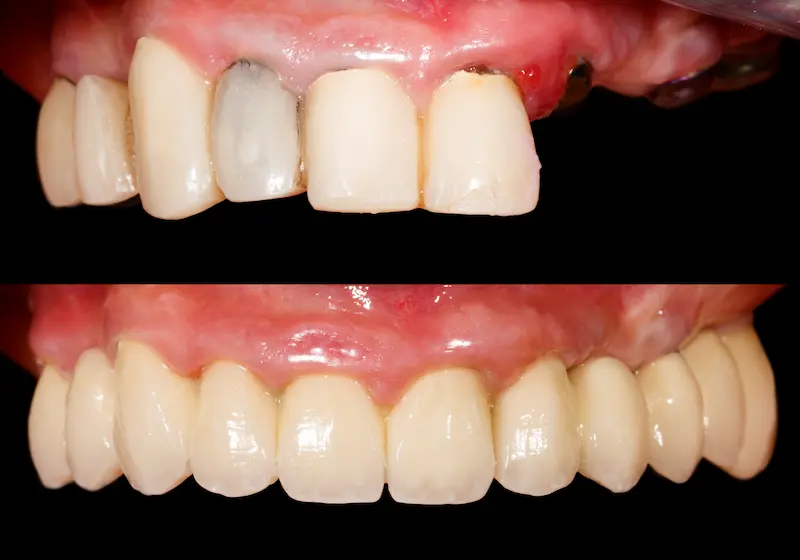
Considering a dental bridge in Turkey significantly transforms both the aesthetic appeal and functional ability of your smile. Examining typical scenarios before and after dental bridge installation underscores the profound impact of this restorative procedure:
• Appearance and Confidence:
Before the procedure, patients commonly feel self-conscious due to gaps from missing teeth, especially visible in the front areas. After the installation of a front dental bridge, patients notice immediate improvements in their smile’s appearance, enhancing overall facial aesthetics and boosting self-esteem.
• Speech Improvement:
Missing teeth can cause noticeable speech difficulties. A dental bridge restores clarity of speech, allowing patients to communicate confidently without embarrassment or discomfort.
• Enhanced Chewing and Digestion:
Lost teeth significantly affect chewing efficiency, often leading patients to restrict their diet. Post-procedure, the dental bridge restores normal chewing function, improving dietary options and overall nutrition, directly benefiting digestive health.
• Prevention of Tooth Shifting:
Before bridge installation, adjacent teeth often shift toward empty spaces, causing alignment issues, discomfort, and bite irregularities. A dental bridge effectively prevents tooth shifting, maintaining proper alignment, stability, and bite function.
• Facial Structure Maintenance:
Missing teeth can gradually alter facial structures, causing premature aging appearances. After a dental bridge installation, the restored teeth support facial muscles, maintaining natural face shape and youthful contours.
Clinics typically offer visual examples, including dental bridge images, demonstrating dramatic improvements achievable through this procedure. Clear visual comparisons significantly assist patients in making informed decisions, highlighting the procedure’s aesthetic and functional effectiveness.
Dental Bridge Installation in Turkey
Turkey, particularly Istanbul, has become an international center for advanced dental treatments, offering specialized expertise in dental bridge installation. With renowned dental professionals, state-of-the-art technologies, and a commitment to patient-centric care, Turkey provides an unparalleled experience for international patients seeking reliable and affordable dental solutions.
Best Dental Bridge Clinic in Turkey
Choosing the best dental bridge clinic in Turkey significantly impacts treatment success and patient satisfaction. Top-tier clinics in Turkey typically feature:
• International accreditation and rigorous adherence to global dental standards.
• Advanced dental technology, including digital imaging and CAD/CAM technology.
• Multilingual staff providing clear communication and personalized patient care.
• Extensive experience treating international dental tourists, offering comprehensive all-inclusive dental bridge packages.
Clinics such as those in Istanbul, Antalya, and Izmir often lead the sector, providing exemplary care that combines quality, technology, and patient comfort, attracting global recognition.
Best Dental Bridge Dentist in Turkey
Selecting the best dental bridge dentist in Turkey ensures excellent outcomes and patient satisfaction. Distinguished Turkish dentists typically demonstrate:
• International training and certifications.
• Proven experience and specialization in restorative dentistry procedures, including dental bridges.
• Personalized patient approach, focusing on comprehensive oral health and aesthetic outcomes.
• High patient satisfaction rates, documented through reviews and testimonials.
Prominent dentists in Turkey are often affiliated with internationally accredited clinics, ensuring superior service standards, comfort, and procedure reliability, consistently delivering high-quality results.
All-inclusive Dental Bridge Packages in Turkey
One of the most appealing aspects of getting a dental bridge in Turkey is the availability of comprehensive all-inclusive dental bridge packages. These packages are specifically designed for international patients, offering convenience, affordability, and exceptional care throughout their treatment journey.
Typical all-inclusive dental packages in Turkey include:
• Initial Consultation and Comprehensive Evaluation:
Detailed examinations, dental imaging, and personalized treatment planning ensure accurate and optimal results. This preliminary assessment is essential to select the ideal bridge dental type and technique.
• Procedure Costs:
Packages typically cover all expenses associated with the dental bridge procedure, including tooth preparation, bridge fabrication, installation, and any related materials or medications required throughout treatment.
• Accommodation Arrangements:
Comfortable, convenient accommodation is frequently included, ranging from high-quality hotels to serviced apartments close to the dental clinics. Clinics in cities such as Istanbul, Antalya, and Izmir often offer centrally-located accommodations, enhancing patient comfort.
• Airport and Local Transfers:
Transport from the airport to accommodation and dental clinics is often part of the package, ensuring a seamless travel experience and removing the hassle of arranging local transportation.
• Interpreter and Translation Services:
Multilingual patient support is typically available, ensuring clear communication throughout treatment. This reduces anxiety and enhances comfort for international patients unfamiliar with the local language.
• Post-Procedure Follow-ups:
Packages commonly include follow-up appointments, ensuring proper healing and functionality of the installed bridge. Clinics provide detailed aftercare advice and continuous support throughout recovery.
• Tourism and Leisure Opportunities:
Many packages offer optional tourism activities, allowing patients to explore Turkey’s rich cultural history, scenic beauty, and culinary delights during their recovery period.
Choosing an all-inclusive package significantly enhances patient experience by combining medical excellence with convenience and affordability, making Turkey an ideal destination for international dental tourists.
Dental Bridge Cost in Turkey
Turkey is recognized globally for providing affordable yet premium-quality dental care, with dental bridge cost significantly lower compared to Western countries. The attractive pricing structure is a major reason why thousands of international patients choose Turkey for their dental treatments.
How Much Does a Dental Bridge Cost
The cost of a dental bridge in Turkey varies based on several factors, including bridge type, materials, complexity, and the clinic’s location. However, generally, patients find substantial savings compared to their home countries.
Here’s a general price overview for dental bridges in Turkey:
• Traditional Dental Bridge: Typically costs around $500–$700 per tooth, depending on materials (ceramic, zirconia, or PFM).
• Cantilever Bridge Dental: Approximately $400–$600 per tooth, ideal for single-tooth restorations.
• Maryland Dental Bridge: Generally costs around $450–$700, suitable for minimal-preparation restorations.
• Implant-Supported Dental Bridge: Prices range significantly depending on implants required but usually between $3,500–$5,000, offering superior stability and durability.
Compared to prices in the USA or UK—where dental bridges typically range between $1,000–$3,500 per tooth—Turkey provides immense cost savings. Patients benefit from high-quality dentistry at competitive prices, enhancing overall value.
Is It Safe To Undergo Dental Bridge In Turkey
Safety is paramount for anyone considering international dental care. Undergoing a dental bridge in Turkey is considered very safe, provided patients choose reputable dental clinics and experienced professionals. Here’s why Turkey is recognized for its dental safety and reliability:
• International Standards Compliance:
Turkish dental clinics, particularly in major cities like Istanbul and Antalya, adhere strictly to international dental and healthcare standards. Many clinics possess accreditations from global institutions, ensuring consistently high-quality care.
• Advanced Dental Technologies:
Clinics utilize state-of-the-art technologies like CAD/CAM, digital imaging, and precise diagnostic tools, significantly reducing procedural risks and enhancing treatment accuracy.
• Highly Trained Professionals:
Dentists in Turkey frequently receive international training, maintaining globally recognized qualifications and continuous professional development. This expertise ensures high procedural standards, minimizing risks.
• Rigorous Hygiene Protocols:
Clinics uphold rigorous sterilization and hygiene protocols, complying with international health and safety guidelines, ensuring a sterile and safe treatment environment.
• Transparent Communication and Care:
Transparent consultations, detailed treatment planning, and multilingual patient support services enhance patient trust and comfort, significantly reducing anxiety and uncertainties regarding the procedure’s safety.
By carefully selecting reputable dental clinics and qualified dentists in Turkey, patients can confidently enjoy high-quality, safe, and effective dental bridge treatments at significantly lower costs compared to other countries.
Dental Bridge in Turkey Frequently Asked Question:
How long does a Dental Bridge in Turkey last?
A Dental Bridge in Turkey typically lasts between 10 to 15 years with proper oral hygiene and regular dental check-ups.
Can I eat normally after getting a Dental Bridge in Turkey?
Yes, after your Dental Bridge in Turkey is fully healed, you can eat normally. However, avoiding excessively hard or sticky foods prolongs its lifespan.
Is getting a Dental Bridge in Turkey painful?
Getting a Dental Bridge in Turkey involves minimal discomfort, managed effectively with local anesthesia and standard pain medication post-procedure.
Can smokers undergo a Dental Bridge in Turkey?
Yes, smokers can have a Dental Bridge in Turkey, but quitting or reducing smoking significantly improves healing and bridge durability.
How quickly can I get a Dental Bridge in Turkey?
A Dental Bridge in Turkey typically requires only two visits over 5–10 days, making it convenient for international patients.
Why choose Dental Bridge Turkey instead of other countries?
Choosing Dental Bridge Turkey offers considerable cost savings, high-quality treatments, and internationally accredited dentists and facilities.
Do clinics provide guarantees for Dental Bridge Turkey?
Most reputable clinics provide guarantees for Dental Bridge Turkey, typically covering material quality and workmanship for several years.
Is a Dental Bridge in Turkey suitable for older patients?
Yes, a Dental Bridge in Turkey is suitable for older patients in good oral and overall health, providing improved functionality and aesthetics.
What makes Dental Bridge Turkey popular among international patients?
Dental Bridge Turkey is popular due to affordable prices, advanced dental technology, exceptional quality, and comprehensive patient care.
How soon after tooth extraction can I get a Dental Bridge in Turkey?
Typically, you should wait around 4–6 weeks after tooth extraction before undergoing a Dental Bridge in Turkey procedure, allowing proper gum healing.