Chemotherapy has become one of the most critical treatments for cancer patients worldwide, and Turkey has emerged as a top destination for this life-saving therapy. With state-of-the-art oncology centers, experienced specialists, and competitive pricing, chemotherapy in Turkey offers international patients effective treatment options coupled with excellent care. Turkey’s medical facilities utilize advanced technologies and innovative methods, positioning themselves as leading providers of chemotherapy treatment. Patients choosing Turkey not only benefit from affordable chemotherapy cost but also receive personalized, compassionate care in facilities accredited by globally recognized healthcare organizations, ensuring high safety and treatment effectiveness.
Table of Contents
What Is Chemotherapy?
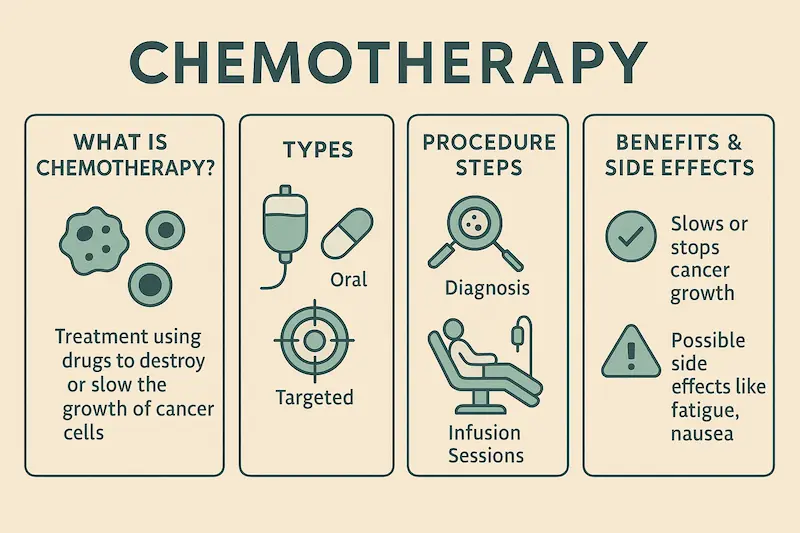
Chemotherapy in Turkey refers to the medical treatment involving specialized drugs aimed at eliminating or slowing down the growth of cancer cells. Often called chemo, this powerful therapy is designed to target rapidly dividing cells characteristic of cancer. However, chemotherapy can also affect healthy cells, leading to various side effects. This balance between efficacy and side effects is meticulously managed by healthcare professionals to optimize treatment outcomes.
The chemotherapy definition broadly includes any drug-based treatment aimed at controlling or eradicating cancer. It involves various medication protocols tailored to specific types of cancer, stages, and patient conditions, highlighting the personalized approach in modern oncology practices. Chemotherapy can be used alone or combined with other treatments such as radiation or surgery to enhance effectiveness and improve patient prognosis.
How Does Chemotherapy Work?
Chemotherapy targets rapidly dividing cancer cells by interfering with their ability to grow, divide, and reproduce. The treatment can kill cancer cells directly or prevent them from proliferating, ultimately shrinking tumors and reducing symptoms associated with the disease. The effectiveness of chemotherapy largely depends on factors such as the type and stage of cancer, the patient’s overall health condition, and how well cancer responds to medication.
During treatment, chemotherapy drugs circulate throughout the body, affecting both cancerous and normal cells. Healthy cells typically recover more effectively after therapy, enabling the body to regain strength and functionality post-treatment. Advanced administration methods, such as the use of a chemotherapy port, allow for safer and more efficient drug delivery, reducing discomfort and improving overall treatment experience for patients undergoing chemotherapy in Turkey.
Types of Chemotherapy
Chemotherapy encompasses various drug classes, each designed to attack cancer cells differently. The types of chemotherapy commonly used in Turkey include:
Alkylating Agents
Alkylating agents are among the oldest and most commonly used chemotherapy medications. They prevent cancer cells from multiplying by damaging their DNA.
Cyclophosphamide (Cytoxan)
Used extensively to treat lymphomas, leukemia, and breast cancer.
Cisplatin (Platinol)
Frequently administered for ovarian, bladder, and testicular cancers; however, cisplatin chemotherapy may lead to notable side effects such as kidney issues and chemotherapy induced peripheral neuropathy.
Carboplatin (Paraplatin)
A less toxic alternative to cisplatin, often used for ovarian and lung cancers.
Oxaliplatin (Eloxatin)
Primarily employed in treating colorectal cancers, especially in advanced stages and as part of Folfox chemotherapy.
Ifosfamide (Ifex)
Commonly utilized for testicular cancer and certain types of sarcomas.
Chlorambucil (Leukeran)
Effective for treating chronic lymphocytic leukemia and non-Hodgkin lymphoma.
Temozolomide (Temodar)
Mainly prescribed for brain cancers such as glioblastoma multiforme.
Busulfan (Myleran)
Typically used to manage chronic myeloid leukemia and as conditioning for bone marrow transplants.
Melphalan (Alkeran)
Frequently chosen for multiple myeloma and ovarian cancer.
Antimetabolites
Antimetabolites disrupt cell metabolism, preventing cancer cells from dividing and multiplying effectively.
Methotrexate (MTX, Trexall)
Widely used for leukemia, lymphoma, and certain autoimmune diseases.
5-Fluorouracil (5-FU, Adrucil)
An integral component in colorectal, stomach, and breast cancer treatments, especially in advanced 5fu chemotherapy regimens.
Capecitabine (Xeloda)
An oral form frequently chosen for colorectal and breast cancers.
Gemcitabine (Gemzar)
Commonly applied in pancreatic, lung, bladder, and ovarian cancers.
Cytarabine (Ara-C, Cytosar-U)
Used predominantly in leukemia treatments.
Azacitidine (Vidaza)
Effective for myelodysplastic syndromes and certain leukemias.
Fludarabine (Fludara)
Primarily for chronic lymphocytic leukemia.
Pemetrexed (Alimta)
Chosen for non-small cell lung cancer and mesothelioma.
Anti-tumor Antibiotics
These drugs alter cancer cell DNA to inhibit growth, crucial for various aggressive cancers.
Doxorubicin (Adriamycin)
A potent drug used for breast, bladder, and ovarian cancers, known colloquially as the “Red Devil Chemotherapy” due to its distinct color and intense side effects.
Daunorubicin (Cerubidine)
Used primarily for acute leukemia.
Bleomycin (Blenoxane)
Commonly administered for Hodgkin’s lymphoma and testicular cancer.
Mitomycin-C (Mutamycin)
Chosen for gastrointestinal cancers, bladder cancer, and breast cancer.
Epirubicin (Ellence)
Preferred in breast cancer treatment.
Idarubicin (Idamycin)
Specifically for acute myeloid leukemia.
Topoisomerase Inhibitors
These medications prevent cancer cells from dividing and spreading by inhibiting topoisomerase enzymes.
Topoisomerase I inhibitors:
• Topotecan (Hycamtin): ovarian and lung cancer treatment.
• Irinotecan (Camptosar): colorectal cancer treatment.
Topoisomerase II inhibitors:
• Etoposide (VP-16, Vepesid): testicular cancer and lung cancer.
• Teniposide (Vumon): childhood acute lymphoblastic leukemia.
Mitotic Inhibitors (Plant Alkaloids)
Mitotic inhibitors, derived from natural plant sources, disrupt cell division (mitosis), making them powerful tools in chemotherapy protocols.
Taxanes:
• Paclitaxel (Taxol): Extensively used in chemotherapy for breast cancer, ovarian cancer, and lung cancer treatments. It’s often combined with other chemotherapy drugs to enhance effectiveness, such as in tc chemotherapy (Taxol and Cyclophosphamide).
• Docetaxel (Taxotere): Primarily administered for breast, prostate, and non-small cell lung cancers.
• Cabazitaxel (Jevtana): Commonly utilized in cases where prostate cancer becomes resistant to other hormonal therapies.
Vinca Alkaloids:
• Vincristine (Oncovin): Crucial in treating leukemia, lymphoma, and neuroblastoma. It’s known to cause chemotherapy induced peripheral neuropathy, which is closely monitored during treatment.
• Vinblastine (Velban): Often employed for Hodgkin’s lymphoma, testicular cancer, and certain sarcomas.
• Vinorelbine (Navelbine): Typically used in breast and non-small cell lung cancer treatment.
Corticosteroids
Corticosteroids are valuable adjunct medications, enhancing the overall efficacy of chemotherapy by reducing inflammation and managing side effects.
Prednisone
Prednisone is frequently administered alongside chemotherapy regimens, particularly in treating lymphoma and multiple myeloma.
Dexamethasone (Decadron)
Effective in controlling nausea and vomiting associated with chemotherapy, it is also a standard component of several chemotherapy regimens like r chop chemotherapy (Rituximab, Cyclophosphamide, Hydroxydaunorubicin, Oncovin, Prednisone).
Methylprednisolone (Medrol)
Used primarily for managing allergic reactions and inflammation resulting from chemotherapy.
Hormonal Therapies
Hormonal therapies target cancers influenced by hormones, such as breast and prostate cancer, and are commonly combined with traditional chemotherapy drugs for enhanced outcomes.
Tamoxifen (Nolvadex)
Widely used to treat hormone receptor-positive breast cancer, particularly in premenopausal patients.
Anastrozole (Arimidex)
Typically prescribed for postmenopausal women diagnosed with hormone-sensitive breast cancer.
Letrozole (Femara)
Similar to Anastrozole, effective in managing breast cancer in postmenopausal women.
Fulvestrant (Faslodex)
Administered in advanced breast cancer cases that have become resistant to other hormonal treatments.
Leuprolide (Lupron)
Frequently used in prostate cancer treatments, helping to lower testosterone levels that fuel cancer growth.
Exemestane (Aromasin)
An aromatase inhibitor, commonly used in postmenopausal women to prevent breast cancer recurrence.
Targeted Therapies
These advanced therapies specifically identify and attack cancer cells, significantly reducing side effects by sparing healthy cells.
Imatinib (Gleevec)
Crucial in treating chronic myeloid leukemia and gastrointestinal stromal tumors (GIST), revolutionizing outcomes for these cancers.
Trastuzumab (Herceptin)
Essential in managing HER2-positive breast cancers, significantly improving survival rates when combined with standard chemotherapy.
Bevacizumab (Avastin)
Frequently chosen for colorectal cancer, ovarian cancer, and specific lung cancers; it works by preventing tumors from forming new blood vessels.
Cetuximab (Erbitux)
Typically utilized in advanced colorectal cancers and head and neck cancers.
Erlotinib (Tarceva)
Commonly prescribed for non-small cell lung cancer and pancreatic cancer, targeting specific growth signals in cancer cells.
Gefitinib (Iressa)
Used for certain types of non-small cell lung cancer, particularly beneficial for patients with specific genetic mutations.
Rituximab (Rituxan)
A critical drug for managing non-Hodgkin lymphoma, often included in combination regimens such as r chop chemotherapy.
Immunotherapy (Biological Therapies)
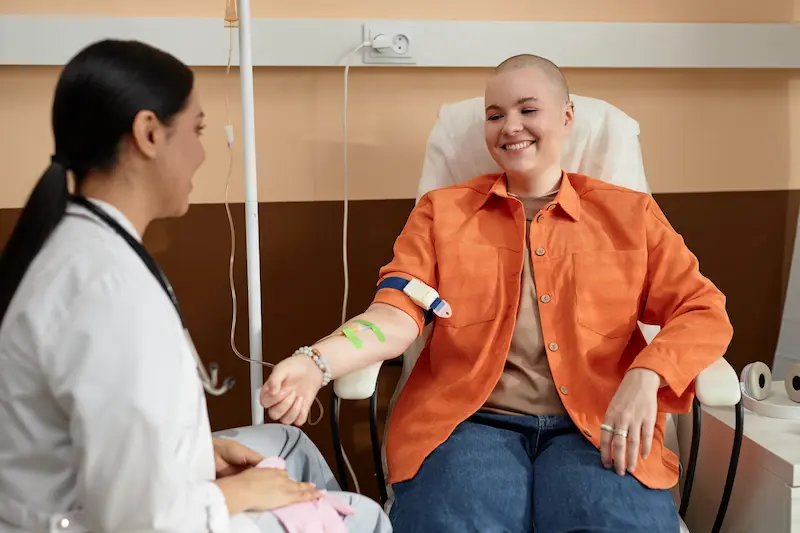
Immunotherapy leverages the body’s immune system to recognize and attack cancer cells, significantly advancing modern chemotherapy treatments.
Pembrolizumab Keytruda
Keytruda widely used for advanced melanoma, lung cancer, and various other malignancies, significantly enhancing survival in many cases.
Nivolumab (Opdivo)
Commonly administered for melanoma, lung cancer, and kidney cancer; shown substantial efficacy in improving long-term outcomes.
Ipilimumab (Yervoy)
Typically combined with other immunotherapies or chemotherapy drugs for advanced melanoma treatments.
Atezolizumab (Tecentriq)
Utilized for treating bladder cancer and specific lung cancers, notably enhancing patient prognosis.
Durvalumab (Imfinzi)
Effective for advanced-stage lung cancer, particularly after radiation or chemotherapy treatments.
Combination Chemotherapy
Combination chemotherapy, employing multiple drugs simultaneously, is often more effective against aggressive cancers, increasing the likelihood of remission or complete eradication.
Red Devil Chemotherapy (Doxorubicin)
Known colloquially as the Red Devil Chemotherapy due to its color and significant toxicity, Doxorubicin remains essential in treating aggressive breast cancer, ovarian cancer, and lymphomas. Despite its efficacy, it requires careful administration due to potential side effects, including chemotherapy hair loss and cardiac issues.
Preventive Chemotherapy
What is preventive chemotherapy? Preventive chemotherapy aims to reduce cancer risk by destroying potentially precancerous cells before they develop into malignant tumors, commonly utilized in high-risk populations or patients with precancerous conditions.
Adjuvant Chemotherapy
Adjuvant chemotherapy refers to treatment administered after surgery to eliminate residual cancer cells and prevent cancer recurrence. Frequently used in breast, colorectal, and ovarian cancers, this approach significantly enhances survival rates.
Folfox Chemotherapy
Folfox chemotherapy (Folinate, Fluorouracil, Oxaliplatin) is a standard treatment protocol for colorectal cancer, dramatically improving patient outcomes and extending survival.
Chemotherapy Treatment Methods
The method of administering chemotherapy depends on cancer type, patient condition, and specific drug protocols.
Intravenous (IV) Chemotherapy
Intravenous administration is the most common method of chemotherapy, often facilitated by a surgically implanted chemo port or port for chemotherapy, enhancing patient comfort and safety during prolonged treatments.
Oral Chemotherapy
Oral chemotherapy involves chemotherapy pills, providing convenience and flexibility for patients, allowing treatment continuity at home.
Intramuscular Chemotherapy
Intramuscular injections deliver medication directly into muscle tissue, utilized for certain chemotherapy drugs like hormones.
Subcutaneous Chemotherapy
Subcutaneous injections introduce chemotherapy drugs beneath the skin, offering a convenient administration route for specific treatments.
Intrathecal Chemotherapy
Intrathecal chemotherapy involves administering chemotherapy drugs directly into cerebrospinal fluid, crucial for cancers affecting the central nervous system.
Intra-arterial Chemotherapy
Drugs delivered directly into arteries supplying tumors, maximizing drug concentration at the tumor site while minimizing systemic exposure.
Intraperitoneal Chemotherapy
Administered directly into the peritoneal cavity, typically used for ovarian and abdominal cancers.
Topical Chemotherapy
Chemotherapy cream for skin cancer applies chemotherapy drugs directly to affected skin areas, treating superficial skin cancers effectively with minimal systemic side effects.

Chemotherapy vs Radiation
Both chemotherapy and radiation therapy are central to cancer treatment but function distinctly. Chemotherapy treatment involves systemic drug administration to eliminate cancer cells throughout the body, whereas radiation therapy focuses high-energy radiation precisely on tumor sites.
Chemotherapy is ideal for widespread or metastatic cancers, as it targets cancer cells circulating in the bloodstream. Radiation therapy, conversely, is typically localized, targeting specific tumor sites without significantly affecting the entire body. These two therapies often complement each other, with chemotherapy in Turkey frequently combined with radiation to enhance treatment efficacy.
Chemotherapy Drugs
Chemotherapy drugs include a vast array of medications, each with specific applications tailored to different cancers. Popular choices such as Taxol chemotherapy, cisplatin chemotherapy, and combination regimens like chop chemotherapy are extensively utilized based on clinical guidelines and patient-specific considerations. The selection of these medications is guided by factors such as cancer type, stage, patient health, and desired outcomes.
For example, chemotherapy drugs lymphoma patients receive often involve a regimen called CHOP or R-CHOP, consisting of cyclophosphamide, hydroxydaunorubicin, vincristine (Oncovin), and prednisone, frequently augmented with rituximab (Rituxan) for enhanced effectiveness. Similarly, chemotherapy drugs multiple myeloma patients receive typically include combinations such as melphalan, prednisone, and newer targeted therapies.
Preparing for Chemotherapy Procedure: Important Guidelines Before the Procedure?
Preparation for chemotherapy in Turkey involves crucial steps to ensure optimal treatment outcomes and patient comfort:
1. Medical Evaluation: Before beginning chemotherapy, comprehensive evaluations—including blood tests, imaging studies, and physical examinations—are mandatory to determine overall health and suitability for chemotherapy.
2. Port Placement: A chemotherapy port placement or portal catheter for chemotherapy often precedes intravenous treatments. The port allows easy and safe drug administration, minimizing discomfort and vein damage.
3. Pre-treatment Education: Patients undergo thorough counseling sessions addressing potential chemotherapy side effects, such as nausea, fatigue, and hair loss. Managing expectations about side effects prepares patients emotionally and physically.
4. Dental Check-up: Chemotherapy can affect oral health, leading to issues like mouth ulcers and chemotherapy. Prior dental evaluation helps manage risks proactively.
5. Nutrition and Hydration: Adequate nutrition and hydration are essential. Patients are guided on dietary practices to maintain their strength, immunity, and overall health during chemotherapy.
6. Hair Preservation: Options like cold cap chemotherapy help reduce chemotherapy hair loss, significantly improving patient comfort and self-esteem during treatment.
Chemotherapy Treatment Step by Step
Understanding the chemotherapy process helps patients manage treatment expectations effectively:
1. Assessment and Diagnosis: Initial evaluation, diagnosis, and selection of an appropriate chemotherapy regimen.
2. Port Insertion: If applicable, inserting a chemo port under local anesthesia to ease the delivery of intravenous medications.
3. Administration of Chemotherapy: Depending on the prescribed protocol, chemotherapy drugs are administered intravenously, orally, or through other specialized routes like intrathecal or intraperitoneal injections.
4. Monitoring and Adjustment: Continuous monitoring of patient response, blood tests, and side effects; medication dosages or schedules may be adjusted accordingly.
5. Managing Side Effects: Proactive management strategies for side effects like nausea, vomiting, and peripheral neuropathy to enhance patient comfort and treatment tolerance.
6. Follow-up Care: Regular follow-up appointments post-treatment ensure effective management of late-onset side effects and monitor for cancer recurrence.
What Are the Potential Risks and Complications of Chemotherapy?
Although highly effective, chemotherapy carries risks and side effects:
• Hair Loss: A common concern, chemotherapy and hair loss can significantly affect patient morale, though methods like scalp cooling caps can reduce severity.
• Fatigue and Anemia: Chemotherapy often causes fatigue and anemia due to lowered red blood cell counts.
• Nausea and Vomiting: Common gastrointestinal side effects requiring specific anti-nausea medications.
• Infections: Chemotherapy can reduce white blood cell counts, increasing infection risk.
• Peripheral Neuropathy: Damage to nerves (chemotherapy induced peripheral neuropathy) often occurs with drugs like vincristine and cisplatin chemotherapy.
• Skin and Nail Changes: Chemotherapy medications may cause discoloration, dryness, and brittle nails.
• Mouth Sores and Ulcers: Chemotherapy may cause painful oral ulcers (mouth ulcers and chemotherapy), affecting eating and comfort.
• Organ Damage: Rare but severe complications include heart, kidney, liver, or lung damage, necessitating regular monitoring during therapy.
Managing these side effects is integral to chemotherapy treatment in Turkey, employing modern supportive care measures and patient education to minimize complications and maintain quality of life during treatment.
Ideal Candidates for Chemotherapy in Turkey?
Ideal candidates for chemotherapy include patients diagnosed with various cancer types and stages, including:
• Breast Cancer: Patients undergoing chemotherapy for breast cancer typically receive treatments to shrink tumors before surgery (neoadjuvant chemotherapy) or prevent recurrence after surgery (adjuvant chemotherapy).
• Colorectal Cancer: Patients commonly treated with chemotherapy for colon cancer, including regimens like Folfox chemotherapy.
• Lung Cancer: Advanced cases benefit significantly from chemotherapy, notably chemotherapy for lung cancer, either alone or combined with targeted therapies.
• Ovarian Cancer: Chemotherapy remains the cornerstone of treatment (chemotherapy for ovarian cancer), significantly prolonging survival and improving outcomes.
• Myeloma Cancer: Patients diagnosed with multiple myeloma frequently undergo specialized chemotherapy for myeloma cancer to control disease progression effectively.
Chemotherapy suitability is thoroughly assessed by oncologists considering patient health, cancer type, stage, and treatment goals.
Benefits of Chemotherapy in Turkey
Choosing chemotherapy in Turkey offers numerous benefits, including:
• Cost Efficiency: Treatment costs in Turkey are notably affordable, making cancer care accessible. Patients often inquire about how much chemotherapy costs, with Turkey providing significant savings compared to the U.S. and Europe.
• High-Quality Medical Care: Turkish oncology clinics adhere to international healthcare standards, offering state-of-the-art facilities and technologies.
• Expert Oncologists: Renowned oncologists, many internationally trained, provide cutting-edge treatments and comprehensive care, enhancing patient outcomes.
• All-inclusive Treatment Packages: Patients benefit from packages covering treatments, hospital stays, medications, and supportive therapies, offering clarity and financial transparency.
• Advanced Treatment Protocols: Access to modern treatments like immunotherapy, targeted therapy, and combination chemotherapy enhances effectiveness and patient survival rates.
• Patient Support Services: Exceptional patient support, including language assistance, counseling, nutritional guidance, and aftercare services, ensures comfort and smooth recovery.
Recovery and Aftercare After Chemotherapy in Turkey
Recovery after chemotherapy in Turkey is critical, and patients are supported extensively through personalized aftercare programs. Post-treatment recovery aims to help patients regain their physical strength, manage lingering side effects, and improve overall quality of life.
Immediate Post-Chemotherapy Care
Immediately following chemotherapy sessions, Turkish oncology clinics monitor patients closely for adverse reactions such as nausea, vomiting, and fatigue. Clinics typically provide dedicated recovery areas where patients receive hydration therapy, anti-nausea medication, and nutritional support to expedite recovery.
Managing Chemotherapy Side Effects at Home
Managing the side effects of chemotherapy at home includes:
• Nutrition: Maintaining a balanced diet, focusing on easily digestible, nutrient-rich meals to counteract fatigue and support immune function.
• Skin and Oral Care: Special creams (chemotherapy cream for skin cancer) and oral rinses minimize discomfort from mouth ulcers and chemotherapy-related skin issues.
• Exercise: Gentle physical activities, recommended by medical teams, help maintain muscle mass, reduce fatigue, and enhance emotional well-being.
• Managing Hair Loss: While chemotherapy and hair loss is common, patients receive guidance on hair care strategies and the timeline for hair regrowth after chemotherapy.
• Neuropathy Management: Patients experiencing chemotherapy induced peripheral neuropathy are provided treatments and exercises designed to minimize discomfort and improve nerve function.
Long-term Follow-up Care
Long-term follow-up appointments are critical components of aftercare post-chemotherapy. Regular screenings, blood tests, imaging, and consultations help identify cancer recurrence early, manage ongoing side effects, and address any psychological or emotional challenges. Turkish oncology clinics emphasize a holistic approach, integrating medical care, emotional support, and rehabilitative services.
Chemotherapy in Turkey
Turkey has increasingly become a premier global destination for chemotherapy, attracting thousands of international patients annually. The country’s combination of modern facilities, advanced treatment techniques, internationally trained specialists, and cost-effective packages positions it uniquely as a world-class cancer treatment hub.
Best Oncology Clinic in Turkey
Selecting the best oncology clinic in Turkey involves assessing several factors, including clinical reputation, patient outcomes, international accreditations, and overall patient satisfaction. Renowned clinics in Istanbul city consistently ranked among the top choices for chemotherapy treatments, known for their cutting-edge technology, comprehensive care programs, and skilled oncology teams.
Best Oncologist in Turkey
Identifying the best oncologist in Turkey is crucial for effective cancer treatment. Turkish oncologists often have extensive international training, recognized certifications, and years of hands-on experience. Specialists in Turkey are highly regarded for their expertise, personalized patient care approaches, and successful treatment outcomes in complex cancer cases.
All-inclusive Chemotherapy Packages in Turkey
To simplify the medical journey for international patients, Turkish hospitals offer comprehensive, all-inclusive chemotherapy packages. These packages typically encompass:
• Medical consultations
• Diagnostic tests (blood tests, imaging)
• Chemotherapy drugs
• Hospital stays and treatments
• Nursing care
• Medications for side effects management
• Transportation (airport-hospital transfers)
• Accommodation arrangements
• Multilingual patient assistance services
These packages streamline the treatment process, provide clear cost expectations, and minimize logistical concerns, allowing patients to focus entirely on their recovery and well-being.
Chemotherapy Cost in Turkey
A significant advantage of choosing Turkey is the affordability of treatments. Patients frequently ask, “How much does chemotherapy cost?” or “How much is chemotherapy?” Treatment prices in Turkey are considerably lower compared to North America, Europe, and many Asian countries. Typically, chemotherapy sessions in Turkey range from approximately $800 to $3,000 per session, depending on the complexity, cancer type, drugs used, and additional services included. The reasonable chemotherapy cost makes Turkey attractive for international patients seeking high-quality care without substantial financial strain.
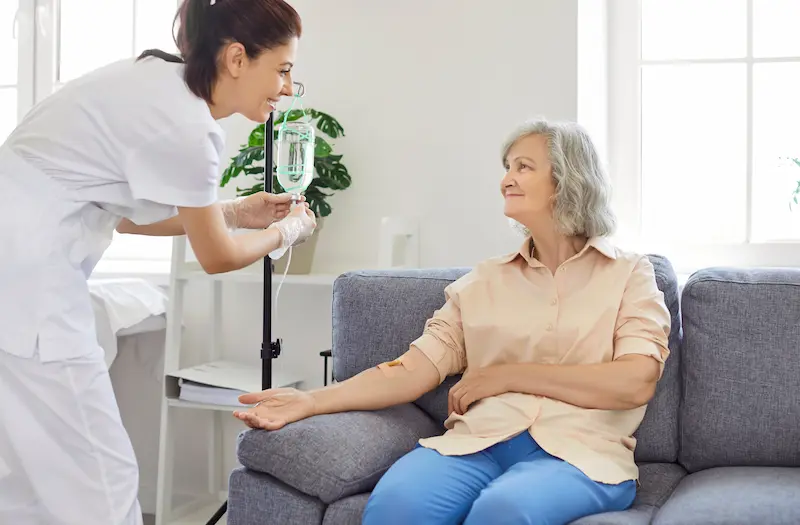
Is It Safe To Undergo Chemotherapy In Turkey
Safety is paramount when choosing cancer treatment abroad, and Turkey’s medical infrastructure excels in providing secure and effective chemotherapy treatments. Patients contemplating treatment abroad frequently question, “Is it safe to undergo chemotherapy in Turkey?” The answer is unequivocally yes, due to several critical factors:
• International Accreditation: Leading oncology hospitals are JCI (Joint Commission International) accredited, guaranteeing adherence to rigorous international standards of care, safety, and hygiene.
• Highly Trained Specialists: Turkey boasts world-class oncologists and healthcare professionals trained extensively in internationally renowned institutions, ensuring top-tier expertise in administering complex chemotherapy treatments.
• Advanced Technologies: Turkish hospitals employ the latest medical technologies, facilitating precise diagnosis, monitoring, and treatment protocols, significantly enhancing safety and treatment efficacy.
• Stringent Infection Control Measures: Hospitals rigorously maintain stringent infection prevention protocols, critical for chemotherapy patients with compromised immune systems.
• Comprehensive Patient Support: Dedicated patient care teams provide robust support throughout the treatment process, addressing patient concerns, managing side effects proactively, and ensuring comfort and peace of mind.
Chemotherapy in Turkey Frequently Asked Questions:
Can I continue working during Chemotherapy in Turkey?
Many patients undergoing chemotherapy in Turkey manage to continue working depending on the treatment intensity and their overall health condition.
What is preventive chemotherapy?
Preventive chemotherapy uses medication to eliminate precancerous cells, reducing cancer risk before the disease fully develops.
What should I pack when traveling for Chemotherapy in Turkey?
When traveling for chemotherapy in Turkey, bring comfortable clothing, medical records, medications, insurance documents, and personal care items.
What does chemotherapy do?
Chemotherapy destroys or slows the growth of rapidly dividing cancer cells, shrinking tumors and preventing cancer from spreading.
Are there dietary restrictions during Chemotherapy Turkey treatments?
Dietary restrictions during chemotherapy Turkey treatments vary. Usually, doctors recommend balanced meals rich in nutrients to support immunity and recovery.
Is chemotherapy painful?
Chemotherapy itself isn’t usually painful, though some people experience mild discomfort during drug administration or from side effects afterward.
Is Tamoxifen chemotherapy?
No, Tamoxifen is a hormonal therapy used mainly to treat hormone receptor-positive breast cancer, not traditional chemotherapy.
At what stage of cancer is chemotherapy used?
Chemotherapy is commonly used at various cancer stages, from early-stage (adjuvant or preventive) to advanced-stage (palliative or metastatic).
How to sleep with a chemo port?
Sleep comfortably by lying on your back or the opposite side of your chemo port, using soft pillows to support your body and reduce pressure.
How soon can I travel home after Chemotherapy in Turkey?
Patients typically can travel home a few days after completing chemotherapy in Turkey, pending clearance from their oncologist and general health assessment.
What kind of visa is needed for Chemotherapy Turkey patients?
Patients undergoing chemotherapy Turkey treatments usually obtain a medical tourist visa, easily accessible through Turkey’s online e-Visa system.
Can family members accompany me for Chemotherapy in Turkey?
Yes, family members are welcome and encouraged to accompany patients undergoing chemotherapy in Turkey, and clinics often assist in arranging their stay.
Is medical insurance accepted for Chemotherapy in Turkey?
Many international insurance providers cover chemotherapy in Turkey; patients should confirm directly with their insurer and selected hospital in advance.
How effective is Chemotherapy Turkey compared to other countries?
Chemotherapy Turkey treatments are highly effective, matching international standards, with experienced oncologists and cutting-edge medical technology.