

A kidney transplant in Turkey offers a life-changing opportunity for individuals suffering from end-stage renal disease. This procedure involves surgically placing a healthy kidney from a living or deceased donor into a patient whose own kidneys can no longer function adequately. Opting for a kidney transplant in Turkey means accessing world-class medical care at a significantly lower cost than in many Western countries, without compromising on quality or success rates. Our institution is a leader in facilitating kidney transplants in Turkey, providing comprehensive support for international patients.
Table of Contents
Understanding Kidney Transplant Surgery
Embarking on the journey of a kidney transplant begins with a thorough understanding of what the procedure entails, why it might be necessary, and how it compares to other treatments like dialysis. A kidney transplant is often the best treatment for kidney failure, offering a chance at a longer, healthier life. Considering a kidney transplant in Turkey involves understanding the fundamental aspects of kidney health and the implications of surgery.
Anatomy & Function of the Kidneys
Key takeaway: Your kidneys are vital organs responsible for filtering waste from your blood and maintaining overall fluid and electrolyte balance; when they fail, a transplant may be necessary.
The kidneys are a pair of bean-shaped organs, each about the size of a fist, located just below the rib cage on either side of your spine. Their primary role is to filter waste products, excess water, and other impurities out of your blood. These waste products are then stored in the bladder and eliminated through urine. Beyond filtration, kidneys also regulate blood pressure, produce hormones essential for red blood cell production, and help maintain healthy bones. When kidneys lose this filtering ability, waste products can build up, leading to serious health problems. Understanding their function is crucial when considering a kidney transplant in Turkey.
Common Causes of Kidney Failure
Key takeaway: Diabetes and high blood pressure are the leading causes of kidney failure, but other conditions like polycystic kidney disease and chronic infections can also necessitate a kidney transplant.
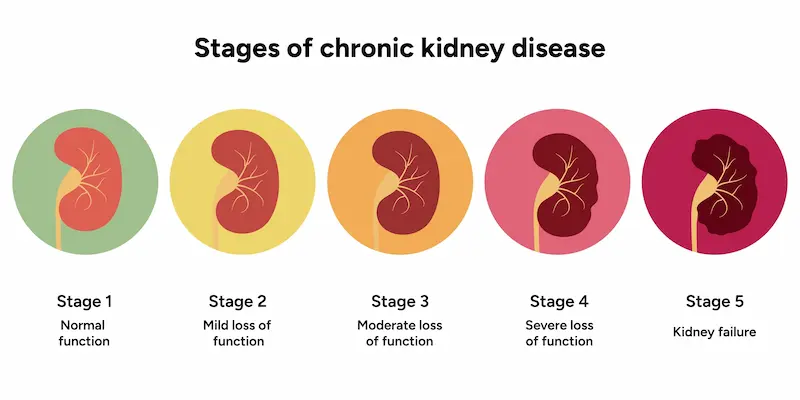
Kidney failure, or end-stage renal disease (ESRD), occurs when the kidneys lose about 85-90% of their function. The most common culprits behind this decline are long-term, uncontrolled diabetes and high blood pressure. These conditions damage the small blood vessels in the kidneys over time, impairing their ability to filter blood. Other causes include:
- Polycystic kidney disease (PKD): A genetic disorder causing cysts to grow in the kidneys.
- Glomerulonephritis: Inflammation of the kidney’s filtering units.
- Chronic infections: Repeated urinary tract or kidney infections.
- Lupus and other autoimmune diseases: Conditions where the body’s immune system attacks its own tissues, including the kidneys.
Knowing the cause helps in planning treatment and evaluating suitability for a kidney transplant in Turkey.
Dialysis vs. Transplant: Which Is Right for You?
Key takeaway: While dialysis can sustain life, a kidney transplant generally offers a better quality of life and longer life expectancy; the choice depends on individual health and circumstances, often making a kidney transplant in Turkey the preferred option.
When faced with kidney failure, patients typically have two main treatment options: dialysis or a transplant. Dialysis artificially performs the kidney’s filtering function, either through a machine (hemodialysis) or using the lining of your abdomen (peritoneal dialysis). While life-saving, dialysis often involves strict schedules, dietary restrictions, and potential complications.
A kidney transplant, on the other hand, involves receiving a healthy kidney to replace the failed ones. A successful transplant can offer more freedom and a lifestyle closer to normal. However, it requires major surgery and lifelong medication to prevent rejection. Deciding between these options is a personal journey, made in consultation with medical professionals. For many, the benefits of a kidney transplant in Turkey outweigh the challenges of long-term dialysis.
| Feature | Dialysis | Kidney Transplant |
| Function | Artificially filters blood | Provides a functioning kidney |
| Lifestyle | Restrictive, frequent treatments | Closer to normal, fewer restrictions |
| Diet | Often highly restricted | More liberal (with considerations) |
| Longevity | Generally lower life expectancy | Generally higher life expectancy |
| Procedure | Ongoing sessions | One-time surgery (major) |
| Medication | Varies, but less immunosuppression | Lifelong immunosuppressants required |
| Location | Home or dialysis center | Requires hospital stay for surgery |
Choosing a kidney transplant in Turkey provides access to high-quality care, often with shorter waiting times for living donor transplants compared to many other countries, making it an attractive alternative to long-term dialysis.
Why Choose Turkey for Kidney Transplantation
Key takeaway: Turkey stands out as a premier destination for kidney transplantation due to its combination of highly skilled surgeons, internationally accredited hospitals, advanced technology, and significantly lower costs compared to the United States and Europe. Patients seeking a kidney transplant in Turkey find a healthcare system dedicated to excellence and patient-centered care.
Opting for medical treatment abroad is a significant decision, especially for a major procedure like a kidney transplant. However, Turkey has rapidly emerged as a global leader in medical tourism, particularly in organ transplantation. The country offers a compelling blend of quality, affordability, and accessibility, making a kidney transplant in Turkey an increasingly popular choice for international patients seeking world-class care without the prohibitive costs or long waiting times found elsewhere.
World-Class Surgeons & Accredited Centers
Key takeaway: Turkish kidney transplant surgeons are renowned for their expertise, often trained in Europe or the United States, and operate within hospitals holding prestigious international accreditations, ensuring high standards for your kidney transplant in Turkey.
The success of any kidney transplant hinges on the skill of the surgical team. Turkey boasts a pool of highly qualified and experienced transplant surgeons. Many have honed their skills at leading institutions worldwide and bring a wealth of knowledge to their practice. They are often members of international transplant societies and contribute to global research, ensuring they employ the latest techniques. The best doctor for kidney transplant in Turkey will have a proven track record, demonstrating high success rates and excellent patient outcomes.
Furthermore, Turkey is home to numerous JCI (Joint Commission International) accredited hospitals. This accreditation is considered the gold standard in global healthcare, signifying that these facilities meet or exceed the rigorous standards set in the United States for patient safety and quality of care. Choosing an accredited best hospital for kidney transplant in Turkey provides assurance that you are receiving treatment in an environment committed to international best practices. This focus on E-E-A-T (Experience-Expertise-Authoritativeness-Trust) is central to the Turkish healthcare approach for kidney transplant in Turkey.
Cutting-Edge Technology & Modern Facilities
Key takeaway: Turkish kidney transplant centers are equipped with state-of-the-art medical technology and offer modern, comfortable facilities, contributing to higher kidney transplant success rates and a better patient experience.
Hospitals in Turkey have invested heavily in medical infrastructure, rivaling, and sometimes surpassing, facilities in Western countries. When undergoing a kidney transplant in Turkey, patients benefit from:
- Advanced Diagnostics: High-resolution imaging (MRI, CT scans) and sophisticated laboratory testing ensure accurate pre-transplant evaluation and post-operative monitoring.
- Modern Surgical Suites: Operating rooms feature the latest surgical equipment, including options for minimally invasive (laparoscopic) donor nephrectomy, which reduces the kidney transplant scar and recovery time for living donors.
- Dedicated Transplant Units: Specialized intensive care units (ICUs) and transplant wards provide focused care by nurses and doctors experienced in managing kidney transplant patients.
- Comprehensive Support Services: Hospitals often offer all-inclusive services, including international patient departments, translation services, accommodation assistance, and airport transfers, ensuring a smooth journey for a kidney transplant in Turkey.
This commitment to technology and patient comfort ensures that the kidney transplant procedure is performed using the most effective techniques available, optimizing outcomes and enhancing the overall patient experience. The modern environment supports a safer and quicker kidney transplant recovery.
Istanbul, Ankara & Antalya: Leading Transplant Hubs
Key takeaway: Major Turkish cities like Istanbul, Ankara, and Antalya are not only cultural and economic centers but also prominent hubs for medical tourism, offering numerous top-tier kidney transplant centers.
While excellent hospitals exist across Turkey, several cities have become particularly renowned for kidney transplant in Turkey:
- Istanbul: As Turkey’s largest city and a major global travel hub, Istanbul offers an extensive network of internationally accredited hospitals and highly experienced kidney transplant surgeons in Turkey. Its rich history and vibrant culture also provide a stimulating environment for patients and their families during their stay.
- Ankara: The capital city boasts numerous modern hospitals and university medical centers known for their strong transplant programs and research initiatives. Ankara provides a high standard of care, often in a slightly less bustling environment than Istanbul.
- Antalya: Located on the Mediterranean coast, Antalya combines high-quality medical facilities with a beautiful resort setting. This makes it an attractive option for patients who wish to combine their kidney transplant in Turkey with a recuperative stay in a scenic, relaxing location.
These cities are easily accessible via international airports and offer a wide range of accommodation and amenities. Our healthcare-tourism institution can assist you in navigating these options and finding the best hospital for kidney transplant in Turkey that aligns with your specific needs, ensuring a seamless and successful medical journey. Choosing one of these hubs means accessing a robust infrastructure built to support international patients seeking a kidney transplant in Turkey.
Kidney Transplant Cost in Turkey vs. the United States & Europe
Key takeaway: The most significant draw for many international patients is the affordable kidney transplant cost in Turkey, which is often 50-70% lower than in the United States or Western Europe, without compromising on the quality of care or success rates. A kidney transplant in Turkey provides exceptional value.
Understanding how much is a kidney transplant is a crucial factor when planning treatment. While the primary goal is always a successful medical outcome, the financial burden can be overwhelming in many countries. Turkey presents a solution, offering a kidney transplant at a fraction of the price, making this life-changing surgery accessible to a broader range of people. This cost advantage, combined with high medical standards, makes a kidney transplant in Turkey an economically sound choice.
Average Price Breakdown & Hidden Fees
Key takeaway: The average kidney transplant cost in Turkey typically ranges from $25,000 to $40,000 USD, covering surgery, hospitalisation, and initial care, whereas the same procedure can exceed $400,000 in the United States. Transparency in pricing is key.
When considering a kidney transplant in Turkey, it’s essential to understand what influences the price and what’s included. Factors like the specific hospital, the surgeon’s experience, the type of transplant (living donor kidney transplant or deceased donor), and the length of hospital stay can affect the final kidney transplant cost. However, the overall savings remain substantial.
Here’s a quick comparison:
| Region | Average Kidney Transplant Cost (USD) |
| Turkey | $25,000 – $40,000 |
| United States | $400,000+ |
| United Kingdom | $100,000 – $140,000 |
| Germany | $80,000 – $120,000 |
Note: These are estimates and can vary.
A reputable institution offering kidney transplant in Turkey will provide a detailed quote. Typically, this includes:
- Surgeon and anaesthesiologist fees
- Hospital stay (including ICU)
- Pre-operative tests and evaluations
- The kidney transplant procedure itself
- Initial post-operative medications and follow-up care
It’s vital to inquire about potential additional costs, such as donor evaluation (if applicable), unforeseen complications requiring extended stays, travel, accommodation, and long-term immunosuppressant medications. We prioritise transparency to ensure you understand the full financial picture.
Most Affordable Cities & Hospital Packages
Key takeaway: While costs are generally low across Turkey, comprehensive hospital packages, often found in Istanbul, Ankara, and Antalya, offer the best value and predictability for your kidney transplant in Turkey.
While there might be slight variations in how much does a kidney transplant cost between cities like Istanbul, Ankara, and Antalya, the primary driver of affordability is the country’s overall economic structure and government support for medical tourism. Rather than focusing solely on a city, patients often find the best value in all-inclusive packages offered by leading kidney transplant centers.
These packages are designed for international patients and often bundle:
- The complete medical procedure (kidney transplant surgery, tests, hospital stay).
- Airport transfers.
- Accommodation for the patient and a companion for a set period.
- Translation and interpretation services.
- Assistance with visa and travel arrangements.
Choosing a package simplifies the logistics and provides a clear, upfront cost, minimising financial surprises. Our institution specialises in curating these packages, partnering with the best hospital for kidney transplant in Turkey to offer both affordability and excellence. We help you find a cost-effective solution for your kidney transplant in Turkey.
What Insurance and International Patients Should Know
Key takeaway: Most international patients pay for their kidney transplant in Turkey out-of-pocket, as international insurance coverage varies widely and often doesn’t cover planned medical tourism. Planning your finances is crucial.
While a kidney transplant in Turkey is significantly more affordable, it still represents a major expense. International patients need to consider how they will finance their treatment. Here’s what to keep in mind:
- Insurance: Most domestic health insurance plans (like those in the United States) do not cover treatment abroad. Some international or travel insurance policies might offer partial coverage, but this is rare for planned surgeries like transplants. It’s essential to check directly with your provider about their specific policies.
- Out-of-Pocket Payment: The vast majority of medical tourists pay for their kidney transplant in Turkey themselves. Hospitals typically require a deposit before treatment begins, with the balance due before or upon admission. Wire transfers and credit cards are common payment methods.
- Financial Planning: Ensure you have access to the necessary funds and budget for travel, accommodation (beyond any package inclusions), meals, and post-discharge medications, which will be an ongoing expense.
Despite the out-of-pocket nature, the immense savings make a kidney transplant in Turkey a financially viable option for many who couldn’t afford it in their home country. We provide clear financial guidance to help you plan effectively for your treatment.
The Kidney Transplant Procedure Step by Step
Key takeaway: The journey to a kidney transplant in Turkey involves several well-defined stages, from identifying a suitable donor and undergoing thorough evaluations to the surgery itself and initial recovery. Our team guides you through each step of this kidney transplant procedure.
Embarking on a kidney transplant can feel daunting, but understanding the process can alleviate much of the anxiety. In Turkey, kidney transplant centers follow rigorous protocols to ensure patient safety and optimal outcomes. From the initial consultation to the final follow-up, the path to a kidney transplant in Turkey is carefully managed by experienced medical professionals.
Finding a Living or Deceased Donor Match
Key takeaway: For international patients seeking a kidney transplant in Turkey, the most common route is through a living donor kidney transplant, typically a relative or friend. Deceased donor options for foreigners are extremely limited due to national priority lists.
Finding a compatible kidney is the first critical step. There are two sources:
- Living Donor: A healthy individual volunteers to donate one of their kidneys. This is the preferred and most feasible option for international patients in Turkey.
- Who can donate? Donors are often close relatives (parents, siblings, children) or spouses. Altruistic donations from friends or through paired exchange programs (where two incompatible pairs swap donors) are also possible but require thorough ethical and medical review. Turkish law strictly prohibits organ trafficking and requires proof of relationship or a legitimate connection.
- Advantages: Shorter waiting times, often better immediate function, and planned surgery.
- Deceased Donor: A kidney from someone who has been declared brain dead.
- Challenges for Foreigners: Turkey, like most countries, maintains a national waiting list for deceased donor organs. Priority is given to its own citizens and residents. Therefore, it is highly unlikely for an international patient to receive a deceased donor kidney transplant in Turkey.
Our institution primarily facilitates living donor kidney transplants and can guide both recipient and potential donor through the necessary legal, ethical, and medical clearance processes required for a kidney transplant in Turkey. Matching involves blood type compatibility and tissue typing (HLA matching) to minimise rejection risk.
Pre-Transplant Evaluation & Preparation
Key takeaway: A comprehensive series of tests for both the recipient and the living donor is mandatory before a kidney transplant in Turkey to ensure both are physically and mentally prepared for the surgery and its aftermath.
Once a potential donor is identified, both individuals undergo a meticulous evaluation process. This typically takes several days to a week and involves:
- Medical History & Physical Exam: Detailed review of past and present health conditions.
- Blood Tests: To check blood type, tissue compatibility, general health, and screen for infections (HIV, hepatitis, etc.).
- Imaging Studies: Ultrasounds, CT scans, and X-rays to assess the health of the heart, lungs, kidneys, and blood vessels.
- Cardiac Evaluation: Stress tests or angiograms, especially for older patients or those with risk factors, to ensure the heart can withstand the surgery.
- Urological Evaluation: To check the bladder and urinary tract.
- Psychological & Social Evaluation: To assess mental readiness, support systems, and understanding of the kidney transplant process and long-term commitment.
- Crossmatch Test: A final blood test just before surgery to ensure the recipient’s body won’t immediately attack the donor kidney.
This thorough preparation is vital for the success of the kidney transplant in Turkey and minimises risks for both parties.
Surgical Timeline—How Long Does a Kidney Transplant Take?
Key takeaway: The kidney transplant surgery itself typically lasts 2 to 4 hours, while the donor’s surgery (especially if laparoscopic) might be shorter. The entire process involves careful coordination between two surgical teams.
People often ask, “How long does a kidney transplant take?” or “How long is a kidney transplant surgery?” While the recipient’s operation is generally 2-4 hours, the entire surgical day is longer due to preparation and immediate post-op care.
Here’s a typical timeline:
- Donor Surgery (Nephrectomy): If it’s a living donor kidney transplant, the donor’s surgery starts first. Increasingly, this is done laparoscopically (keyhole surgery), which involves removing the kidney through small incisions. This takes about 2-3 hours.
- Kidney Preparation: The donated kidney is carefully flushed and prepared for transplantation.
- Recipient Surgery: The recipient’s surgery often begins while the donor surgery is finishing. The surgeon makes an incision in the lower abdomen (usually on the right side) and places the new kidney in the pelvis. The new kidney‘s artery and vein are connected to the recipient’s iliac artery and vein, and the ureter (the tube carrying urine) is connected to the bladder. The patient’s own kidneys are usually left in place unless they are causing problems like uncontrollable high blood pressure or infection.
This well-orchestrated kidney transplant procedure is standard practice in kidney transplant centers across Turkey.
Typical Kidney Transplant Scar & Hospital Stay
Key takeaway: Expect a kidney transplant scar of about 4-7 inches in the lower abdomen and a hospital stay of 1-2 weeks, during which your new kidney function and overall health are closely monitored.
Following a kidney transplant in Turkey, recovery begins immediately.
- Kidney Transplant Scar: The recipient will have an incision, typically 4 to 7 inches long (though sometimes longer), in the lower part of the abdomen, off to one side. Over time, this kidney transplant scar will fade but remain visible. Living donors who undergo laparoscopic nephrectomy will have several small scars instead of one large one.
- Hospital Stay: The recipient usually stays in the hospital for 7 to 14 days. The first day or two might be in the ICU for close monitoring. During this time:
- The new kidney may start working immediately, or it might take a few days (requiring temporary dialysis).
- Urine output, fluid balance, and blood pressure are watched closely.
- You will start taking immunosuppressant medications to prevent rejection.
- The medical team will educate you about medications, diet, and signs of complications.
- Donor Hospital Stay: Living donors usually have a shorter hospital stay, often 3-5 days, especially after laparoscopic surgery.
This initial period is crucial for ensuring the kidney transplant is successful and for preparing you for life back home.

Recovery, Life Expectancy & Success Rates
Key takeaway: A successful kidney transplant in Turkey transitions into a crucial phase of recovery and long-term management, focusing on protecting the new kidney, managing medications, and adopting a healthy lifestyle to ensure high success rates and maximise kidney transplant life expectancy.
The kidney transplant surgery is a significant milestone, but the journey doesn’t end there. The post-transplant period is vital for long-term success. Patients who undergo a kidney transplant in Turkey receive comprehensive guidance on recovery protocols, medication management, and lifestyle adjustments. Understanding what to expect during kidney transplant recovery helps patients play an active role in their health, contributing to excellent long-term outcomes and a high kidney transplant success rate.
Immediate Post-Op Care & Blood Pressure Monitoring
Key takeaway: Following discharge from your kidney transplant in Turkey, you will need to stay nearby for several weeks for frequent check-ups, intensive monitoring of kidney function, and careful management of blood pressure.
Your kidney transplant recovery begins in the hospital but continues intensively after discharge. Most international patients are advised to stay in Turkey (near the transplant center) for at least 4-6 weeks post-surgery. During this time:
- Frequent Follow-Ups: You will visit the transplant clinic multiple times a week initially. These visits include physical exams, blood tests (to check kidney function, electrolyte levels, and medication levels), and sometimes ultrasounds.
- Monitoring for Complications: The medical team will closely watch for signs of:
- Rejection: Fever, pain over the kidney, reduced urine output, swelling, or a rise in creatinine levels.
- Infection: Due to immunosuppressant medications, you’ll be more susceptible to infections. Vigilance is key.
- Surgical Issues: Problems with blood flow or the ureter connection.
- Blood Pressure Control: High blood pressure can damage the new kidney. Regular monitoring (often multiple times a day initially) and medication adjustments are essential. Achieving stable blood pressure is a primary goal.
This period of close supervision ensures that any potential issues after your kidney transplant in Turkey are caught and addressed promptly.
Medications, Diet & Lifestyle for Maximum Life After Transplant
Key takeaway: Lifelong adherence to immunosuppressant medications, a kidney-friendly diet, and healthy lifestyle choices are fundamental to preventing rejection and achieving the maximum life after kidney transplant.
Living successfully with a transplanted kidney requires a lifelong commitment to your health. Key elements include:
- Medications: You will take immunosuppressant drugs every day for as long as you have the transplant. These drugs prevent your immune system from attacking the new kidney.
- Importance: Missing even a single dose can trigger rejection.
- Management: You’ll learn a strict medication schedule and be monitored for side effects (which can include increased risk of infection, high blood pressure, diabetes, and certain cancers).
- Diet: While restrictions are generally less strict than on dialysis, you’ll likely need to follow a heart-healthy, kidney-friendly diet – often low in salt, with controlled protein and phosphorus, and focusing on fresh foods. Food safety is also crucial to avoid infections.
- Lifestyle:
- Exercise: Regular, moderate exercise helps control weight and blood pressure.
- Smoking: Quitting smoking is essential.
- Weight Control: Maintaining a healthy weight reduces strain on the kidney.
- Hydration: Drinking enough water is important.
These measures significantly improve kidney transplant life expectancy after a kidney transplant in Turkey.
Kidney Transplant Success Rate in Turkey
Key takeaway: Turkey boasts a high kidney transplant success rate, comparable and often exceeding international benchmarks, thanks to experienced surgeons, modern facilities, and rigorous protocols, especially for living donor kidney transplants.
The primary concern for any patient is the likelihood of success. The kidney transplant success rate is typically measured by graft survival (the kidney is still functioning) and patient survival. Turkey’s kidney transplant centers consistently report excellent outcomes:
- One-Year Graft Survival: For living donor kidney transplants in reputable Turkish centers, the one-year graft survival rate is generally above 95-98%. For deceased donor transplants (less common for foreigners), it’s typically above 90-95%. These figures are on par with, or better than, those reported in the United States and Europe.
- Five-Year Graft Survival: Living donor graft survival rates at five years often range from 85% to 95%.
- Patient Survival: Patient survival rates are also very high, generally exceeding 98% at one year.
How long does a kidney transplant last? With a living donor, a transplanted kidney can last, on average, 15-20 years, and sometimes much longer. Deceased donor kidneys average 10-15 years. The high kidney transplant success rate in Turkey reflects the quality of care provided. Factors like the source of the kidney, recipient age, and adherence to post-transplant care influence the kidney transplant life expectancy. Choosing a kidney transplant in Turkey means accessing this high standard of successful treatment.
Patient Stories & FAQs
Key takeaway: Hearing from others who have walked this path and getting clear answers to common questions can provide comfort and clarity as you consider a kidney transplant in Turkey. Real-life experiences and expert information build confidence in your decision.
Choosing to have a kidney transplant abroad involves many questions. Learning from the experiences of others and having access to straightforward answers can make the process less intimidating. This section shares insights from patients and addresses frequently asked questions about undergoing a kidney transplant in Turkey, helping you envision your own successful journey.
Real-Life Experiences from Men & Women
Key takeaway: Patients from around the world consistently report positive experiences with their kidney transplant in Turkey, praising the skilled surgeons, attentive care, modern facilities, and significant cost savings.
While privacy is paramount, we can share anonymized stories reflecting common patient experiences:
- John’s Story (United Kingdom): John, a 58-year-old man, faced years of dialysis and a long NHS waiting list. Researching options, he was impressed by the kidney transplant success rate in Turkey. “The kidney transplant cost was a fraction of private care in Europe, but the quality was first-class,” he shared. He and his sister (his living donor) traveled to Istanbul. “The hospital was ultra-modern, the team spoke perfect English, and the care was phenomenal. Having my kidney transplant in Turkey gave me my life back.”
- Aisha’s Story (Dubai): Aisha, 42, needed her second kidney transplant. “Having experienced the process before, I knew what to look for,” she said. “I chose a kidney transplant in Turkey because of a specific surgeon’s reputation and the JCI-accredited hospital.” Her brother was her donor. “The coordination was seamless. From pre-transplant tests to post-op recovery, we felt supported. The follow-up care has been excellent, even from afar. It was the right choice.”
- David’s Story (United States): Facing a kidney transplant cost nearing half a million dollars at home, David, 65, felt hopeless. “Then I found out about kidney transplant in Turkey,” he recalled. “I was sceptical at first, but after video calls with the doctors and a clear, all-inclusive quote, I felt confident.” His wife donated. “The medical care was as good, if not better, than I expected in the United States. The saving meant we weren’t financially ruined. It’s been life-changing.”
Celebrity Spotlight: Selena Gomez & Nate Robinson Kidney Transplants
Key takeaway: High-profile stories like the Selena Gomez kidney transplant and Nate Robinson kidney transplant journey highlight the widespread impact of kidney disease and the life-saving potential of transplants, resonating with patients worldwide, including those considering a kidney transplant in Turkey.
Kidney failure doesn’t discriminate. Pop star Selena Gomez underwent a kidney transplant in 2017 due to complications from lupus. Her friend, Francia Raisa, acted as her living donor. Gomez’s story brought immense public attention to lupus, living donation, and the emotional and physical challenges of transplantation, including the significant kidney transplant scar. It underscored how a kidney transplant can restore health and vitality.
Former NBA star Nate Robinson has also shared his long battle with kidney disease, undergoing dialysis for years while searching for a kidney transplant. His public struggle highlights the urgent need for donors and the difficult waiting game many patients endure. These stories, while set in the United States, reflect the universal hope and challenges associated with kidney disease and underscore why accessible, high-quality options like a kidney transplant in Turkey are so vital.
Answers to Common Questions on Cost, Recovery Time & Long-Term Outcomes
Key takeaway: Get quick answers to your most pressing questions about getting a kidney transplant in Turkey, covering everything from costs and recovery to success rates and eligibility.
Here are answers to some common questions we receive:
How much is a kidney transplant in Turkey?
The kidney transplant cost typically ranges from $25,000 to $40,000 USD, significantly less than in the US or Western Europe. Our packages often include surgery, hospitalisation, initial tests, and sometimes accommodation and transfers.
How long is the kidney transplant recovery?
Expect a hospital stay of 7-14 days, followed by another 3-5 weeks staying near the hospital in Turkey for close monitoring. Full recovery, allowing a return to most normal activities, usually takes 3-6 months.
What is the kidney transplant success rate in Turkey?
Turkey boasts excellent outcomes, with 1-year graft survival rates for living donor kidney transplants often exceeding 95-98%, comparable to top global centers.
What is the maximum life after kidney transplant / kidney transplant life expectancy?
This varies, but on average, a living donor kidney lasts 15-20 years, and many last much longer. Success depends on factors like donor type, health, and adherence to post-transplant care.
Can international patients receive a kidney transplant in Turkey?
Yes, primarily through living donor kidney transplants. International patients usually need to bring their own medically and ethically approved living donor. Deceased donor organs are generally reserved for Turkish citizens.
How do I start the process for a kidney transplant in Turkey?
Contact us. Our team will guide you through the initial consultation, medical record review, donor matching support, and planning your journey for a kidney transplant in Turkey.
Your journey to health is our priority. While this guide focused on kidney transplants, we understand that your medical needs or those of your loved ones may be diverse. Our institution is proud to facilitate a wide range of other world-class medical treatments in Turkey.
If you are exploring options for other life-changing procedures, we invite you to read our comprehensive guides on Heart Transplant, Liver Transplant, and Corneal Transplant. We also specialize in advanced neurosurgery—including Discectomy Surgery, Spinal Tumor Surgery, Scoliosis Surgery, and Brain Tumor Surgery—as well as a full spectrum of aesthetic and reconstructive plastic surgery. Explore our resources to learn more about the exceptional care available across all these fields.