
Shoulder replacement in Turkey has become an increasingly popular choice among international patients seeking advanced orthopedic treatments. Known for combining world-class healthcare facilities, experienced surgeons, and cost-effective procedures, Turkey provides comprehensive care for those experiencing debilitating shoulder pain and dysfunction. This article explores everything you need to know about shoulder replacement in Turkey, including symptoms, types of procedures, preparation guidelines, risks, and recovery, to ensure informed decisions and a seamless medical journey.
Table of Contents
If you prefer, you can enjoy our treatment guide as an audio podcast. 🎧 Feel free to listen through the section below.
What Is Shoulder Replacement?
Shoulder replacement, medically known as shoulder replacement surgery, involves surgically replacing damaged or deteriorated parts of the shoulder joint with artificial implants. This procedure aims to restore shoulder functionality, alleviate pain, and improve the patient’s overall quality of life. Shoulder replacement surgery is typically recommended when conservative treatments such as medication, physical therapy, and arthroscopic surgery fail to relieve symptoms.
The shoulder joint consists of a ball-and-socket structure, allowing extensive movement. During surgery, the damaged portions, specifically the humeral head (ball) and the glenoid cavity (socket), are replaced or resurfaced with metal, plastic, or ceramic implants, depending on the type of shoulder replacement surgery selected.
Patients opting for shoulder replacement in Turkey benefit from state-of-the-art medical technologies and the latest advances in shoulder replacement surgery, including minimally invasive techniques that reduce recovery times significantly.

Shoulder Replacement Symptoms
Identifying shoulder replacement symptoms early can help patients receive timely interventions, reducing the risks of delaying shoulder replacement surgery. Common symptoms include:
Chronic Shoulder Pain
Persistent shoulder pain, especially deep within the joint, is a leading symptom. Patients often report discomfort that worsens with activity or even during rest, impacting daily tasks and quality of life. Chronic pain that persists despite medication, physical therapy, and injections typically indicates significant joint deterioration, making patients prime candidates for shoulder replacement surgery.
Limited Range of Motion
Reduced mobility or difficulty moving the arm overhead, behind the back, or performing everyday activities like combing hair or reaching for objects, indicates a compromised joint. This limitation is often due to damaged cartilage, arthritis, or extensive joint inflammation, and typically improves significantly following shoulder replacement surgery.
Shoulder Weakness
Weakness in the shoulder, particularly when lifting or holding items, can signal muscle degeneration or joint instability. Weakness often accompanies chronic pain and reduced mobility, severely limiting daily activities. Restoring shoulder strength is a primary goal of treatment for shoulder replacement candidates.
Stiffness and Swelling
Frequent stiffness or swelling in the shoulder joint, especially after periods of rest or in the mornings, is common. This stiffness can cause discomfort, limiting daily functioning, and indicating underlying conditions like osteoarthritis or rheumatoid arthritis, necessitating further evaluation for potential shoulder replacement surgery in Turkey.
Grinding or Clicking Sensation
Patients often describe sensations of grinding, clicking, or popping during shoulder movements. These symptoms reflect significant cartilage wear or bone-on-bone contact. These uncomfortable sensations typically signify advanced joint degeneration, necessitating timely intervention through orthopedic treatments such as shoulder replacement surgery.
Pain Unresponsive to Medication
When shoulder pain no longer responds effectively to conservative treatments such as painkillers, anti-inflammatory drugs, or injections, this signals severe joint damage. Patients experiencing persistent pain unresponsive to medications usually benefit from exploring surgical interventions, including total shoulder replacement surgery or partial shoulder replacement surgery.
Disrupted Sleep
Shoulder pain severe enough to disrupt sleep, particularly when lying on the affected side, significantly reduces life quality. Sleep disturbances due to pain indicate advanced joint disease, suggesting that conservative management has become insufficient, making shoulder replacement surgery a viable solution.
Reduced Functionality
A progressive inability to perform routine activities like dressing, bathing, or cooking can severely impact independence. Decreased functionality due to ongoing joint pain and restricted mobility underscores the need to consider shoulder replacement surgery in Turkey as a definitive treatment to regain full functionality.
Types of Shoulder Replacement
Patients seeking shoulder replacement in Turkey can select from several surgical options, depending on individual medical conditions and surgeon recommendations. Each procedure addresses different conditions and goals, ensuring tailored and effective treatments.
Total Shoulder Replacement (Arthroplasty)
Total shoulder replacement surgery involves replacing both the humeral head and glenoid cavity. This comprehensive procedure is recommended for severe arthritis, extensive joint damage, or significant cartilage loss. Patients undergoing this surgery typically experience significant pain relief and improved mobility.
Reverse Total Shoulder Replacement
In reverse total shoulder replacement surgery, the natural positions of the shoulder’s ball and socket components are reversed. A metal ball is attached to the shoulder socket, and a plastic socket replaces the humeral head. This type is ideal for patients with substantial rotator cuff injuries, failed previous shoulder replacements, or severe arthritis paired with rotator cuff degeneration.
Partial Shoulder Replacement (Hemiarthroplasty)
Partial shoulder replacement surgery, or hemiarthroplasty, involves replacing only the humeral head while preserving the natural socket. This procedure suits cases where damage is predominantly on the humeral head, often due to isolated fractures or specific joint injuries, offering quicker recovery and fewer surgical risks.
Shoulder Resurfacing
Shoulder resurfacing is a less invasive alternative, involving the placement of a metallic cap over the damaged humeral head. Ideal for younger, active patients with mild joint damage, this method preserves bone structure and promotes faster recovery, highlighting modern advancements in orthopedic treatments available in Turkey.
Revision Shoulder Replacement
Revision shoulder replacement surgery corrects or replaces previous shoulder implants experiencing complications, failures, or excessive wear. Specialists in Turkey offer expertise in handling complex revision procedures, providing comprehensive care to restore shoulder function effectively.
Turkey’s healthcare system provides various types of shoulder replacement surgery, ensuring patients receive the most suitable treatment tailored to their specific medical needs and conditions. Combining cutting-edge techniques with experienced orthopedic surgeons, Turkey stands as a leading destination for comprehensive shoulder care.

What Causes Shoulder Disease
Understanding what causes shoulder disease is crucial for patients seeking effective treatment and prevention strategies. Multiple factors contribute to shoulder joint deterioration, leading to the eventual need for shoulder replacement surgery. These factors include:
Osteoarthritis
Osteoarthritis is one of the most common reasons patients opt for shoulder replacement in Turkey. It involves gradual deterioration of cartilage, causing painful bone-on-bone contact. This condition frequently affects older adults but can also result from previous shoulder injuries or repetitive strain over time, significantly impacting joint mobility and comfort.
Rheumatoid Arthritis
An autoimmune disease, rheumatoid arthritis triggers chronic inflammation in the shoulder joint, leading to pain, swelling, stiffness, and progressive joint damage. Without timely intervention, patients may experience irreversible joint deterioration, making shoulder replacement surgery necessary for restoring function and relieving symptoms.
Rotator Cuff Tears
The rotator cuff comprises muscles and tendons that stabilize the shoulder joint. Chronic tears or significant injuries to these structures weaken joint stability and increase the likelihood of cartilage degeneration. Such conditions can progress rapidly, requiring procedures like reverse total shoulder replacement surgery to restore function.
Severe Fractures or Trauma
Acute shoulder injuries, including fractures and severe dislocations, can cause irreversible joint damage. High-impact trauma often leads to complex fractures, requiring advanced orthopedic interventions like partial shoulder replacement surgery or revision shoulder replacement for adequate healing and restoration of normal shoulder functionality.
Avascular Necrosis
Avascular necrosis is characterized by the death of bone tissue due to disrupted blood supply. When affecting the humeral head, it results in progressive joint collapse, severe pain, and limited movement. Advanced stages often necessitate shoulder replacement surgery in Turkey to manage symptoms effectively and restore joint integrity.
Chronic Overuse and Sports Injuries
Repeated shoulder strain from sports or occupational activities can cause persistent inflammation and degenerative changes in the shoulder joint. Athletes and manual laborers frequently face higher risks of chronic shoulder conditions, eventually necessitating treatments like shoulder resurfacing or other minimally invasive orthopedic treatments.
Understanding these causes helps patients take preventive measures and facilitates early intervention, reducing the severity of shoulder disease and delaying or preventing the need for surgery.
How to Prevent Shoulder Replacement
While some shoulder conditions are unavoidable, preventive measures significantly reduce the risk of severe joint damage and delay the necessity for shoulder replacement surgery. Patients seeking proactive steps can follow these guidelines:
Maintain Regular Physical Activity
Regular, gentle exercises strengthen shoulder muscles, enhancing joint stability and flexibility. Activities like swimming, stretching, and guided physiotherapy exercises help maintain shoulder health and reduce the risk of degenerative conditions requiring surgical intervention.
Proper Ergonomics and Posture
Practicing good posture, particularly during repetitive tasks or desk work, minimizes shoulder strain. Ergonomically designed workspaces, including appropriate seating and desk arrangements, prevent chronic overuse injuries, reducing long-term damage to shoulder joints.
Timely Treatment of Injuries
Promptly addressing minor shoulder injuries and seeking immediate medical care prevents complications. Ignoring injuries or delaying treatment increases the risk of chronic joint damage, significantly escalating to conditions necessitating advanced procedures like total shoulder replacement surgery.
Weight Management
Maintaining a healthy weight reduces excessive stress on joints, including shoulders, decreasing the progression of osteoarthritis and other degenerative conditions. Balanced nutrition and regular physical activity are critical to long-term joint health.
Strengthening Rotator Cuff Muscles
Targeted strengthening exercises for rotator cuff muscles significantly improve joint stability and prevent injuries. Strong shoulder muscles support joint structures, minimizing degenerative changes and reducing the likelihood of requiring surgical procedures, such as reverse shoulder replacement surgery.
Regular Medical Check-ups
Routine visits to orthopedic specialists help identify early signs of shoulder conditions. Early detection facilitates non-surgical interventions, including arthroscopic surgery and targeted physiotherapy, potentially delaying or eliminating the need for more invasive treatments like shoulder replacement in Turkey.
Implementing these preventive strategies proactively supports shoulder health and substantially reduces the likelihood of developing severe joint conditions that require surgical intervention.

Preparing for Shoulder Replacement: Important Guidelines Before the Procedure
Preparing adequately for shoulder replacement surgery in Turkey ensures optimal surgical outcomes, faster recovery, and enhanced patient comfort. Patients planning this procedure should follow these essential guidelines:
Comprehensive Medical Evaluation
Before undergoing surgery, patients must have thorough medical evaluations, including blood tests, imaging studies (X-rays or MRI), and cardiac assessments. These evaluations help surgeons identify any underlying health conditions, reducing risks associated with shoulder replacement surgery.
Medication Review and Management
Discuss all current medications, supplements, and herbal products with your surgeon. Certain medications, particularly blood thinners or anti-inflammatory drugs, may need temporary adjustments to reduce surgical risks and optimize healing post-procedure.
Smoking Cessation
Smoking adversely affects healing and increases infection risks after surgery. Patients are strongly advised to quit smoking several weeks prior to surgery, significantly enhancing recovery and minimizing postoperative complications during shoulder replacement surgery recovery.
Pre-operative Exercises and Physical Therapy
Engaging in specific exercises prescribed by orthopedic specialists helps strengthen muscles around the shoulder joint. Pre-operative physical therapy sessions also improve joint flexibility and reduce recovery time after surgery, enhancing the effectiveness of subsequent management of shoulder replacement surgery.
Arrange Assistance and Home Care
Patients should organize support systems before surgery, including transportation, assistance with daily tasks, and household chores. Ensuring appropriate help during the recovery period facilitates smoother postoperative transitions and optimal healing.
Nutritional Preparation
Good nutrition supports healing and reduces infection risks post-surgery. Patients should maintain balanced diets rich in protein, vitamins, and minerals before the procedure. Staying hydrated and adopting a nutritious meal plan optimizes the body’s healing capabilities following shoulder replacement surgery in Turkey.
Mental Preparation
Psychological readiness contributes significantly to positive surgical outcomes. Patients are encouraged to discuss concerns and expectations openly with their medical team, understanding every step of the procedure. Mental preparedness enhances patient satisfaction and overall postoperative recovery experience.
Following these guidelines carefully ensures that patients undergoing shoulder replacement surgery in Turkey experience smoother procedures, faster recoveries, and optimal long-term outcomes, making the medical journey more comfortable and effective.
Shoulder Replacement Surgery Step by Step
Understanding the detailed process of shoulder replacement surgery in Turkey can help patients feel more informed and confident about their decision. Here is a comprehensive, step-by-step guide of the typical procedure:
Step 1: Anesthesia Administration
The procedure begins with the administration of general anesthesia, ensuring you remain comfortable and unconscious during the surgery. Alternatively, regional anesthesia with sedation may be used, depending on patient preferences and surgeon recommendations.
Step 2: Surgical Incision
The surgeon makes a carefully planned incision at the front or top of the shoulder, approximately 4 to 6 inches long. The precise location and size depend on the type of surgery, patient anatomy, and the specific implant being used.
Step 3: Joint Exposure
After the incision, muscles and tissues are gently separated or retracted to expose the shoulder joint. Great care is taken to minimize damage to muscles and tendons, ensuring faster postoperative recovery and optimal shoulder functionality.
Step 4: Removal of Damaged Joint Surfaces
The surgeon carefully removes the damaged surfaces of the humeral head (ball) and glenoid cavity (socket). Precise removal is crucial to ensure a stable fit for the artificial implants, providing lasting pain relief and enhanced mobility post-surgery.
Step 5: Implant Placement
Depending on the type of shoulder replacement surgery, implants made from metal, plastic, or ceramic are securely fitted. In a total shoulder replacement surgery, both humeral and glenoid components are replaced. A partial shoulder replacement surgery involves only the humeral component, while a reverse shoulder replacement surgery reverses the ball and socket structures.
Step 6: Joint Assessment and Stability Check
Once implants are positioned, the surgeon meticulously evaluates joint stability and range of motion. This critical step ensures implants function smoothly, providing optimal mobility and significantly reducing the likelihood of future complications or the need for revision shoulder replacement procedures.
Step 7: Closure of Incision
Following successful implant placement, the incision is closed with sutures or surgical staples. Dressings are applied to protect the surgical site, and in some cases, drainage tubes may be temporarily inserted to remove excess fluid or blood.
Step 8: Immediate Postoperative Care
Patients are transferred to a recovery room for close monitoring as anesthesia effects wear off. Medical professionals provide pain management, monitoring vital signs closely, and assessing overall patient stability immediately following shoulder replacement surgery.
Understanding these procedural steps helps patients mentally prepare for surgery, alleviating anxiety and contributing to better overall recovery outcomes.
What Are the Potential Risks and Complications of Shoulder Replacement?
Like all surgical procedures, shoulder replacement surgery in Turkey carries inherent risks, although serious complications are relatively rare. Awareness of potential issues enables patients to recognize early warning signs and seek prompt intervention. Key potential risks and complications include:
Infection
While rare, infections can occur postoperatively at the surgical site. Surgeons in Turkey prioritize strict sterile techniques and prophylactic antibiotics to minimize infection risks, and immediate attention is given if symptoms arise, such as redness, swelling, or drainage from the surgical site.
Implant Loosening or Wear
Over time, implants can loosen, wear, or shift position, causing pain or reduced joint function. Advanced implant technologies and expert surgical techniques in Turkey significantly reduce these risks, but periodic follow-up assessments remain essential to monitor implant conditions.
Nerve or Blood Vessel Damage
Infrequent but possible nerve or blood vessel damage can occur during surgery. Surgeons use precise surgical techniques and advanced imaging technologies to minimize these risks, ensuring patient safety throughout the procedure.
Stiffness and Reduced Mobility
Occasionally, patients experience postoperative stiffness or restricted range of motion, often due to inadequate postoperative rehabilitation. Following recommended physical therapy protocols diligently helps prevent this complication, ensuring optimal recovery and restored shoulder function.
Dislocation of the Joint
Rarely, newly implanted joints may dislocate, especially in early postoperative stages. Careful adherence to postoperative precautions and guidance from medical professionals significantly reduces dislocation risks, contributing to successful long-term outcomes.
Allergic Reactions to Implants
Some patients may experience allergic reactions to implant materials, though modern implants are designed to minimize this risk. Patients with known allergies should discuss these thoroughly with their surgeon beforehand.
Blood Clots
Deep vein thrombosis (DVT) or pulmonary embolism (PE) are rare but serious complications. Surgeons implement preventive measures, including medication and early mobilization after surgery, substantially reducing these risks.
By understanding these potential complications and proactively engaging in postoperative care, patients significantly mitigate risks, leading to safer surgical experiences and improved outcomes.
Ideal Candidates for Shoulder Replacement in Turkey?
Determining ideal candidates for shoulder replacement in Turkey ensures optimal outcomes and patient satisfaction. Generally, suitable candidates include:
Patients with Severe Shoulder Arthritis
Individuals experiencing advanced osteoarthritis or rheumatoid arthritis, characterized by persistent pain, swelling, and significant joint degeneration, benefit considerably from shoulder replacement surgery.
Individuals Experiencing Chronic Shoulder Pain
Candidates include those enduring chronic, unrelieved pain despite conservative treatments such as medications, physical therapy, and injections. Surgery provides significant relief, restoring daily activities and quality of life.
Patients with Severe Shoulder Injuries
Patients who have experienced severe fractures, extensive rotator cuff injuries, or traumatic shoulder damage are ideal candidates for shoulder replacement, particularly procedures like reverse total shoulder replacement surgery or partial shoulder replacement surgery.
Patients Experiencing Functional Limitations
Individuals significantly hindered in daily tasks due to reduced shoulder functionality, chronic weakness, stiffness, or limited range of motion are typically excellent candidates for surgical intervention to restore independence and enhance quality of life.
Patients without Severe Medical Complications
Ideal candidates are generally healthy or have manageable chronic conditions. Patients should have no uncontrolled medical issues that substantially increase surgical risks, ensuring smoother procedures and optimal postoperative recoveries.
Patients Committed to Rehabilitation
Successful outcomes require patients dedicated to postoperative rehabilitation programs, including physical therapy and exercise regimens. Commitment to rehabilitation is crucial for restoring joint function and maximizing benefits from surgery.
By carefully selecting candidates, medical professionals in Turkey ensure each patient receives personalized, effective treatment, significantly improving surgical outcomes and long-term satisfaction.
Benefits of Shoulder Replacement in Turkey
Opting for shoulder replacement in Turkey offers numerous benefits, making it a preferred destination for international patients seeking comprehensive orthopedic care. The advantages include:
World-Class Medical Facilities
Turkey is home to state-of-the-art hospitals and clinics accredited by prestigious international organizations such as JCI (Joint Commission International). These facilities use advanced surgical equipment and technology, ensuring exceptional standards in shoulder replacement surgery and other orthopedic treatments.
Highly Experienced Surgeons
Surgeons in Turkey specialize in advanced orthopedic surgeries, including reverse shoulder replacement surgery, total shoulder replacement surgery, and complex revisions. Many surgeons hold international certifications and extensive training from renowned institutions globally, providing expertise for even the most complicated cases.
Affordable Treatment Costs
A significant advantage of receiving shoulder replacement surgery in Turkey is the affordability without compromising quality. Costs are typically 50-70% lower than in Western countries, making Turkey an attractive destination for patients seeking affordable yet world-class healthcare solutions.
Comprehensive Patient Care Packages
Turkish healthcare providers frequently offer all-inclusive shoulder replacement packages in Turkey, covering surgery, hospital stays, medications, transportation, accommodation, interpreter services, and follow-up care. Such packages ease logistical arrangements, reducing stress for patients and families.
Faster Treatment Availability
Turkey has shorter waiting times compared to countries with overloaded healthcare systems. Patients can quickly schedule surgeries, significantly reducing discomfort from prolonged waiting periods and minimizing the risks of delaying shoulder replacement surgery.
High Patient Satisfaction Rates
The combination of quality healthcare, personalized attention, excellent postoperative care, and patient-friendly environments contributes to high satisfaction rates among patients undergoing shoulder replacement surgery in Turkey. Positive patient experiences are consistently reported, underscoring Turkey’s reputation as a premier medical tourism destination.
Opportunities for Medical Tourism
Patients benefit from Turkey’s rich cultural heritage, beautiful landscapes, and renowned hospitality. Combining medical treatment with tourism provides patients and families enjoyable recovery periods, further enhancing overall experiences.
Recovery and Aftercare After Shoulder Replacement in Turkey
Proper recovery and aftercare play crucial roles in determining successful outcomes following shoulder replacement surgery. Comprehensive postoperative care in Turkey includes:
Initial Hospital Stay
Following surgery, patients typically spend 2-3 days in hospital under close supervision. Pain management, wound care, and initial physiotherapy sessions start immediately, ensuring optimal initial recovery.
Pain Management
Effective pain relief strategies, including medication and therapeutic techniques, are implemented from day one. Proper pain management helps patients comfortably engage in early rehabilitation, significantly improving overall recovery.
Physiotherapy and Rehabilitation
Structured physiotherapy sessions begin soon after surgery and continue for several weeks or months. Rehabilitation programs in Turkey are tailored individually, focusing on restoring shoulder strength, flexibility, and overall functionality. Consistent physiotherapy significantly shortens the shoulder replacement surgery recovery time.
Home Exercises and Rehabilitation Guidelines
Patients receive detailed exercise programs for home practice, supporting rehabilitation progress between outpatient therapy sessions. Adhering to these exercises accelerates recovery and reduces stiffness or complications.
Regular Follow-up Appointments
Routine follow-ups with orthopedic specialists help monitor healing progress, evaluate implant stability, and adjust rehabilitation plans accordingly. Regular check-ups also identify and address potential complications promptly.
Wound Care
Proper wound care and hygiene instructions are provided to patients, preventing infections and ensuring optimal healing. Instructions cover dressing changes, signs of infection, and maintaining cleanliness around the surgical area.
Lifestyle and Activity Modifications
Patients receive comprehensive advice about activity limitations, particularly during early recovery stages. Gradually reintroducing daily activities, alongside avoiding strenuous tasks initially, promotes safe and effective healing.
By diligently following recommended recovery protocols provided by healthcare teams in Turkey, patients significantly improve their outcomes, swiftly returning to daily activities with renewed strength and mobility.
Shoulder Replacement Surgery in Turkey
Turkey’s prominence as a global hub for shoulder replacement surgery has steadily increased due to its unmatched combination of medical expertise, modern facilities, and comprehensive patient care. Detailed aspects of undergoing shoulder surgery in Turkey include:
Best Shoulder Replacement Clinic in Turkey
Turkey boasts numerous top-rated clinics specializing in orthopedic surgeries. Renowned clinics typically feature advanced diagnostic facilities, minimally invasive surgical technologies, and comprehensive postoperative rehabilitation units. When choosing the best shoulder replacement clinic in Turkey, consider factors such as hospital accreditation, surgeon expertise, patient reviews, and technological resources available.
Best Shoulder Replacement Surgeon in Turkey
Selecting the best shoulder replacement surgeon in Turkey ensures optimal surgical outcomes. Leading surgeons are distinguished by their international certifications, vast clinical experience, and exceptional patient outcomes. They often specialize in cutting-edge surgical methods such as reverse shoulder replacement surgery, minimally invasive techniques, and complex revision shoulder replacement procedures.
Patients are advised to research surgeons thoroughly, considering expertise, training background, success rates, and patient testimonials, ensuring their choice aligns with personal medical needs and preferences.
All-inclusive Shoulder Replacement Packages in Turkey
All-inclusive treatment packages significantly streamline patient experiences by managing every aspect of the surgical journey comprehensively. Typically, all-inclusive shoulder replacement packages in Turkey include:
- Detailed preoperative assessments and diagnostics
- Surgical procedure and hospitalization
- Comprehensive postoperative care and rehabilitation
- Medications and necessary medical supplies
- Transfers between the airport, hotel, and hospital
- Accommodation arrangements for patients and accompanying individuals
- Interpreter services for seamless communication
These packages are designed to provide international patients hassle-free experiences, significantly reducing logistical burdens and enhancing overall patient satisfaction. Patients benefit from clearly outlined costs, eliminating hidden charges and allowing precise budgeting.
Shoulder Replacement Cost in Turkey
One of the most compelling reasons patients choose shoulder replacement surgery in Turkey is the attractive combination of affordability and exceptional quality. Compared to the U.S., U.K., or other Western European countries, the shoulder replacement surgery cost in Turkey can be significantly lower, typically by around 50-70%, without compromising healthcare standards.
On average, the cost for total shoulder replacement surgery in Turkey ranges from $7,000 to $12,000, whereas in the U.S. or U.K., the cost may range between $20,000 and $50,000. Procedures such as reverse shoulder replacement surgery or partial shoulder replacement surgery similarly cost significantly less, making Turkey an economically attractive medical tourism destination.
Factors influencing cost of shoulder replacement surgery in Turkey include:
- Type and complexity of the surgery
- Choice of medical facility (private or public hospitals)
- Experience and reputation of the surgeon
- Length of hospital stay and postoperative care requirements
- Inclusion of additional services like accommodation and transportation
The availability of clearly priced all-inclusive shoulder replacement packages in Turkey further adds transparency and financial predictability, ensuring no hidden expenses and providing patients with peace of mind throughout their medical journey.

Is It Safe to Undergo Shoulder Replacement Surgery in Turkey?
Safety is a primary concern for anyone considering medical treatment abroad. Fortunately, Turkey has earned a strong reputation for providing safe and effective shoulder replacement surgery, backed by rigorous international healthcare standards and stringent regulatory oversight.
International Accreditation
Most top-tier hospitals and clinics offering shoulder replacement in Turkey hold accreditation from globally recognized healthcare authorities, such as the Joint Commission International (JCI). Accreditation ensures compliance with international standards for patient care, safety protocols, hygiene practices, and surgical excellence.
Expert Surgeons and Medical Teams
Orthopedic surgeons in Turkey are often internationally trained, highly qualified, and experienced in performing complex orthopedic surgeries, including reverse shoulder replacement surgery and advanced revision shoulder replacement procedures. Their expertise significantly reduces surgical risks and ensures high safety standards.
Advanced Technology and Facilities
Turkish medical institutions routinely invest in state-of-the-art surgical technologies, equipment, and infrastructure. Advanced diagnostic imaging, minimally invasive techniques, and robotic-assisted surgeries further enhance surgical precision, patient safety, and positive outcomes.
Comprehensive Patient Care
Hospitals emphasize personalized patient care, comprehensive preoperative assessments, and meticulous postoperative follow-up, further enhancing safety. Robust infection control measures and thorough patient monitoring significantly minimize complications.
Transparent and Regulated Practices
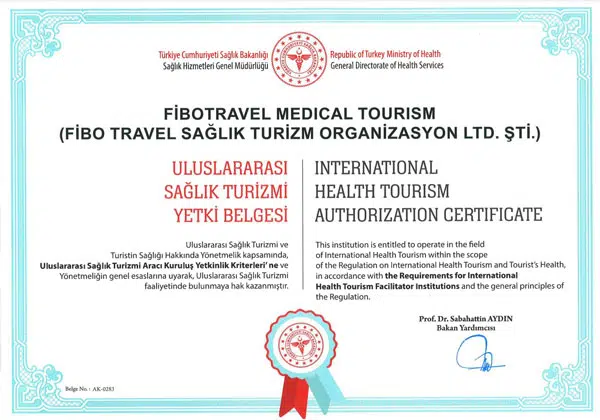
Turkey’s healthcare system is strictly regulated by the Ministry of Health, ensuring accountability, transparency, and adherence to ethical practices. Patients receive clear explanations regarding procedures, risks, and outcomes, enhancing overall safety and trust.
Collectively, these factors make shoulder replacement surgery in Turkey not only a safe choice but also one of the most reliable global medical tourism destinations.
Why Choose Turkey for Shoulder Replacement?
Turkey’s growing popularity for orthopedic procedures, especially shoulder replacement surgery, is rooted in multiple compelling reasons. International patients increasingly recognize Turkey as a superior choice for orthopedic care, supported by these key advantages:
Exceptional Quality at Lower Costs
Offering internationally competitive healthcare standards at significantly lower costs is Turkey’s hallmark. Patients benefit from receiving top-tier orthopedic treatments like reverse total shoulder replacement surgery and complex revision shoulder replacement at affordable rates, combining quality care with significant financial savings.
Renowned Orthopedic Specialists
Turkish orthopedic surgeons are internationally recognized for their expertise and specialization in advanced surgical procedures. Extensive training and global experience enable them to achieve consistently outstanding surgical outcomes, attracting patients worldwide seeking trusted, professional care.
Advanced Healthcare Infrastructure
Medical facilities in Turkey rival the best globally, featuring cutting-edge diagnostic tools, minimally invasive surgical methods, and innovative implant technologies. State-of-the-art infrastructure ensures precision, effectiveness, and patient safety across all orthopedic procedures.
Minimal Wait Times
Patients opting for shoulder replacement surgery in Turkey experience significantly shorter wait times compared to many Western countries. Faster treatment access alleviates prolonged discomfort, enhances patient satisfaction, and reduces health deterioration from delayed surgical interventions.
Comprehensive Care and Medical Tourism Experience
Turkey uniquely integrates medical care with hospitality and tourism, enhancing patient experiences beyond just medical treatment. Comprehensive care packages facilitate seamless journeys, including travel logistics, accommodation, language support, and recreational activities during recovery periods.
Excellent Patient Outcomes
Consistently positive patient reviews, high satisfaction rates, and successful surgical outcomes reinforce Turkey’s position as a leading medical destination. Patients report significant improvement in quality of life, mobility, and pain relief following shoulder replacement surgery, testifying to the effectiveness of treatments provided.
Rich Cultural and Touristic Appeal
Combining medical care with cultural exploration provides patients an enriching experience. Turkey’s historical heritage, vibrant culture, scenic landscapes, and world-renowned hospitality offer patients and families enjoyable recovery environments, contributing to holistic well-being and overall satisfaction.
In summary, the comprehensive benefits—combining medical excellence, cost-effectiveness, safety standards, and enriching patient experiences—position Turkey as a prime choice for anyone considering shoulder replacement surgery. Patients selecting Turkey receive not only advanced healthcare but also an enjoyable, rewarding medical journey.
Shoulder Replacement in Turkey Frequently Asked Questions:
Is Shoulder Replacement Surgery in Turkey Worth It?
Yes, shoulder replacement in Turkey is highly effective in relieving chronic pain, improving mobility, and enhancing quality of life for patients globally, combining affordability and world-class medical expertise.
What Is the Shoulder Replacement Surgery Recovery Time in Turkey?
Recovery time after shoulder replacement in Turkey typically ranges from 3 to 6 months, depending on the individual’s health, rehabilitation adherence, and the specific surgical method used.
Can You Go Home Right After Shoulder Replacement Surgery in Turkey?
Generally, patients undergoing shoulder replacement in Turkey remain hospitalized for 2-3 days post-surgery for monitoring, pain management, and initial rehabilitation before being discharged.
Describe Shoulder Replacement Surgery in Turkey.
Shoulder replacement in Turkey involves surgically replacing damaged joint surfaces with artificial implants, significantly alleviating pain, improving joint function, and restoring the patient’s independence and comfort.
What Are the Risks of Delaying Shoulder Replacement Surgery in Turkey?
Delaying shoulder replacement in Turkey can lead to increased joint damage, chronic pain, further reduced mobility, permanent loss of function, and longer, more complicated surgeries later.
What Is Shoulder Replacement Surgery Recovery Like for the Elderly in Turkey?
Elderly patients undergoing shoulder replacement in Turkey typically require slightly longer recovery periods, around 6 to 8 months, involving careful rehabilitation, close monitoring, and additional home assistance.
What Is the Shoulder Replacement Surgery Cost in Turkey?
The shoulder replacement surgery cost in Turkey ranges approximately between $7,000 and $12,000, considerably lower compared to the U.S. or Europe, providing substantial savings without compromising quality.
How Long Is Shoulder Replacement Surgery in Turkey?
Typically, shoulder replacement in Turkey lasts about 2 to 3 hours, depending on the complexity of the joint condition and the chosen surgical technique.
What Is the Recovery Time for Shoulder Replacement Surgery in Turkey?
Patients typically experience a full recovery within 4 to 6 months after shoulder replacement in Turkey, involving dedicated physiotherapy and adherence to postoperative instructions.
Is Reverse Shoulder Replacement in Turkey a Major Surgery?
Yes, reverse shoulder replacement is considered major surgery, widely performed in Turkey, requiring specialized surgical expertise, comprehensive recovery protocols, and careful postoperative management.
What Causes Bicep Pain After Shoulder Replacement Surgery in Turkey?
Bicep pain after shoulder replacement in Turkey can result from muscle irritation, temporary inflammation, or normal healing processes. It usually resolves with appropriate rehabilitation and physiotherapy.
What Is the Success Rate of Shoulder Replacement Surgery in Turkey?
Shoulder replacement in Turkey boasts high success rates exceeding 90%, resulting from advanced surgical techniques, expert surgeons, and thorough postoperative care and rehabilitation protocols.
How Soon Can I Drive After Shoulder Replacement Surgery in Turkey?
Most patients undergoing shoulder replacement in Turkey can resume driving safely within 4 to 6 weeks post-surgery, depending on their healing progress, shoulder mobility, and comfort levels.